Setting and Infrastructure (SI)
Table of contents
Conservation: plant, animal, and wildlife, genetic resources for food and agriculture secured in either medium or long-term conservation facilities
Plant Genetic Conservation Project at Chom Thong Campus
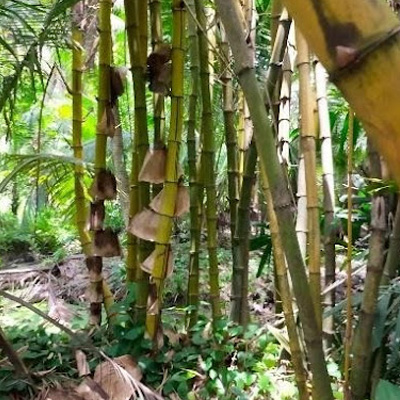
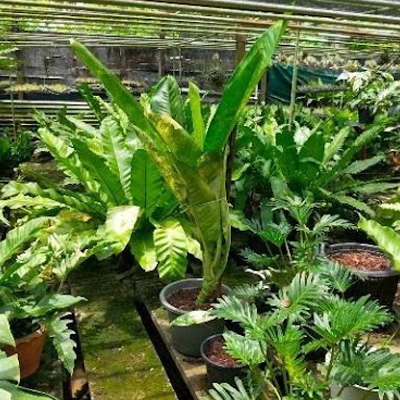
At RMUTP’s Chom Thong Campus, a dedicated learning and research center has been developed to support the Plant Genetic Conservation Project under the royal initiative inspired by Her Royal Highness Princess Maha Chakri Sirindhorn. The center serves as a platform for biodiversity conservation, applied research, and community learning, with key functions including:
- Long-term conservation of native and culturally significant plant species
- Research, propagation, and utilization of local edible and medicinal plants
- Educational outreach and community training on sustainable agriculture and plant conservation practices
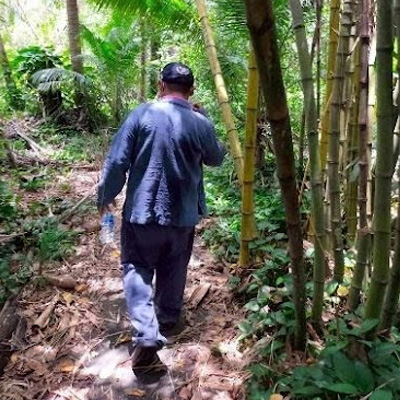
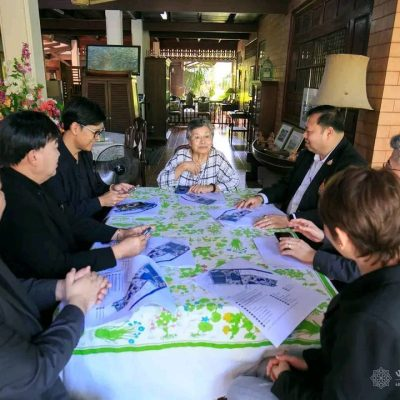
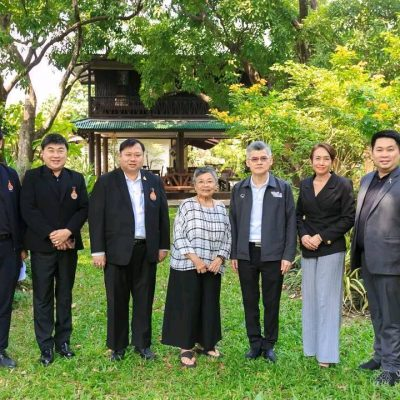
On 12 February 2026, Dr. Nattaworaphon Ratchasiriwatcharabul, Acting President of RMUTP, together with the university executive team, visited Ms. Panadda Suwannanon, the land donor of the Chom Thong Campus area, to present the progress and development direction of the campus as a green conservation area. The visit reflected the university’s continued commitment to developing the Chom Thong Campus as a long-term site for plant genetic conservation, environmental education, research, and community-based learning.
The conservation program focuses on the preservation, propagation, and utilization of native and locally significant plant species. Priority species include Bang Mot orange, Bang Khun Thian lychee, medicinal plants, bamboo species, and other local plants with ecological, cultural, agricultural, and food-related value. These species are important genetic resources for food and agriculture and represent the local biodiversity of the Bang Mot and Bang Khun Thian areas.
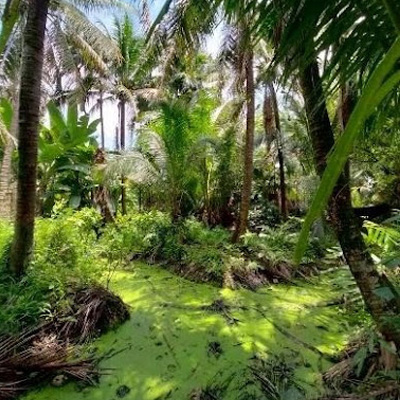
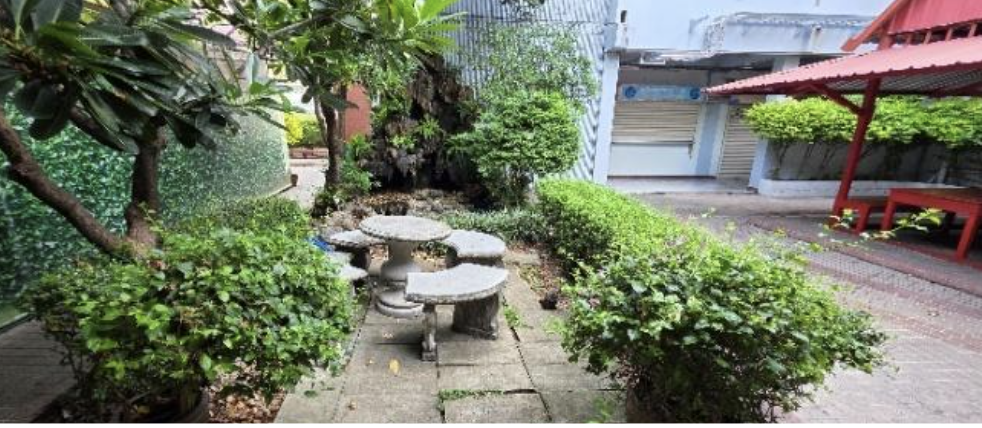
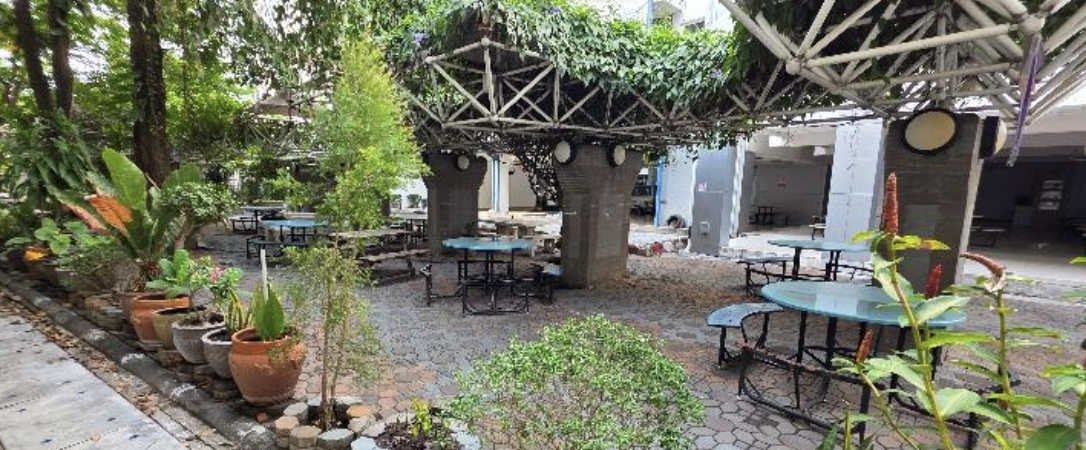
The program has progressed beyond the planning stage. RMUTP has already designated the Chom Thong Campus as a conservation and green learning area, identified priority plant species for conservation, coordinated the implementation through the university’s Plant Genetic Conservation Project coordination mechanism, and developed the area as a natural learning space. The campus area is being used to support plant conservation, research, educational activities, and community engagement related to sustainable agriculture and biodiversity preservation.
In addition, RMUTP has developed the concept of the Chom Thong Campus as a natural conservation tourism and recreation area along Bang Mot Canal. The development includes green areas, plant conservation zones, a medicinal plant garden, bamboo conservation areas, and supporting facilities such as a canal-side coffee shop to promote eco-learning, nature-based recreation, and public awareness of local plant genetic resources.

Agriculture Shares Its Heart to Develop Society
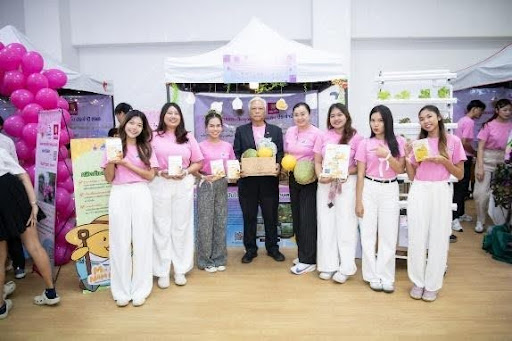
Rajamangala University of Technology Phra Nakhon (RMUTP) promotes the conservation and sustainable utilization of plant genetic resources for food and agriculture through community-based learning, research, innovation, and student engagement. One example is the project “Agriculture Shares Its Heart to Develop Society”, implemented by RMUTP students in collaboration with an urban agricultural community and supported by the Government Savings Bank under the GSB Youth Local Development Program 2025.
The project focused on the sustainable use of local agricultural resources produced through smart farming systems in small urban areas. The main agricultural resources included Khai Thong Kham melon, kale, and khai pham or watermeal, which are recognized as nutritious food resources. RMUTP students integrated knowledge from business administration, home economics, food science, architecture, and design to develop value-added food products from these agricultural resources. The resulting products included instant melon drink powder, melon soup powder, and semi-instant melon pancake mix. These products were also supported by nutrition analysis and product development processes.
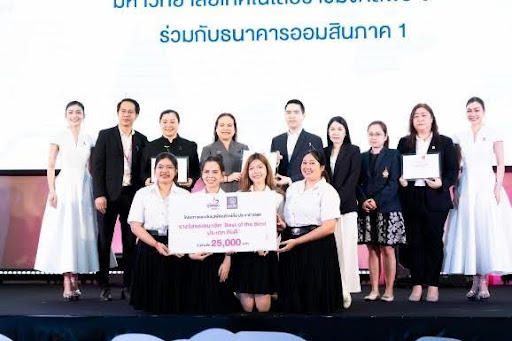
In addition to product development, RMUTP provided community training in content marketing, storytelling, live-selling techniques, cost calculation, accounting, and the use of digital platforms. The project strengthened the community’s capacity to conserve, utilize, and add value to agricultural resources in a sustainable manner. As a result, the community’s income increased by 53%, demonstrating clear implementation outcomes and measurable community impact. The project also received the First Runner-up Award in the Best of the Best category at the national level on 26 November 2025, reflecting its successful implementation and contribution to sustainable community development.
Sustainable Utilization of Palmyra Palm Syrup through Butterscotch Sauce Product Development
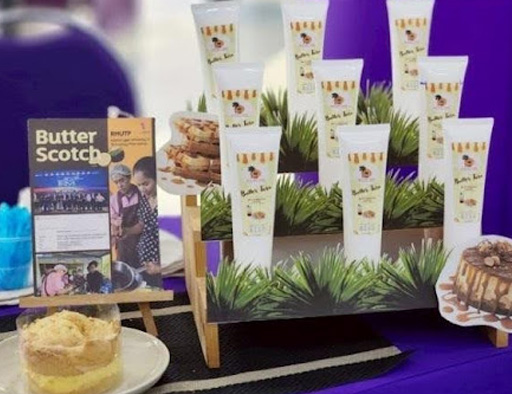
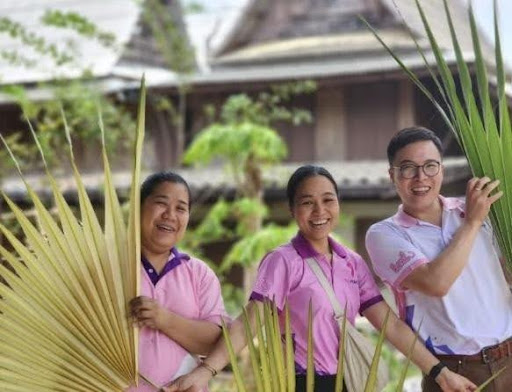
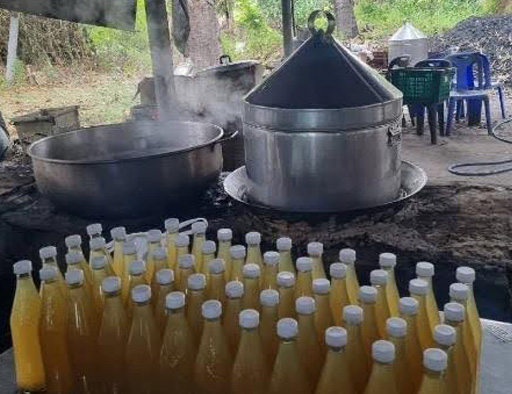
Rajamangala University of Technology Phra Nakhon (RMUTP) promotes the sustainable utilization of local plant genetic resources for food, agriculture, and community-based economic development. One significant example is the research project on butterscotch sauce made from palmyra palm syrup, conducted by Asst. Prof. Dr. Nanon Daengsangwan from the Faculty of Home Economics Technology. The project was developed in collaboration with the Ban Rai Sathon Thamrong community-based tourism enterprise in Phetchaburi Province, where local livelihoods, food culture, and tourism activities are closely connected with the palmyra palm.
The project aimed to increase the value of local agricultural products and promote the continued use of palmyra palm syrup as a distinctive local food resource. RMUTP researchers developed a new product, butterscotch sauce from palmyra palm syrup, designed to preserve the unique aroma and flavor of palmyra palm while making it more convenient and attractive for modern consumers and food tourism markets. The product can be used with beverages, desserts, ice cream, cakes, bread, and pudding.
The research process included product formulation, quality evaluation, consumer acceptance testing, and nutritional analysis. The formulation study tested palmyra palm syrup at four levels: 0%, 25%, 50%, and 100%. The final product had total soluble solids of 67–75 °Brix, viscosity of 12,000–21,000 cPs, and a 3-second flow distance of 8–10 cm. Consumer acceptance was also assessed with tourists and food-tourism consumers, and 93.50% of respondents agreed that the product could be developed as a community tourism souvenir.
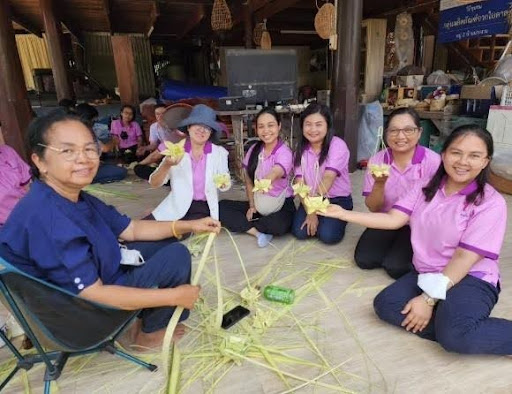
The project has moved beyond laboratory research and has already been transferred to the community. RMUTP conducted technology transfer training for 8 participants, including community tourism operators, café entrepreneurs, tourism activity providers, and local participants. The participants reported 100% satisfaction with the training activity. The project also demonstrated economic value creation by increasing the value of palmyra palm sugar from 240 baht per kilogram to 490 baht per kilogram of sauce. In addition, the research team has filed for petty patent protection, indicating readiness for further commercialization and community-level production.
Innovative Thai Khanom Buang Product Development for Makro HoReCa Start Up Pitching Challenge 2025
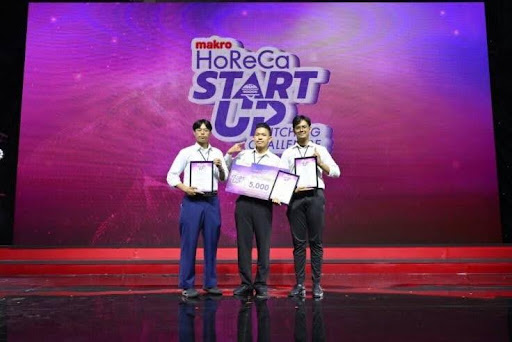
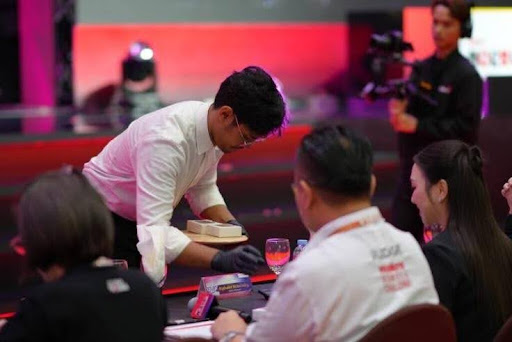
Students from the Food and Nutrition Program, Faculty of Home Economics Technology, Rajamangala University of Technology Phra Nakhon (RMUTP) received an Honorable Mention Award at the Makro HoReCa Start Up Pitching Challenge 2025, held at IMPACT Muang Thong Thani during 30 October–2 November 2025. The student team consisted of Mr. Thammalak Sukanchanapornkul, Mr. Phumrapee Inchurant, and Mr. Naphat Muangprasert, under the supervision of Assoc. Prof. Jetanipat Bunyasawasdi.
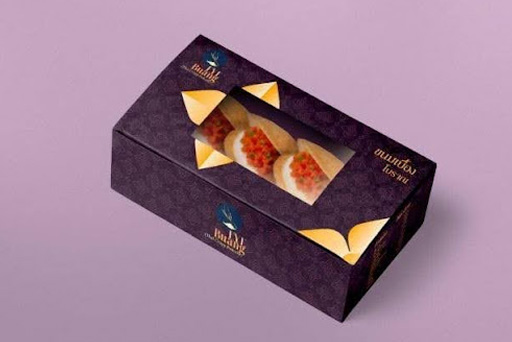
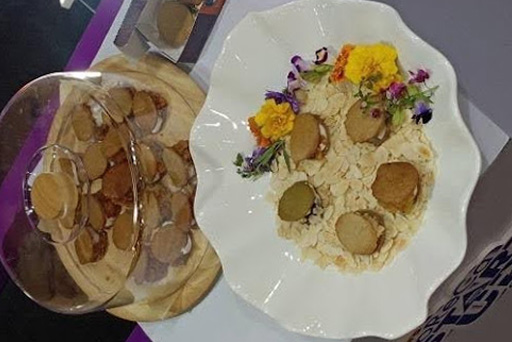
The team developed fusion Thai crispy pancakes, or Khanom Buang, as an innovative food product that aimed to elevate a traditional Thai dessert and make it more attractive to younger generations. The product combined traditional Thai dessert knowledge with international bakery techniques, while expanding the range of fillings to include tom yum shrimp, pandan, candied coconut, and orange cocoa crumble.
This activity demonstrates RMUTP’s approach to preserving and sustainably utilizing local food-related resources through education, innovation, and student-led product development. The project applied knowledge from several courses, including Traditional Thai Desserts, Basic Bakery, Modern Business in Home Economics, Food Biochemistry, and Snack Foods. Through this integrated learning process, students transformed local and culturally significant food ingredients into contemporary products while maintaining the identity of Thai culinary heritage.