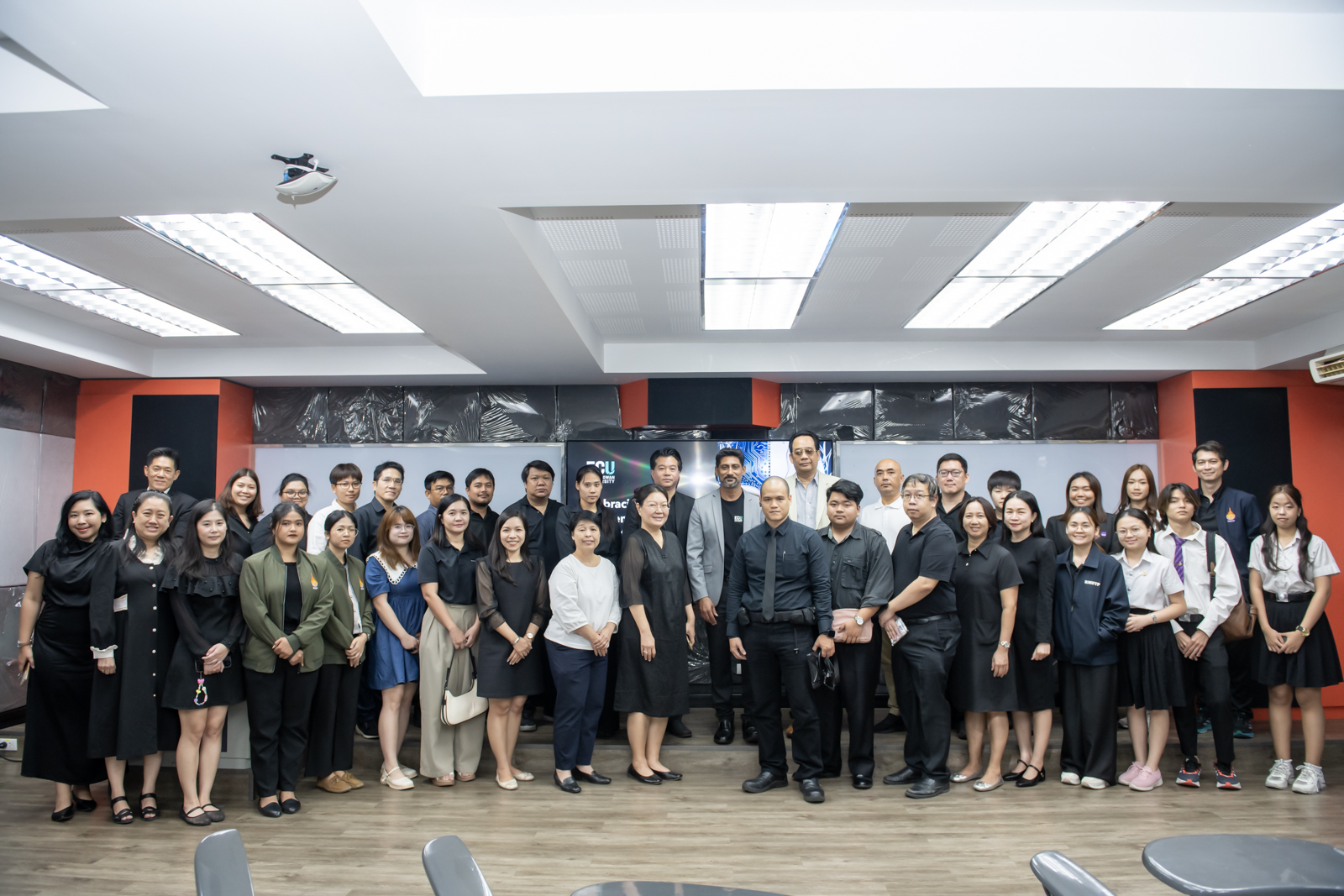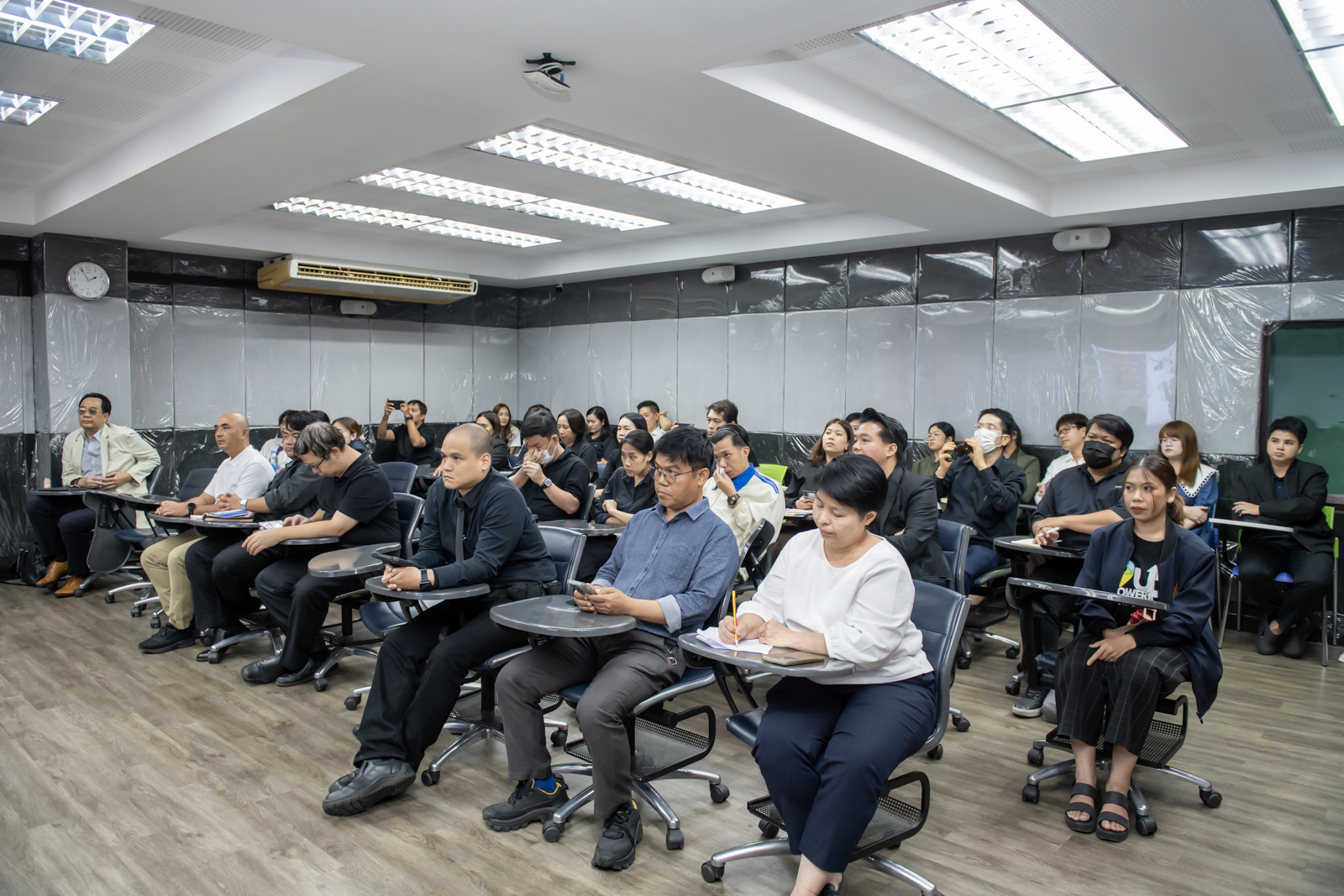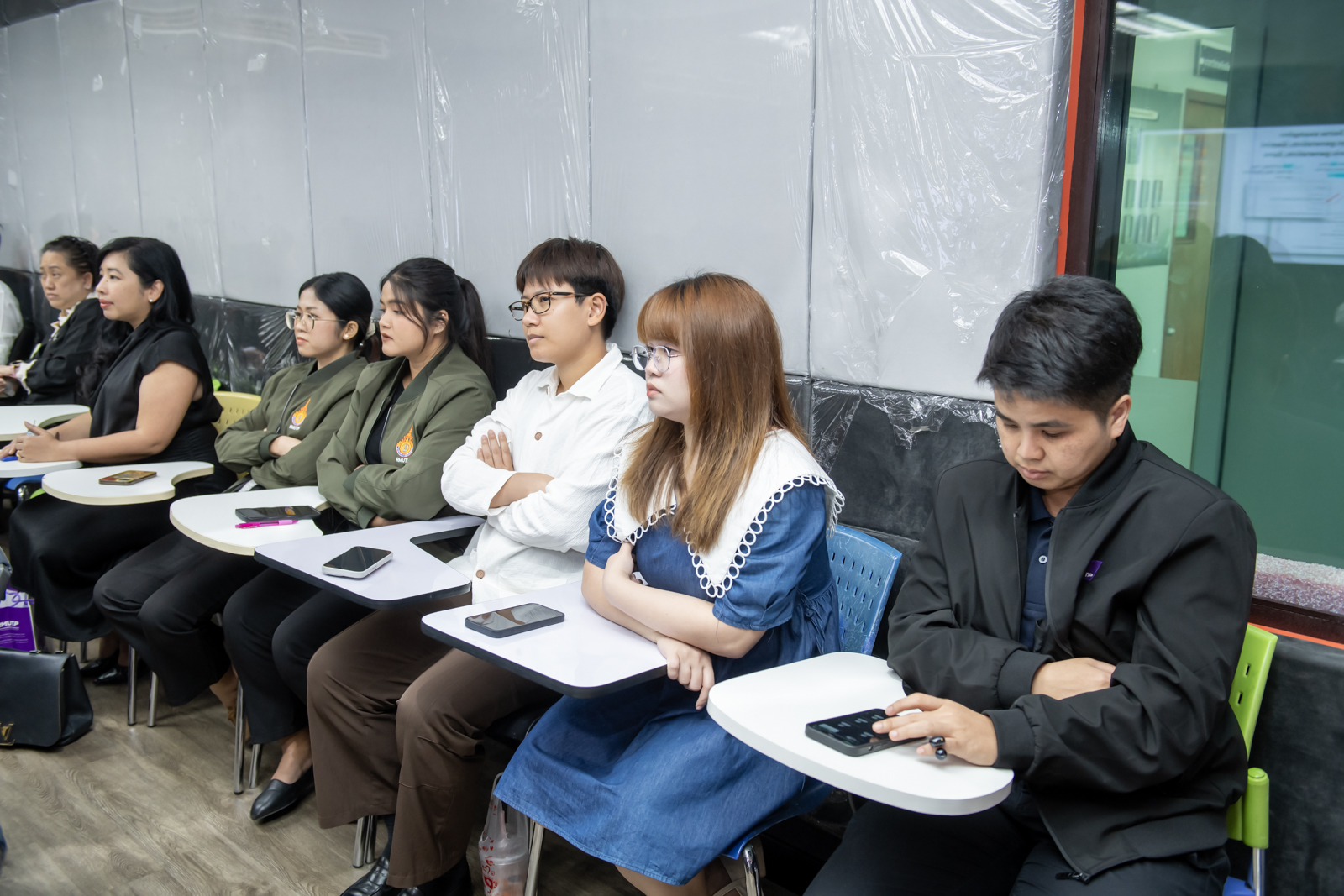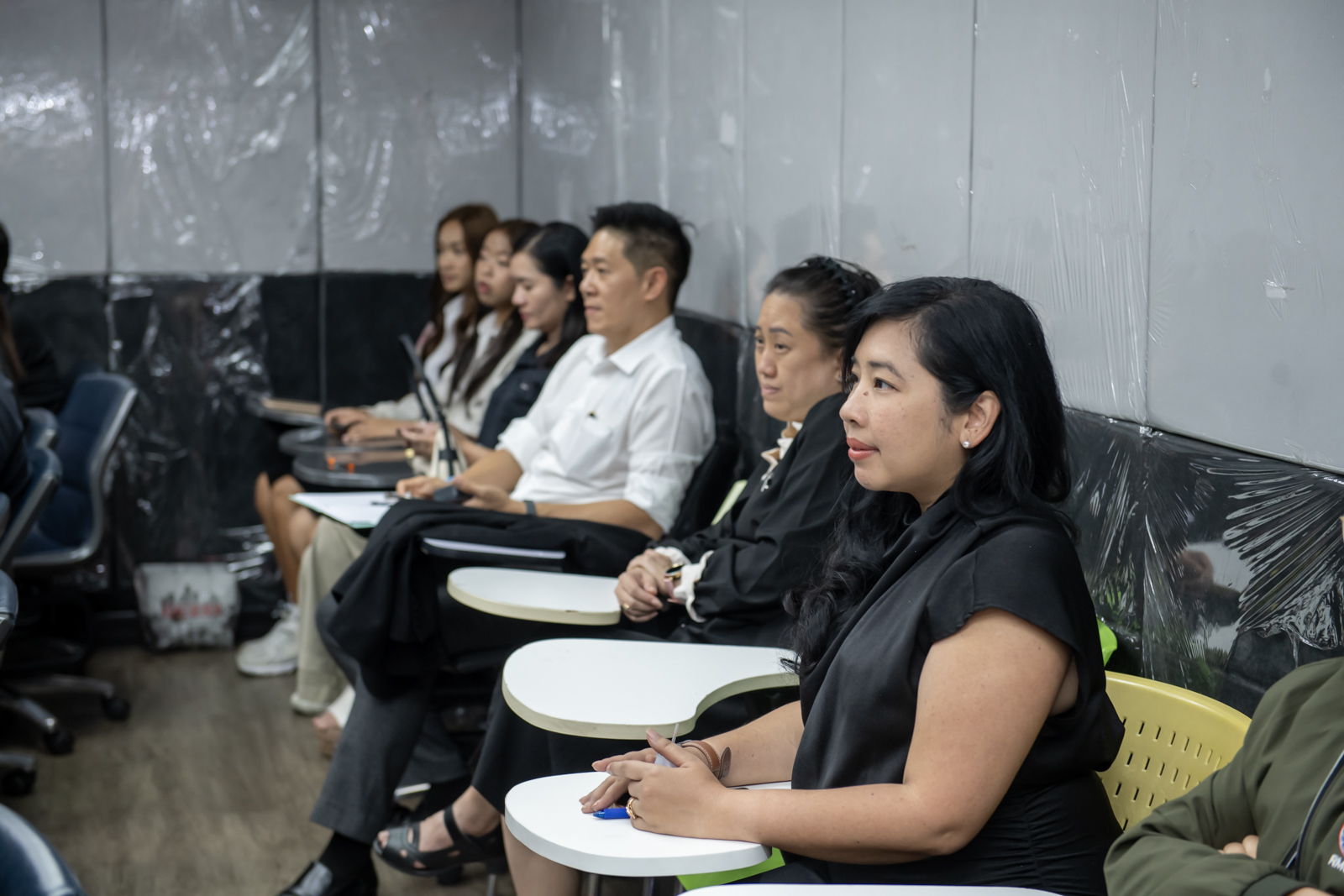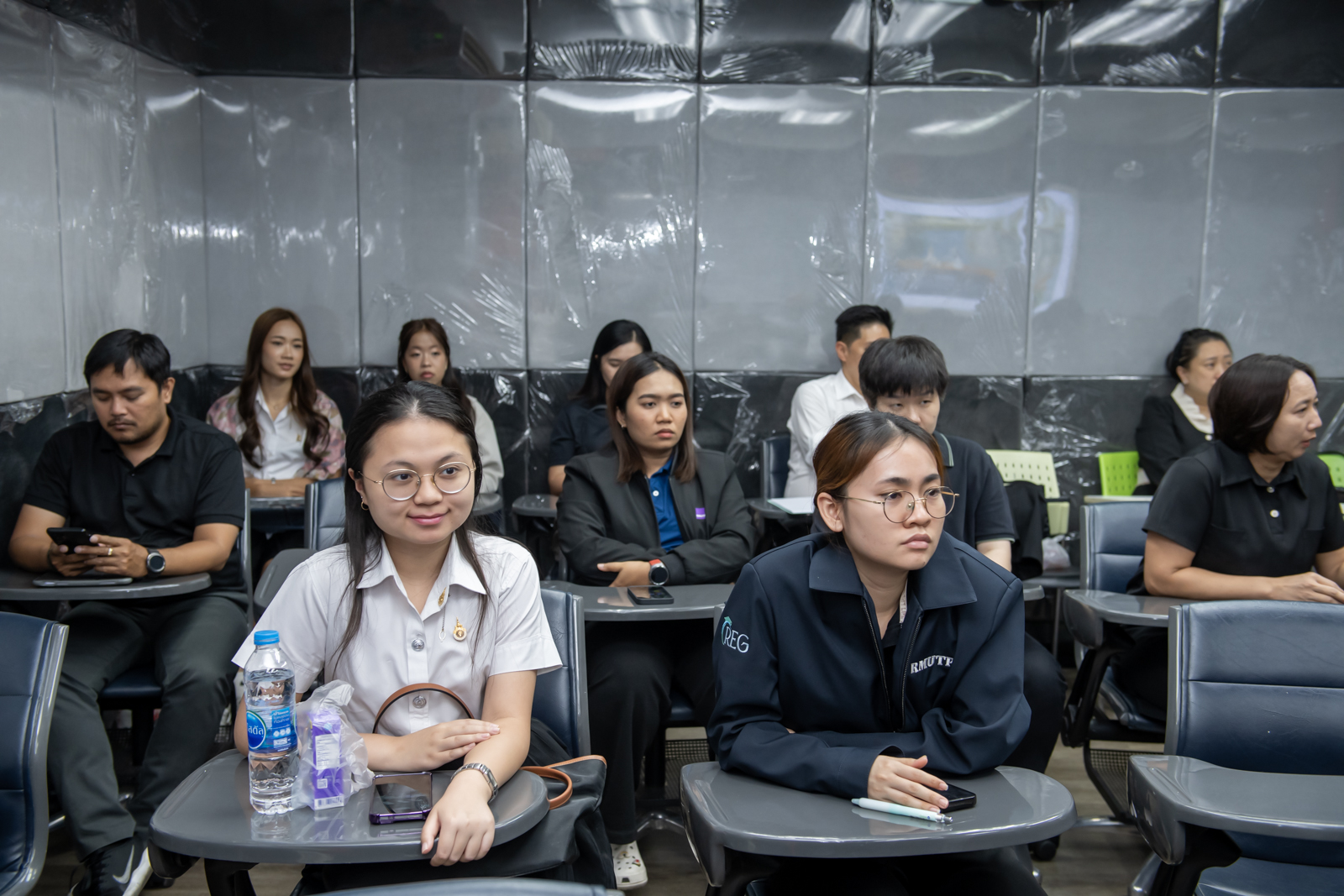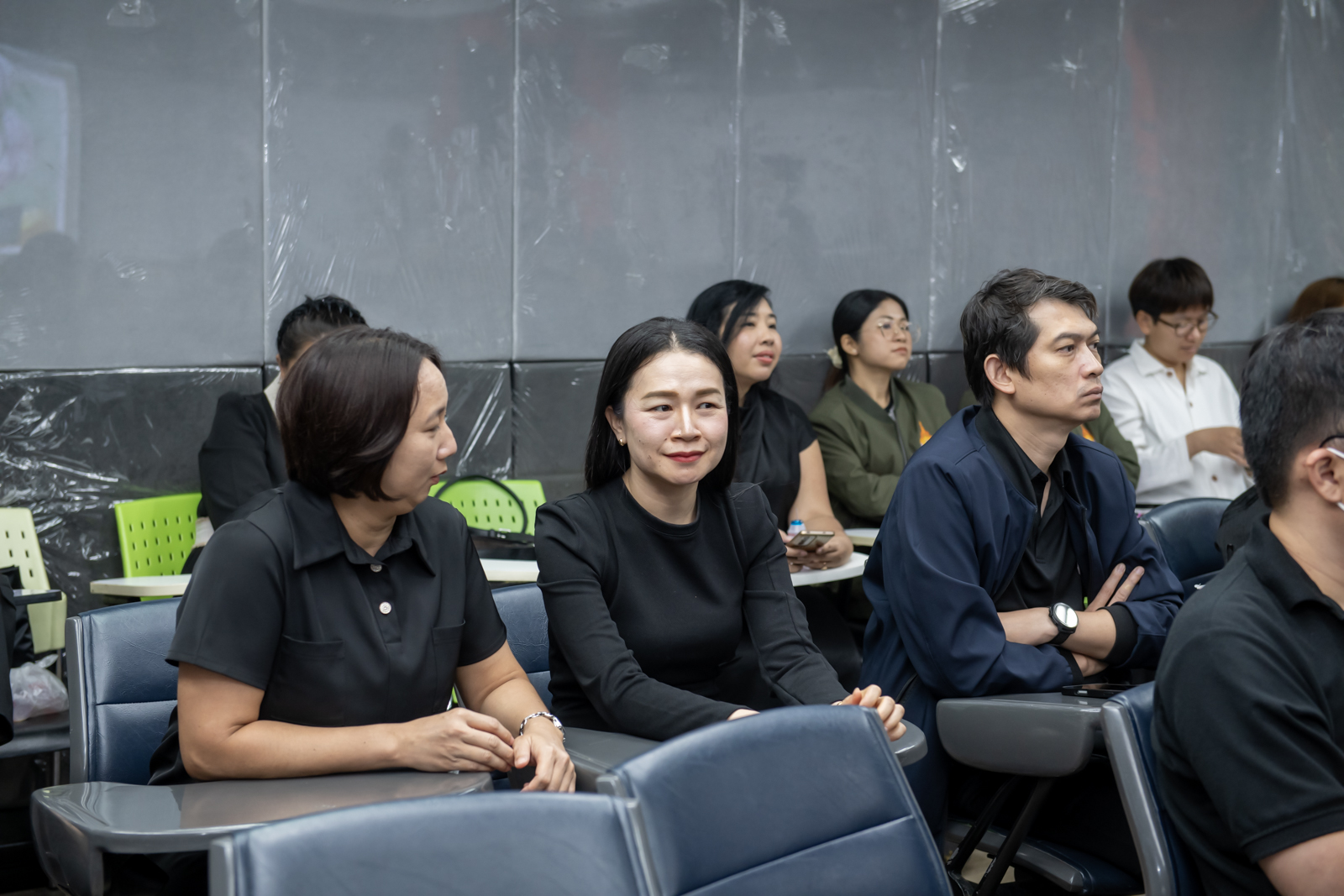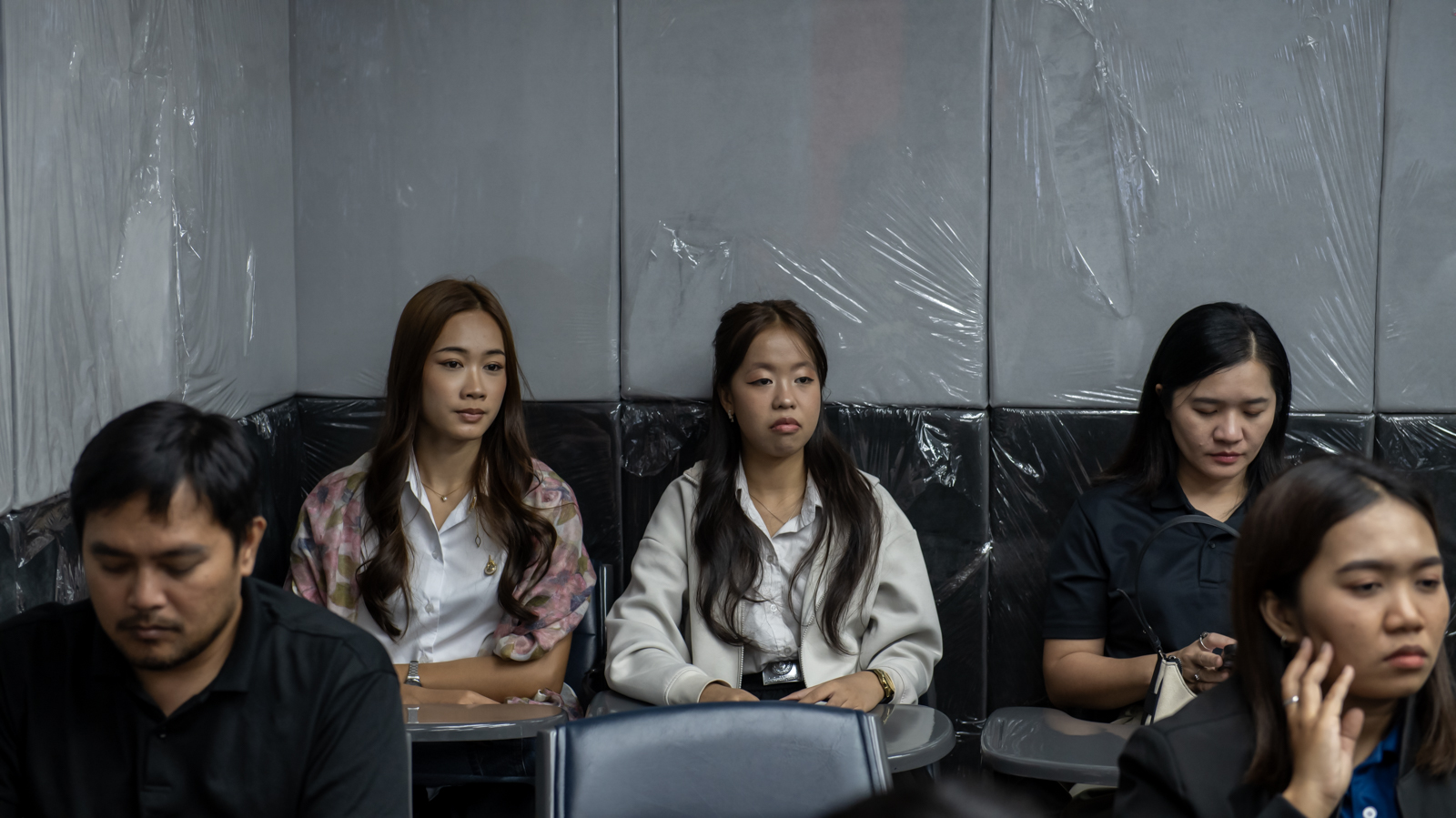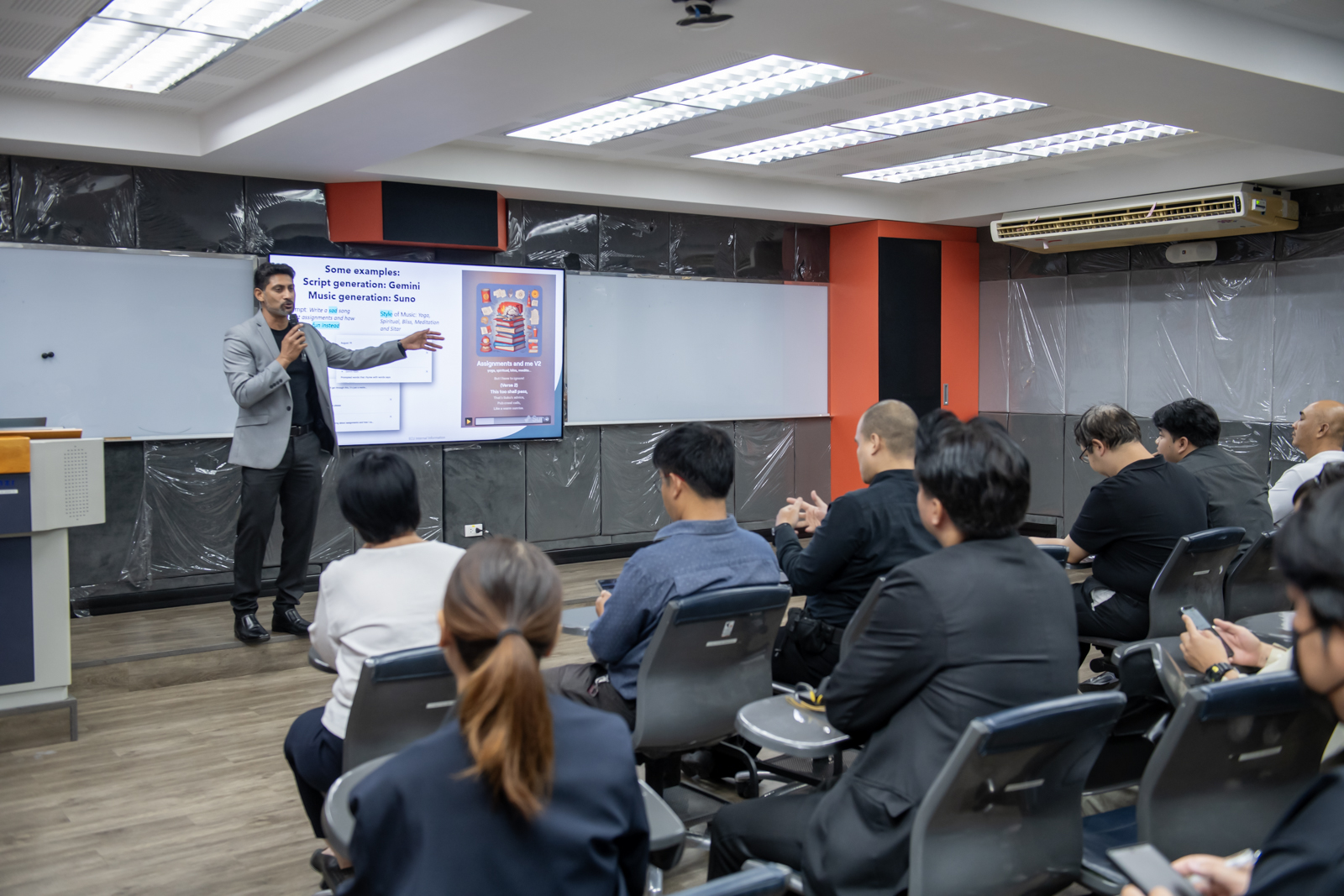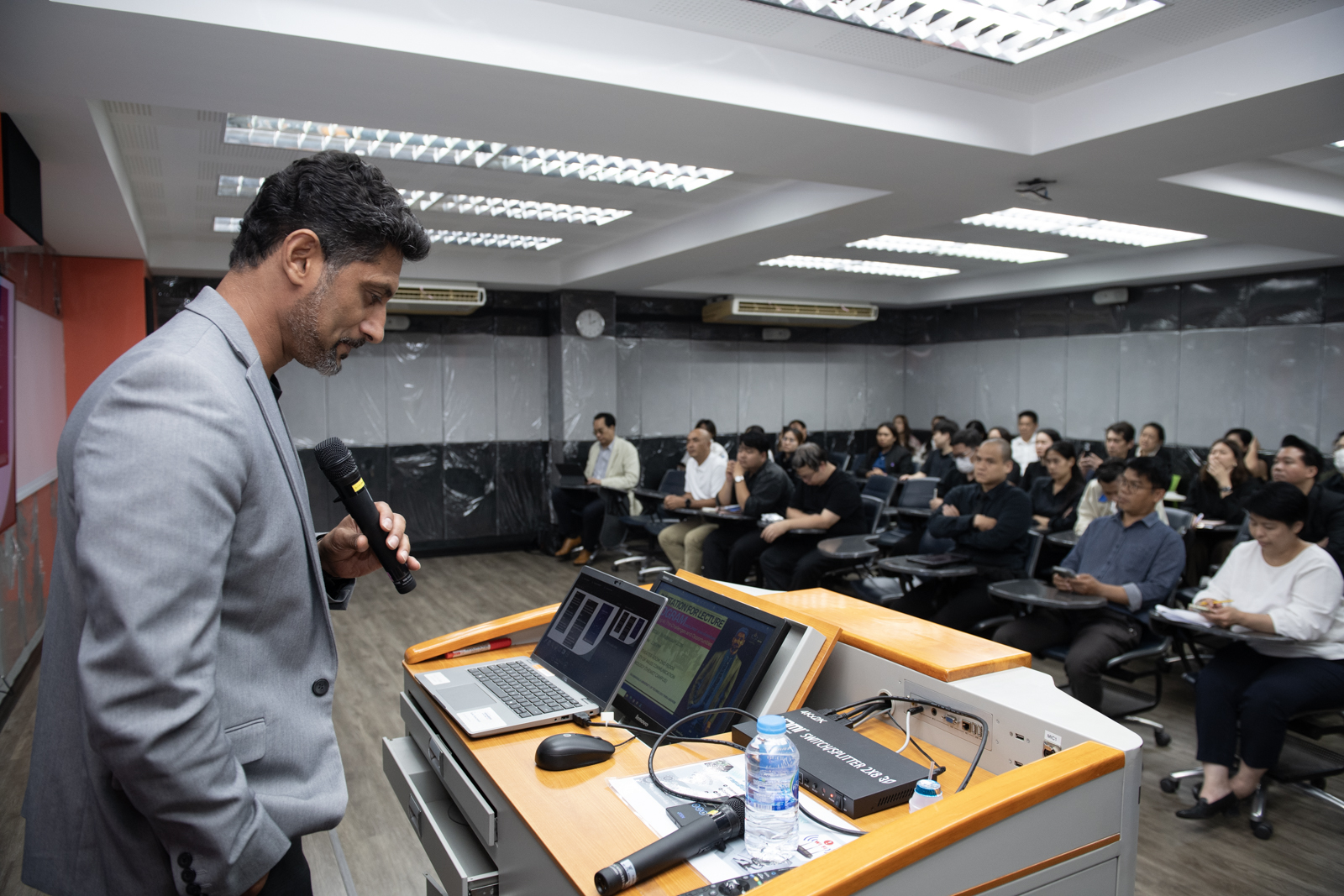
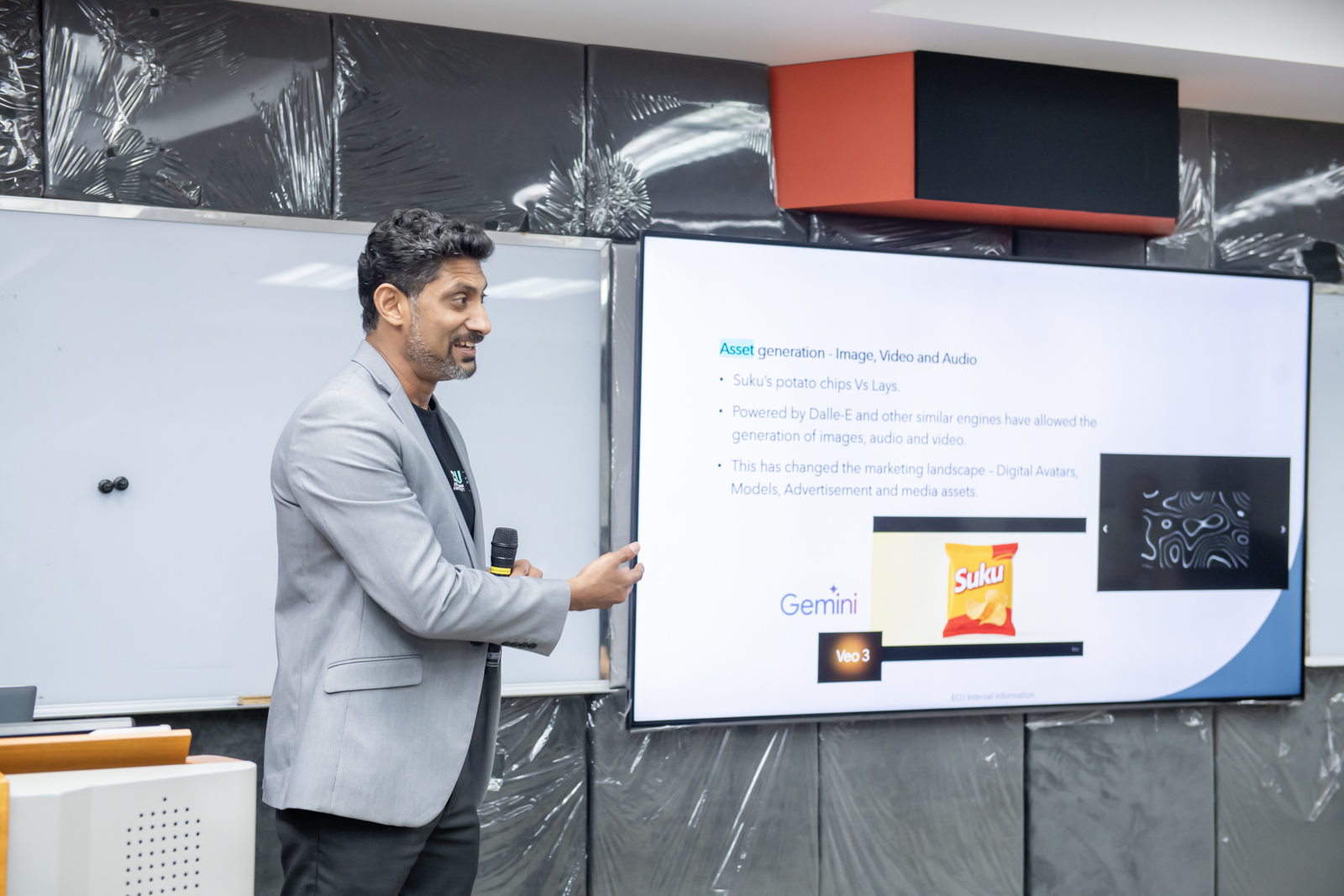
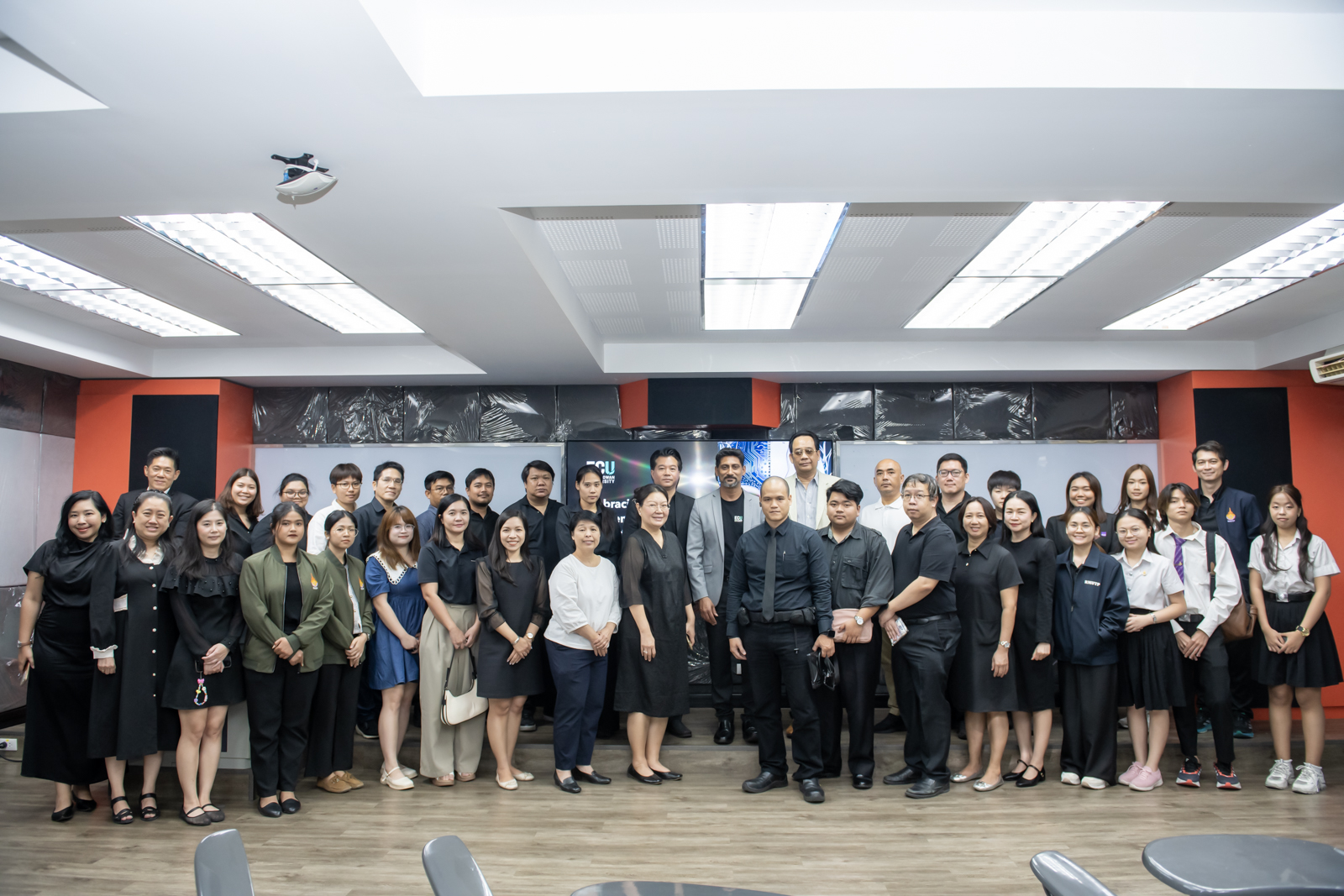
BANGKOK – Rajamangala University of Technology Phra Nakhon (RMUTP) recently organized a special lecture titled “Embracing AI: The Challenges and Opportunities.” The event featured Assoc. Prof. Suku Sukunesan, Associate Dean of Strategic Partnerships at Edith Cowan University (ECU), Australia, as the keynote speaker. The session, attended by faculty members, staff, and students, was held on February 19, 2026, at the Mini-Theater, Faculty of Mass Communication Technology, RMUTP (Thewet Center).
During the lecture, Assoc. Prof. Sukunesan emphasized that a “Digital Mindset” is crucial in the modern era. He defined it as the ability to understand workflows and deconstruct tasks into smaller components to effectively apply AI tools at each stage. Furthermore, he noted that Prompt Engineering is emerging as a fundamental skill—comparable to the importance of coding in previous decades.
Regarding education, Assoc. Prof. Sukunesan highlighted that traditional assessment methods focusing on “Artifacts”—such as written reports or presentations—are becoming obsolete, as AI can generate these outputs almost instantaneously. He urged universities to pivot toward evaluating the learning process and critical thinking instead.
He recommended adopting Constructivist Pedagogy, which empowers students to direct their own learning journeys by questioning and interacting with AI. He also advocated for the design of “AI-resilient units”—curricula that encourage the ethical and effective use of AI to meet the rising demands of industries seeking AI-literate graduates.
To showcase AI’s current capabilities, Assoc. Prof. Sukunesan demonstrated the creation of animated advertising videos in seconds and used the Suno application to compose music instantly.
For faculty members, he introduced Retrieval-Augmented Generation (RAG), also known as Grounded AI. This technology limits AI to retrieving information only from specified databases or documents, significantly reducing the risk of “Hallucinations” (false information) and ensuring higher accuracy in educational applications. However, he concluded with a cautionary note on the challenges of AI, including copyright issues, Intellectual Property (IP) leaks, and inherent data bias. His final advice to the audience was to “embrace and experiment with various AI tools through a hands-on, trial-and-error approach to ensure timely learning and adaptation.”