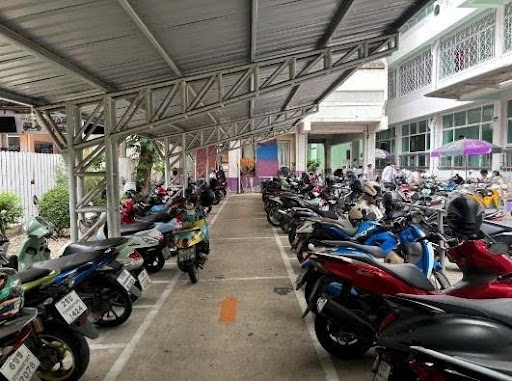
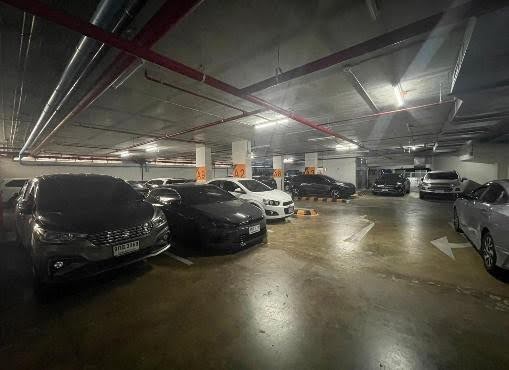
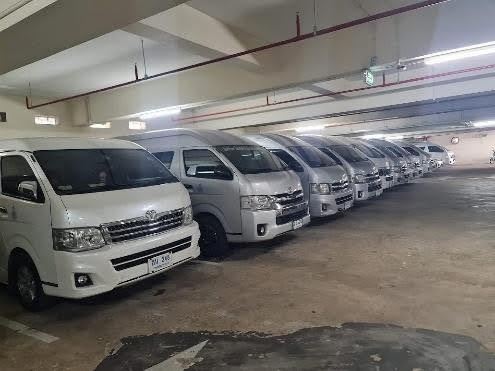
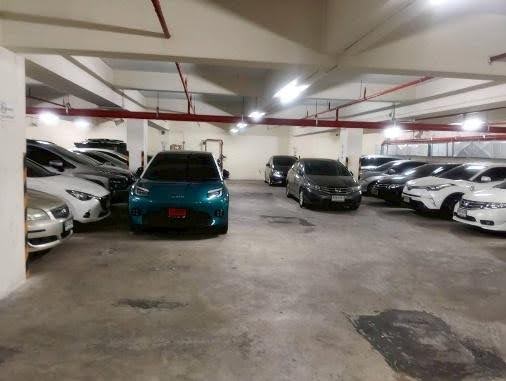
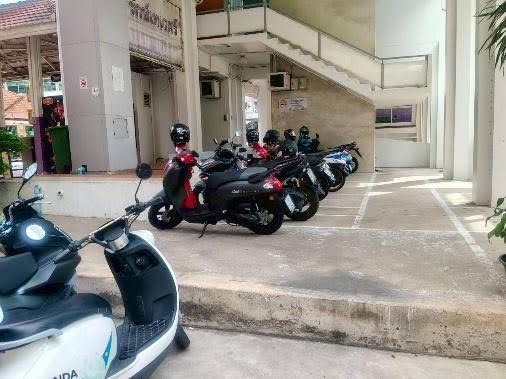
The total number of vehicles (cars and motorcycles) divided by total campus population
No.
Vehicle
Total Number
1
Car managed by the university
42
2
Cars entering the university
680
3
Motorcycles entering the university
1305
Total
2,027
Classification
Population (person)
Regular students
10856
Academic and administrative staff
1,144
Total
12,000
Description:
The total number of vehicles (cars and motorcycles) divided by total campus population = 2,027 / 12,009 = 0.16
Shuttle services
Description:
Rajamangala University of Technology Phra Nakhon (RMUTP) does not operate an internal shuttle service because our campuses are compact in layout and strategically located within central Bangkok. Buildings, academic facilities, administrative offices, student service areas, and common spaces are generally within short walking distance, allowing students, staff, and visitors to move conveniently across campus on foot.
In addition, RMUTP campuses are well connected to Bangkok’s public transportation network, including public buses, BTS, MRT, rail services, taxis, motorcycle taxis, and other local transit options. This accessibility enables students, academic staff, administrative personnel, and visitors to travel to and from the university conveniently without the need for a university-operated shuttle system.
Zero Emission Vehicles (ZEV) Policy on Campus
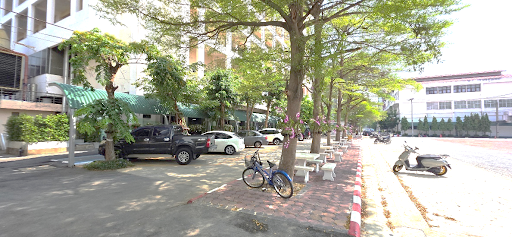
Personal bicycles
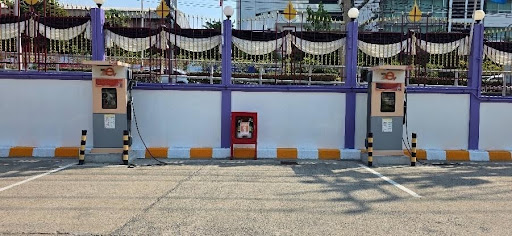
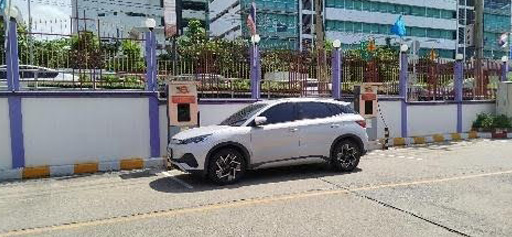
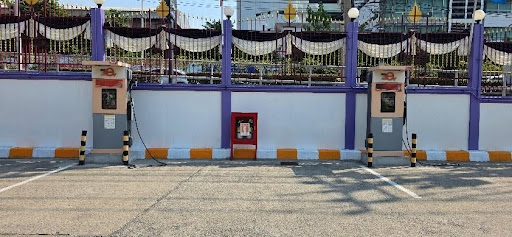
EV Charger Station
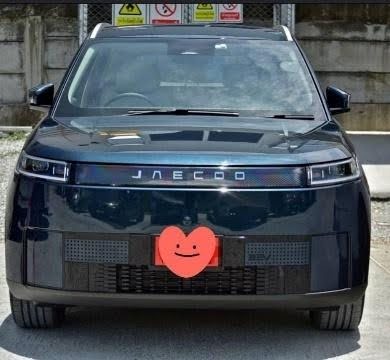
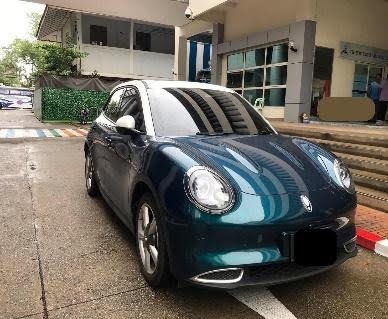
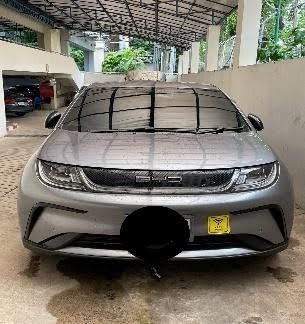
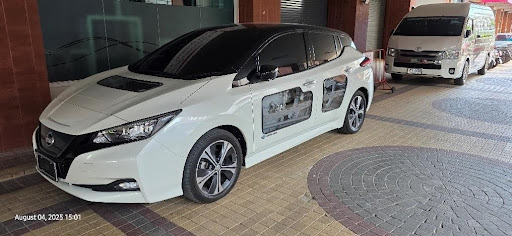
Personal electric car
Description:
Rajamangala University of Technology Phra Nakhon (RMUTP) is committed to promoting environmentally friendly transportation through the implementation of a Zero-Emission Vehicle (ZEV) policy. This initiative supports the university’s sustainability goals by reducing the use of fossil fuel-based vehicles, lowering greenhouse gas emissions, improving air quality, and encouraging low-carbon mobility within and around campus areas.
Promotion of Non-Motorized Transportation
RMUTP encourages students, staff, and visitors to use non-motorized modes of transportation, particularly bicycles, as a clean, healthy, and low-impact mobility option. This approach helps reduce traffic congestion, energy consumption, and emissions from conventional vehicles.
Key support facilities include:
Support for Electric Vehicles
RMUTP recognizes the importance of transitioning from conventional fuel-based vehicles to cleaner transportation options. To support this transition, the university provides infrastructure for electric vehicles and encourages the use of low-emission and zero-emission mobility.
EV Charging Stations: Electric vehicle charging points are installed in accessible campus areas to support EV users and promote the adoption of clean energy vehicles.
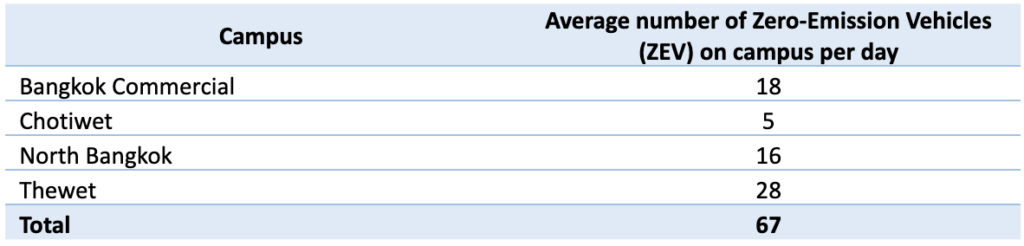
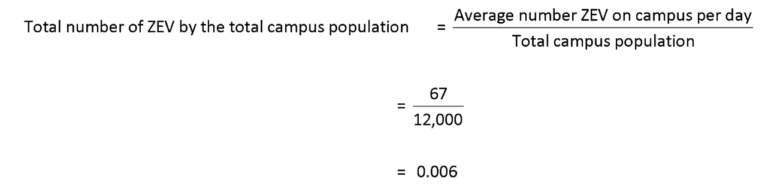
The total number of Zero-Emission Vehicles (ZEV) divided by the total campus population (TR.4)
Description:
The total number of Zero-Emission Vehicles (ZEV) divided by the total campus population : 0.006
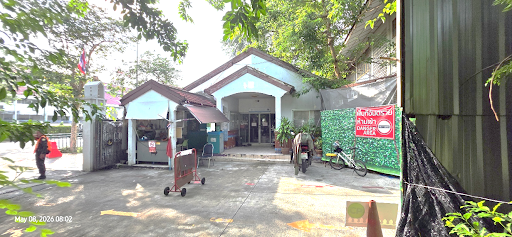
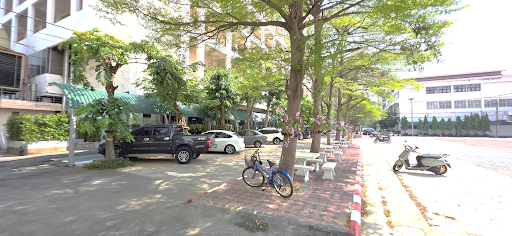
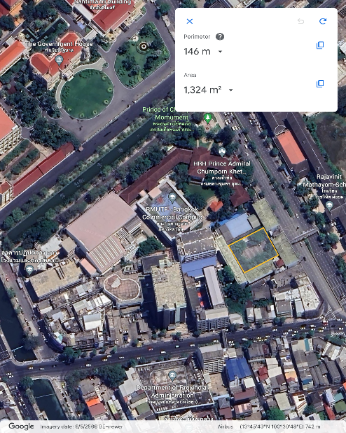
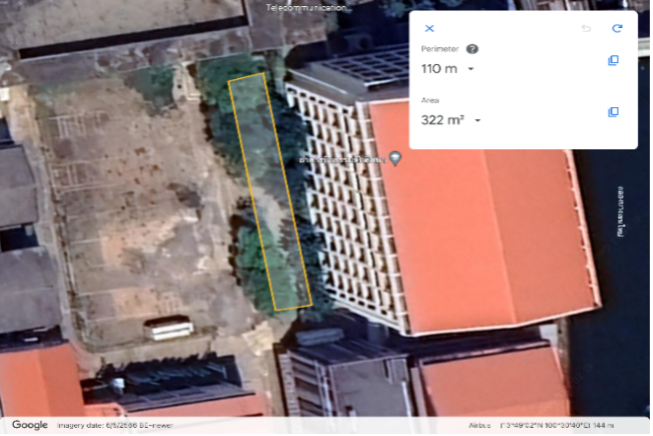
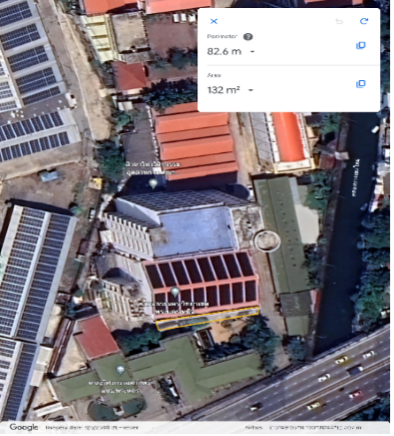
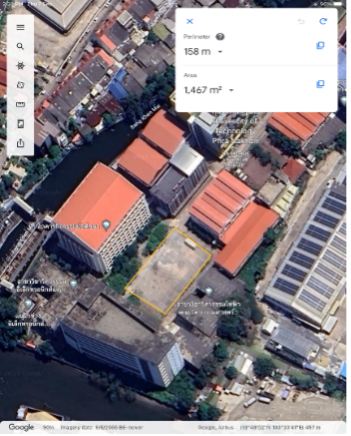
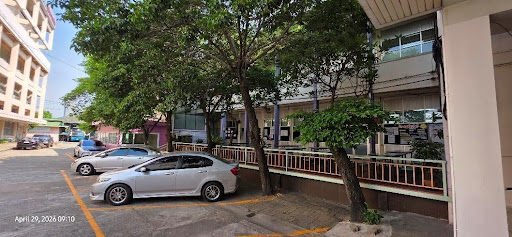
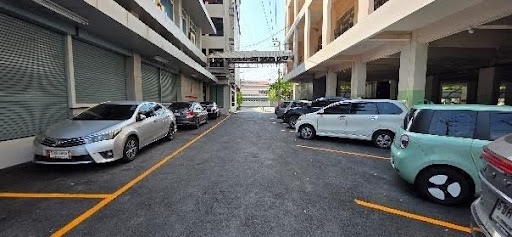
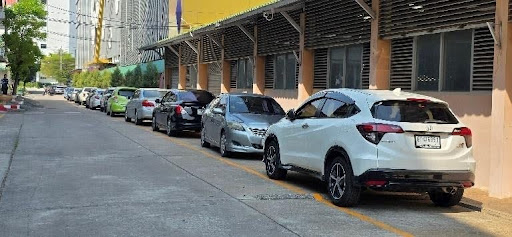
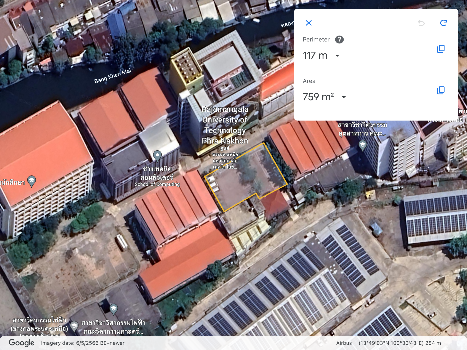
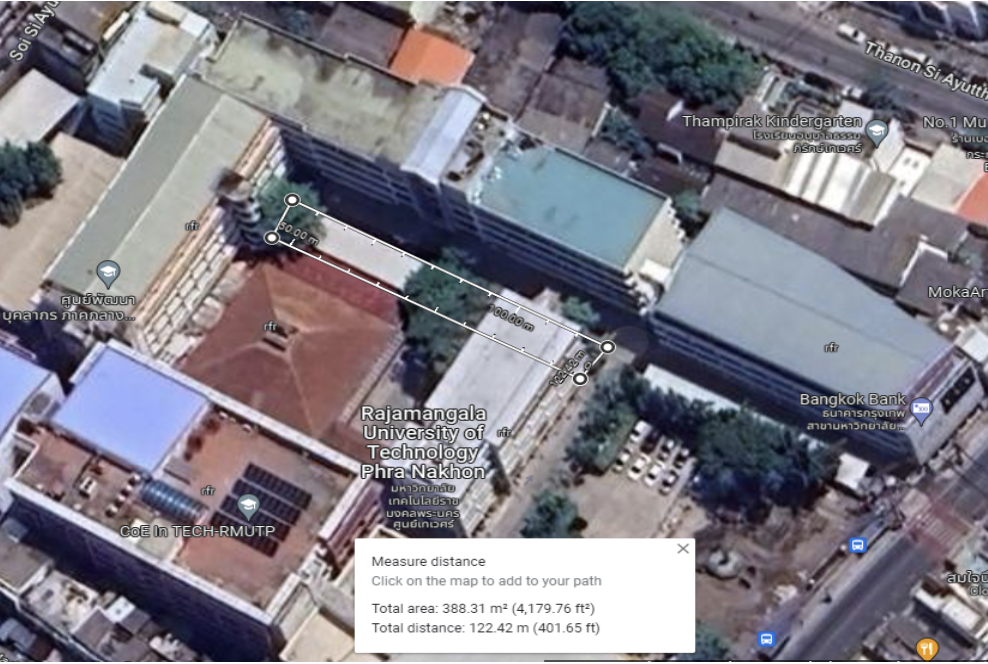
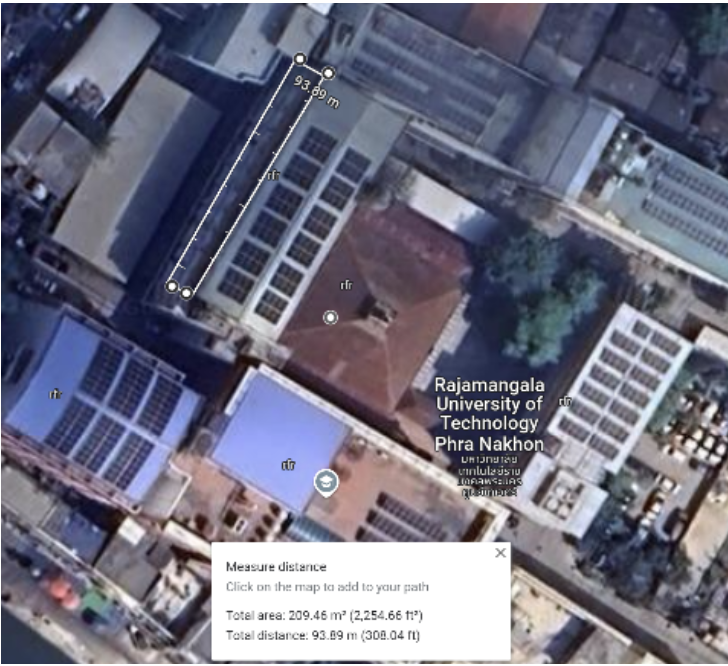
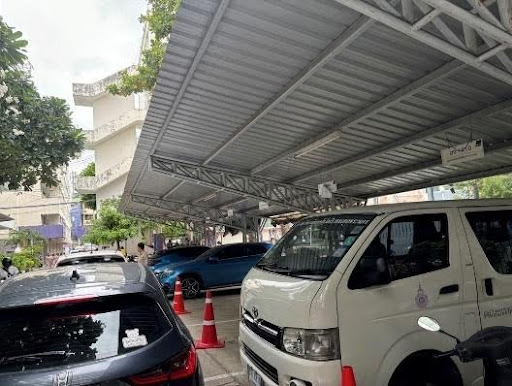
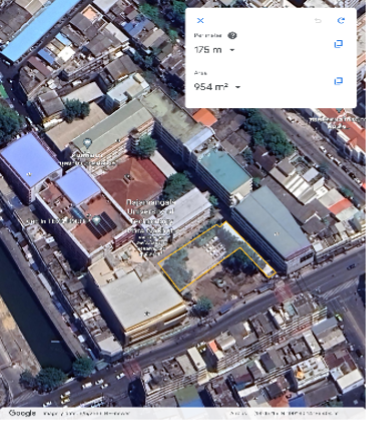
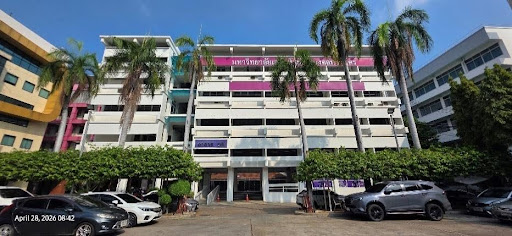
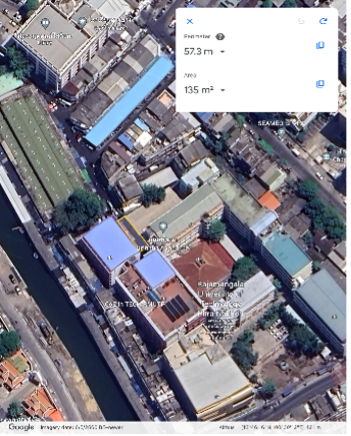
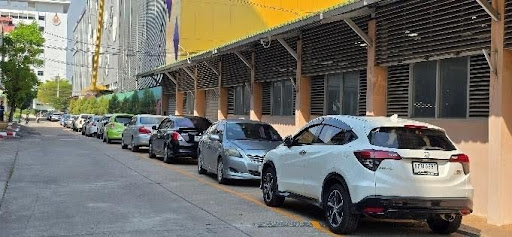
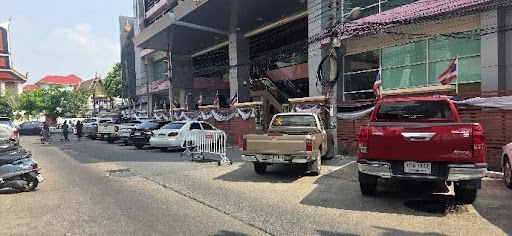
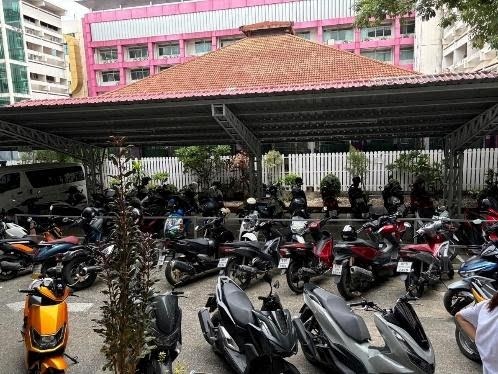
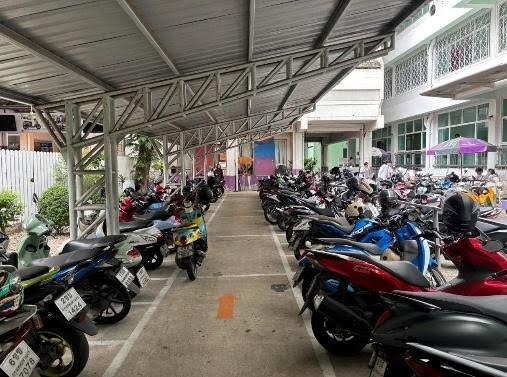
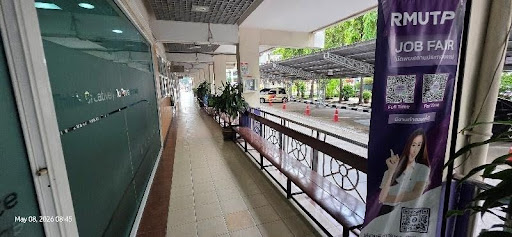
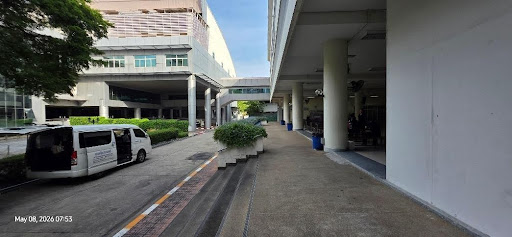
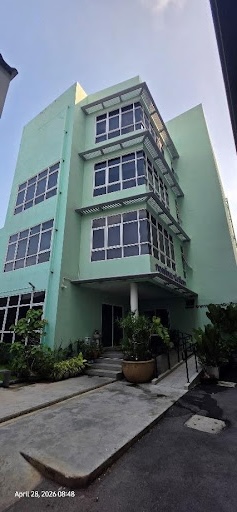
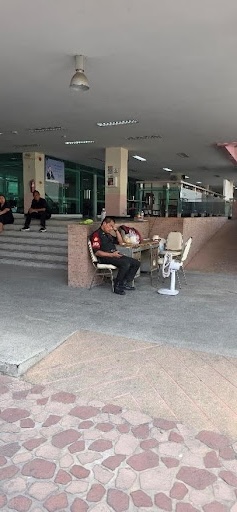
The ratio of the ground parking area to total campus area
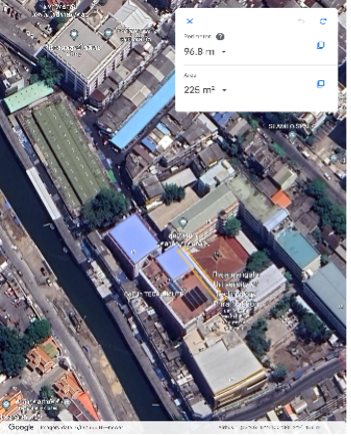
Bangkok Commercial Campus
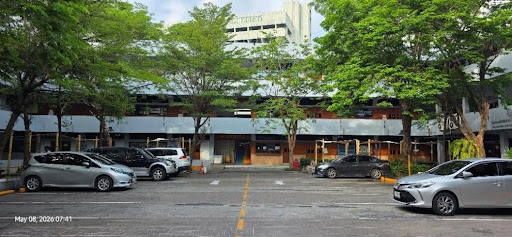
Ground parking for faculty of business administration
Ground parking area for faculty of Liberal Arts
North Bangkok Campus
Ground parking area for faculty of engineering
Parking area for faculty of science and technology
Thewet Campus
Ground parking for faculty of mass communication technology
Ground parking for department of administration
Ground parking for faculty of industrial education
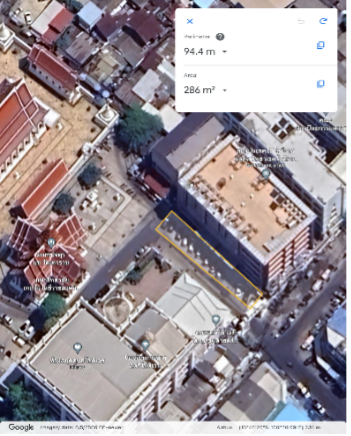
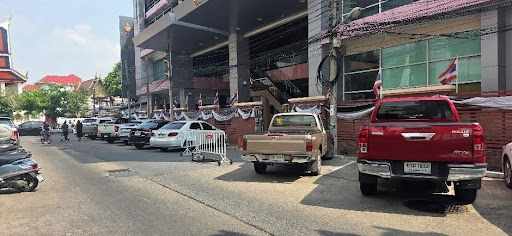
Chotiwet Campus
Ground parking for faculty of home economics technology
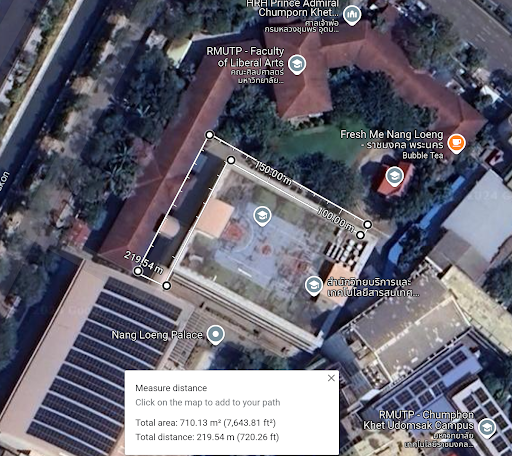
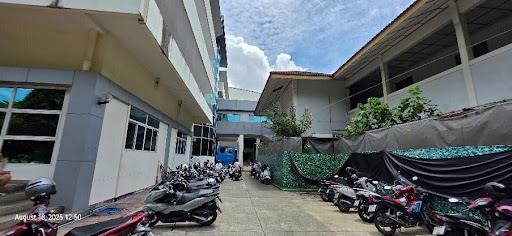
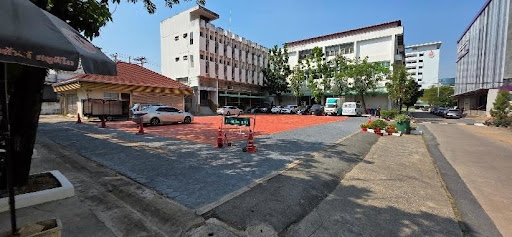
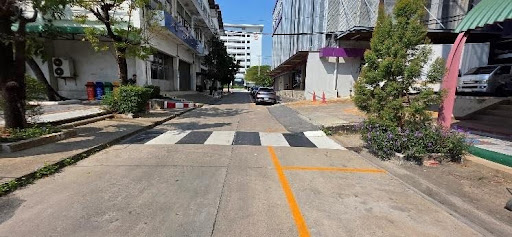
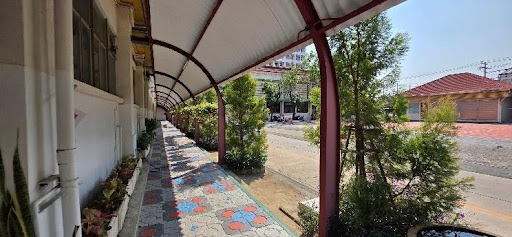
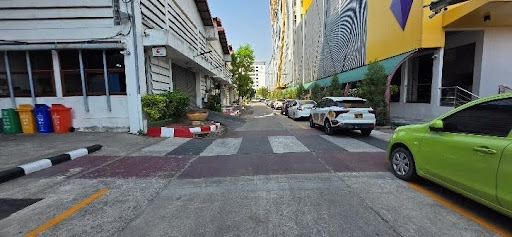
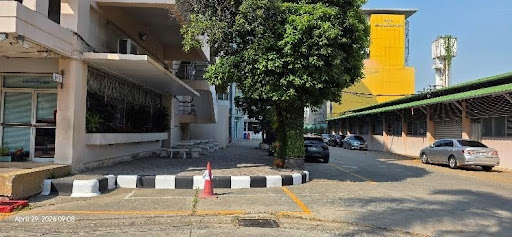
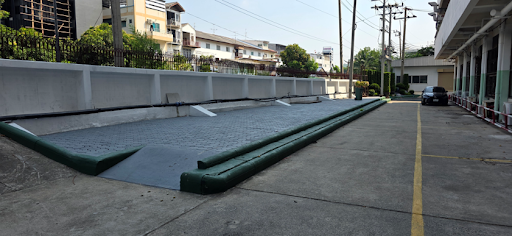
In the this year, RMUTP reduced the ground parking area at the Faculty of Engineering by converting part of the former parking space into a multipurpose courtyard. A small number of parking spaces were added along the internal road to support necessary vehicle access. However, the overall land-use direction emphasizes reducing large surface parking areas and increasing flexible open spaces for students, staff, and campus activities. This reflects RMUTP’s commitment to sustainable transportation management and efficient use of limited urban campus space.
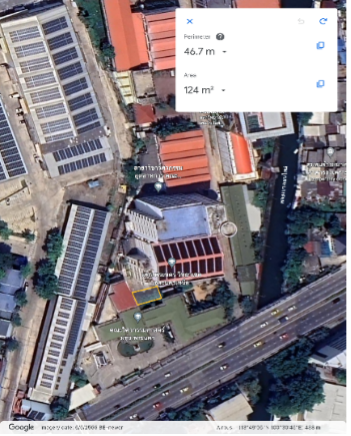
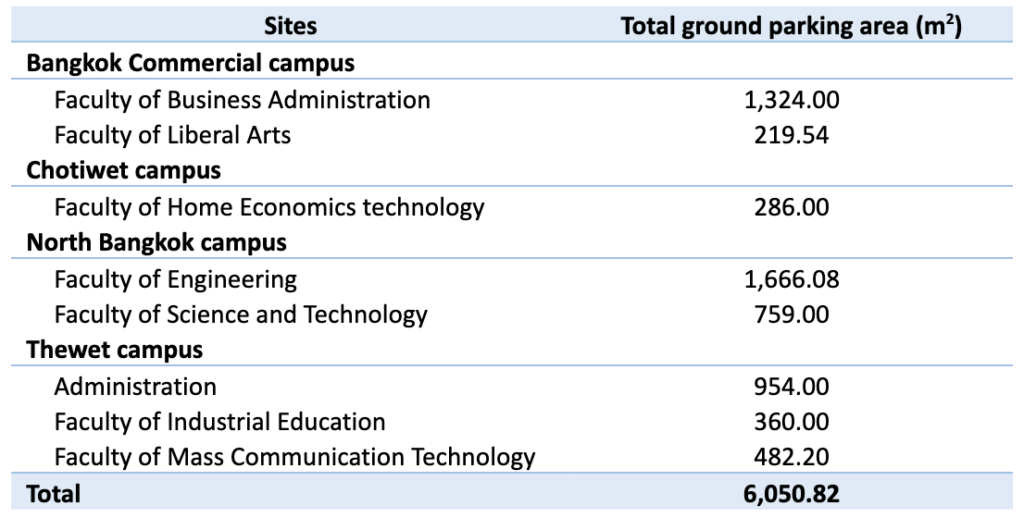
The parking area of RMUTP and ratio of parking area to total campus area shown as below.
Program to limit or decrease the parking area on campus for the last 3 years (from 2021 to 2023)
Reduce the parking area to its limit
Description:
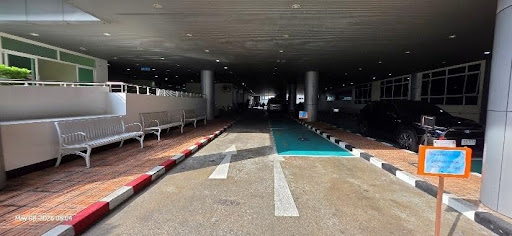
Over the past three years, Rajamangala University of Technology Phra Nakhon (RMUTP) has continuously implemented measures to control and gradually reduce on-campus parking areas as part of its commitment to sustainable urban mobility, efficient land use, and environmental responsibility.
Given the university’s strategic location in central Bangkok, where public transportation is widely available, RMUTP encourages students, staff, and visitors to rely on mass transit and other low-emission travel options rather than private vehicles. As a result, the university has reduced parking areas to the greatest extent feasible within its operational constraints, while still maintaining sufficient access for essential university services, emergency vehicles, and necessary campus operations.
At present, RMUTP has reduced its parking areas to the maximum practical limit. Further reductions may affect essential campus operations, safety, accessibility, and emergency response capacity. Therefore, the university’s current strategy focuses on maintaining parking at the minimum necessary level while promoting public transportation, walking, cycling, and low-emission mobility as the preferred modes of travel.
Number of Transportation Initiatives to Decrease Private Vehicles on Campus
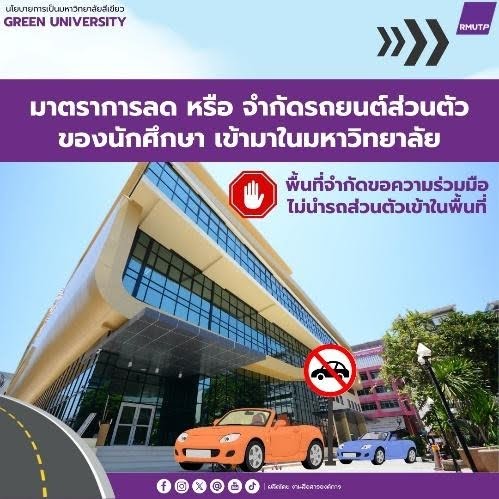
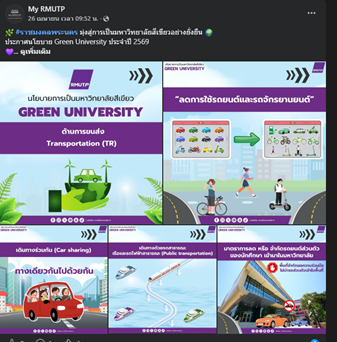
Example of invitation poster
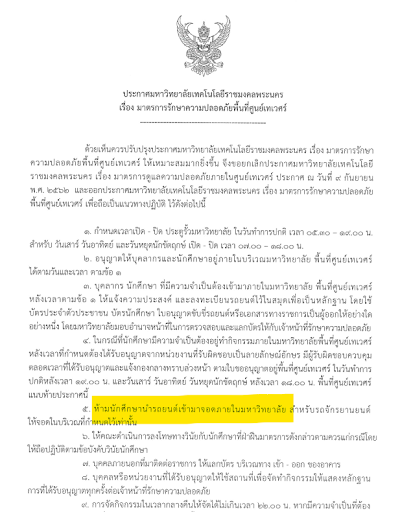
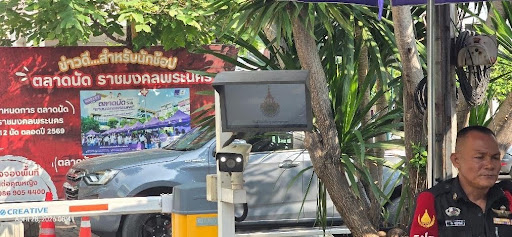
Restriction of student private vehicles on campus
Description:
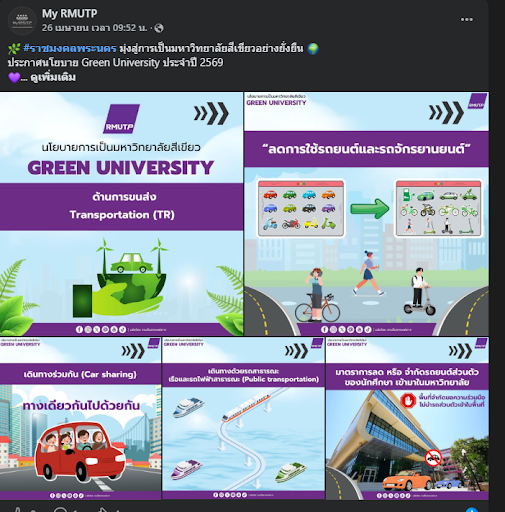
Rajamangala University of Technology Phra Nakhon (RMUTP) has implemented more than three initiatives to reduce the use of private vehicles on campus and promote sustainable transportation. These initiatives are part of the university’s Green University transportation campaign, which aims to reduce traffic congestion, air pollution, fuel consumption, and greenhouse gas emissions within and around campus areas.
RMUTP’s initiatives to decrease private vehicle use include the following:
Restriction of student private vehicles on campus RMUTP has implemented a policy to restrict students from bringing private vehicles into campus areas. This measure directly reduces the number of cars and motorcycles entering the university and helps minimize the demand for parking spaces.
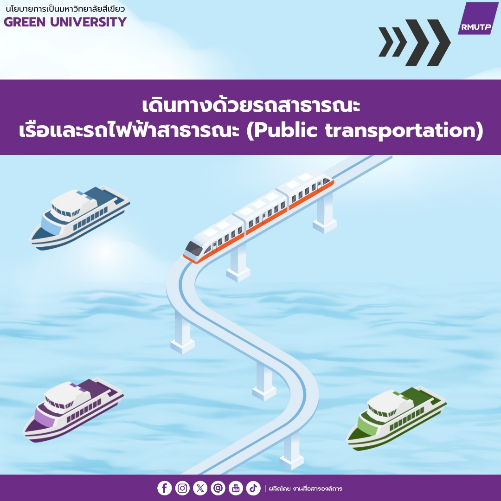
Promotion of public transportation The university encourages students, staff, and visitors to travel by public transportation, including buses, rail systems, boats, and other public transit services available in Bangkok. This is particularly suitable for RMUTP because its campuses are located in urban areas with strong public transport connectivity.
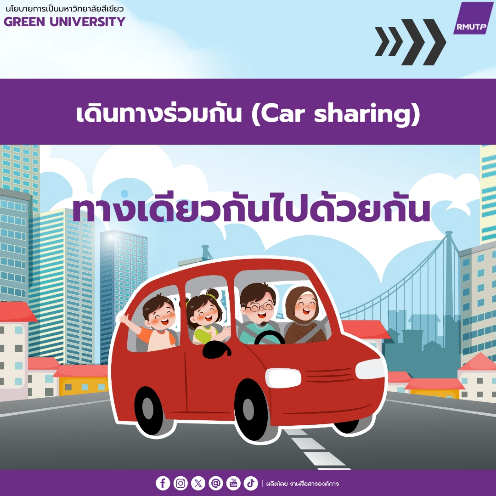
Car-sharing campaign RMUTP promotes car sharing among staff and students as an alternative to single-occupancy vehicle use. This initiative encourages members of the university community to travel together, thereby reducing the total number of vehicles entering the campus.
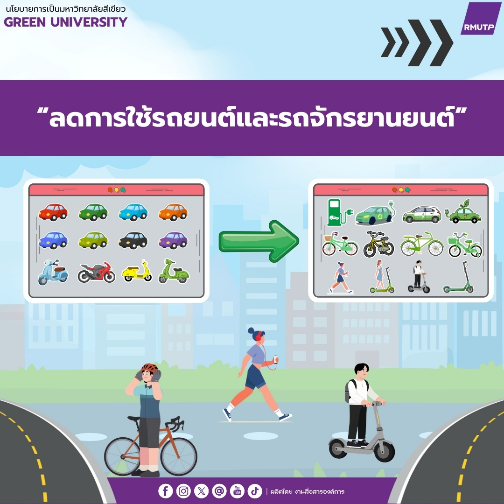
Promotion of non-motorized and low-emission mobility The university encourages walking, cycling, and the use of low-emission mobility options within and around campus areas. This supports healthier travel behavior and helps reduce dependence on fuel-based vehicles.
Parking area control and reduction RMUTP has gradually controlled and reduced on-campus parking areas. Some former parking spaces have been converted into multipurpose areas, while remaining parking spaces are managed for necessary use only, such as staff, authorized visitors, service vehicles, and emergency access.
Pedestrian Path Policy on Campus
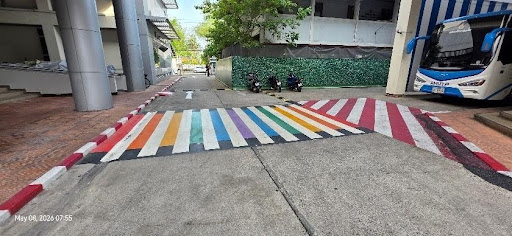
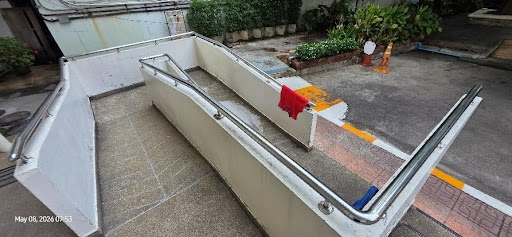
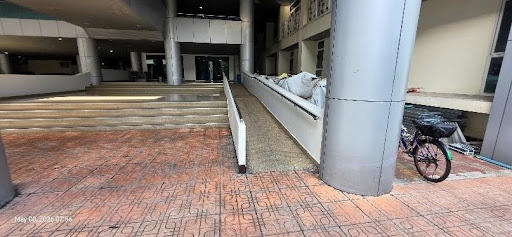
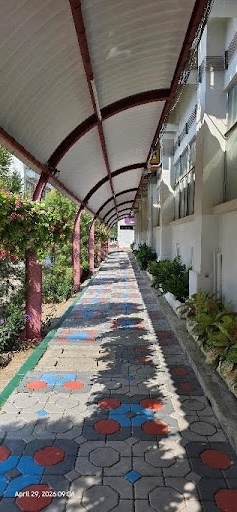
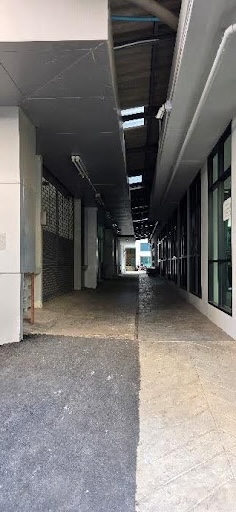
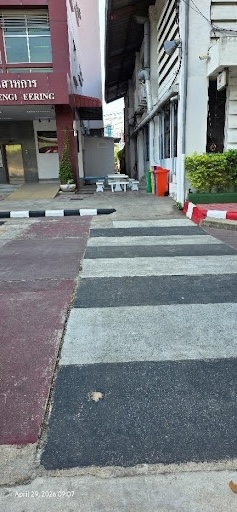
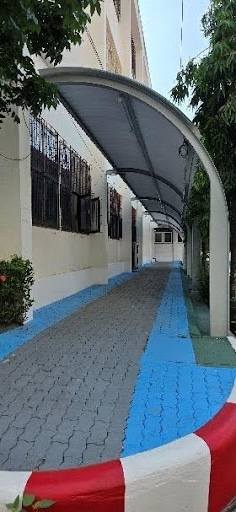
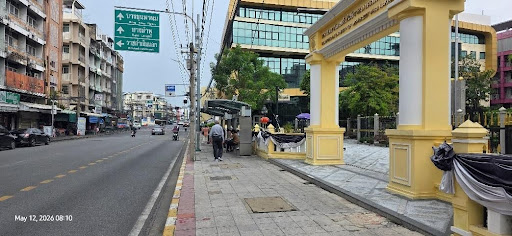
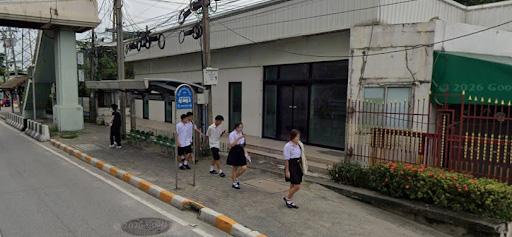
Pedestrian paths crosswalk and separate from road
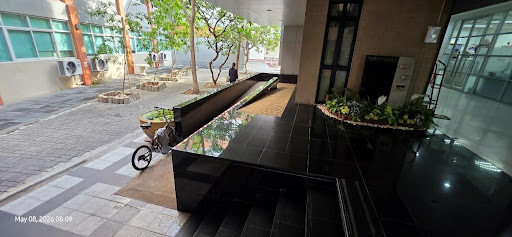
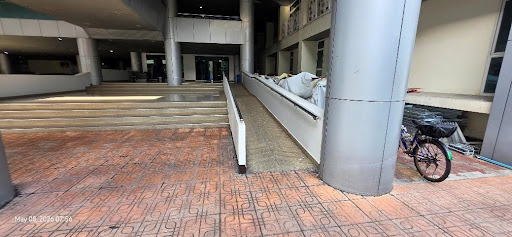
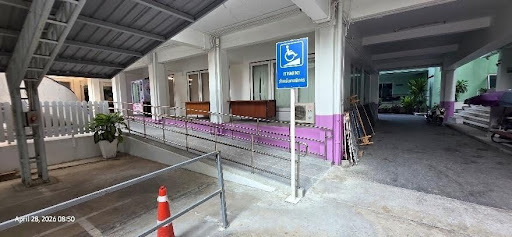
Disabled-friendly features
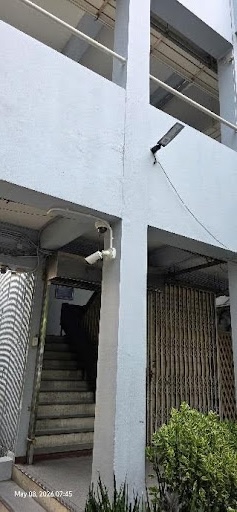
Light and CCTV
Description:
Rajamangala University of Technology Phra Nakhon (RMUTP) has implemented a pedestrian path policy to ensure safe, accessible, and convenient movement for students, staff, visitors, and persons with disabilities. This policy supports the university’s broader commitment to inclusive infrastructure, universal design, and sustainable mobility within campus areas.
Clear Separation from Vehicular Roads
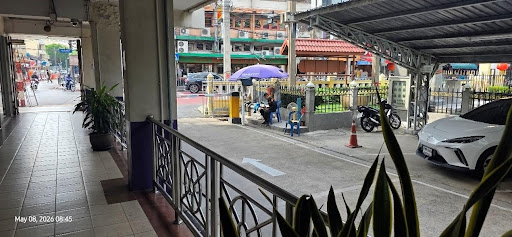
Pedestrian walkways across RMUTP campuses are designed to be clearly separated from motor vehicle routes where possible. This separation helps reduce pedestrian–vehicle conflicts, improves walking safety, and creates a more comfortable environment for daily campus users.
Inclusive and Accessible Design
RMUTP applies universal design principles to improve accessibility for all users, including persons with disabilities, elderly persons, and individuals with limited mobility.
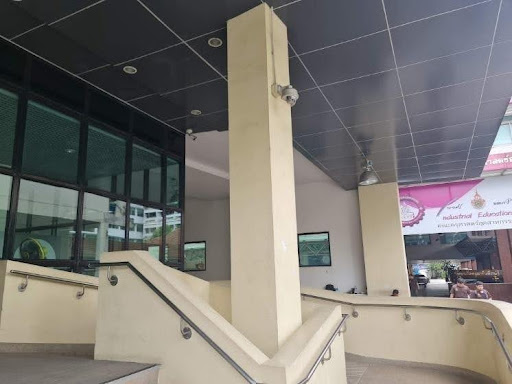
Universal ramps installed at building entrances, between buildings, and along major pedestrian routes to support wheelchair users and people using mobility aids.
Accessible crosswalks located at appropriate points, with smooth transitions, proper slopes, non-slip surfaces, and barrier-free access to support safe and convenient movement.
Enhanced Safety Measures
To strengthen pedestrian safety, RMUTP provides supporting infrastructure along major walking routes, including:
Street lighting to improve visibility during evening and low-light periods.
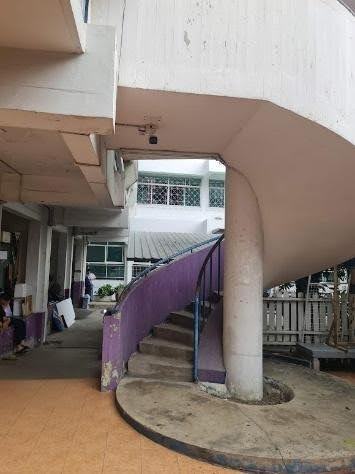
CCTV surveillance to monitor pedestrian areas, enhance security, and support rapid response in case of incidents or emergencies.
Overall, RMUTP’s pedestrian path policy promotes a safer, more inclusive, and more walkable campus environment, while supporting reduced reliance on private vehicles and contributing to sustainable transportation management.
Impact of Transportation programs in supporting the Sustainable Development Goals (SDGs)
Electric Vehicles for Educational
EV charging station
Public transportation
Public transportation
License Plate Recognition (LPR) technology
Green University campaigns
Description:
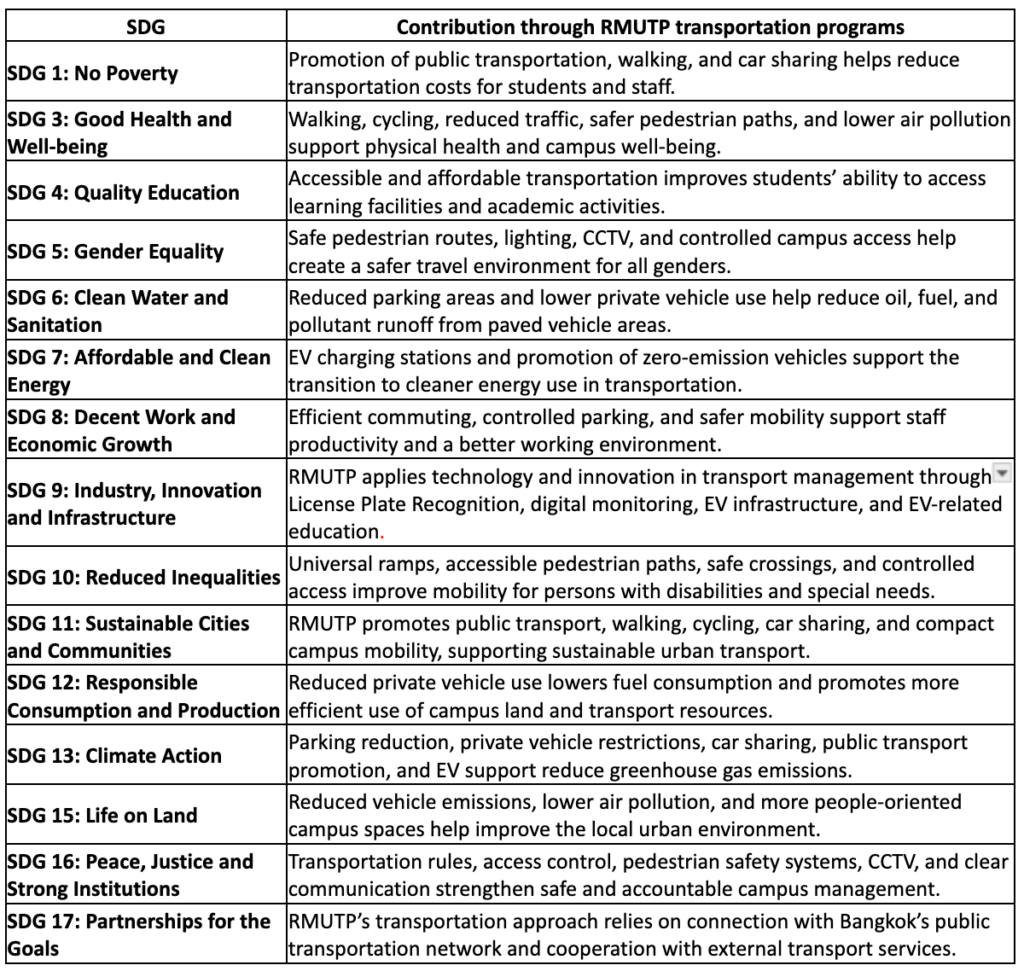
Rajamangala University of Technology Phra Nakhon (RMUTP) has implemented comprehensive transportation programs that strongly support the Sustainable Development Goals (SDGs). These programs include restrictions on private vehicle use, reduction and control of parking areas, promotion of public transportation, car sharing, pedestrian-friendly campus design, bicycle facilities, electric vehicle support, accessible pedestrian paths, and green transportation awareness campaigns.
As an urban university located in central Bangkok, RMUTP places strong emphasis on reducing dependency on private vehicles and encouraging sustainable, inclusive, and low-emission mobility. The university’s transportation programs are designed not only to reduce traffic congestion and greenhouse gas emissions, but also to improve safety, accessibility, health, equity, resource efficiency, and environmental quality.
Overall, RMUTP’s transportation programs directly support 15 SDGs, demonstrating a very high impact contribution to sustainable development.