Energy and Climate Change (EC)

Energy Efficient Appliances Usage

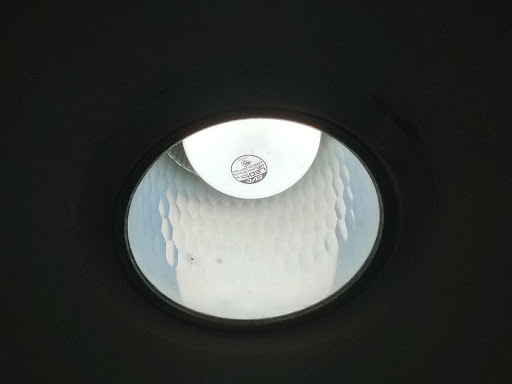
Example of Energy Efficient Appliances Usage: Use of LED lighting and lamps with light detection

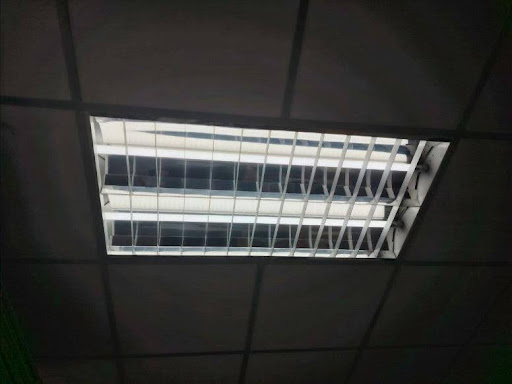
Example of Energy Efficient Appliances Usage: Use of LED lamps in place of older fluorescent lamps

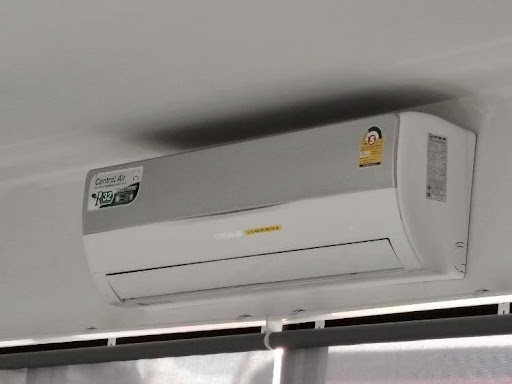
Example of Energy Efficient Appliances Usage: Use of Air conditioner with Energy Saving Label No.5 that certified by the Electricity Generating Authority (EGAT) of Thailand 

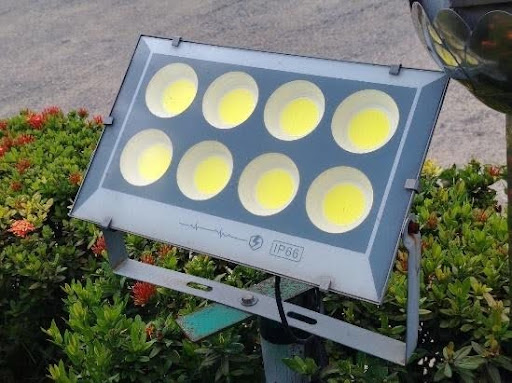
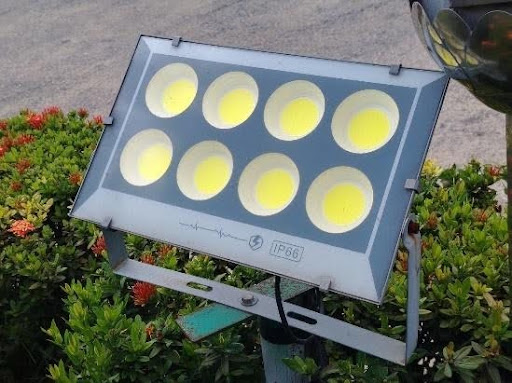
Example of Energy Efficient Appliances Usage: Solar panels to spotlights for exterior areas.

(Please describe the energy efficient appliances usage on your campus. The following is an example of the description. You can describe more related items if needed.)

The evidence provided may also include maps showing the location, area size, or distribution of facilities relevant to the indicators

Rajamangala University of Technology Phra Nakhon has implemented energy conservation measures through the use of high-efficiency equipment in various areas as follows: 1) Air Conditioning: We have installed energy-saving air conditioners certified with the Energy Saving Label No. 5 from the Electricity Generating Authority of Thailand, replaced old air conditioner models with new ones, installed supplementary energy-saving devices, and performed regular maintenance and cleaning. 2) Lighting Systems: We have switched to more energy-efficient LED lamps in place of older fluorescent lamps and installed motion-activated automatic lighting systems in restrooms.3) Office Equipment: We have procured computers that meet the Energy Star label standard for efficient energy consumption. 4) Renewable Energy: We have installed solar panels to generate electricity for use within the university and utilized solar-powered spotlights for exterior areas.

Number of appliances and energy Efficient appliances

ApplianceTotal NumberTotal number energy Efficient appliancesPercentage
Lamps24,80115,18861%
Air conditioners1,9241,35871%
Computers1,6781,678100%
Printers134134100%
Average Percentage28,53718,35864%

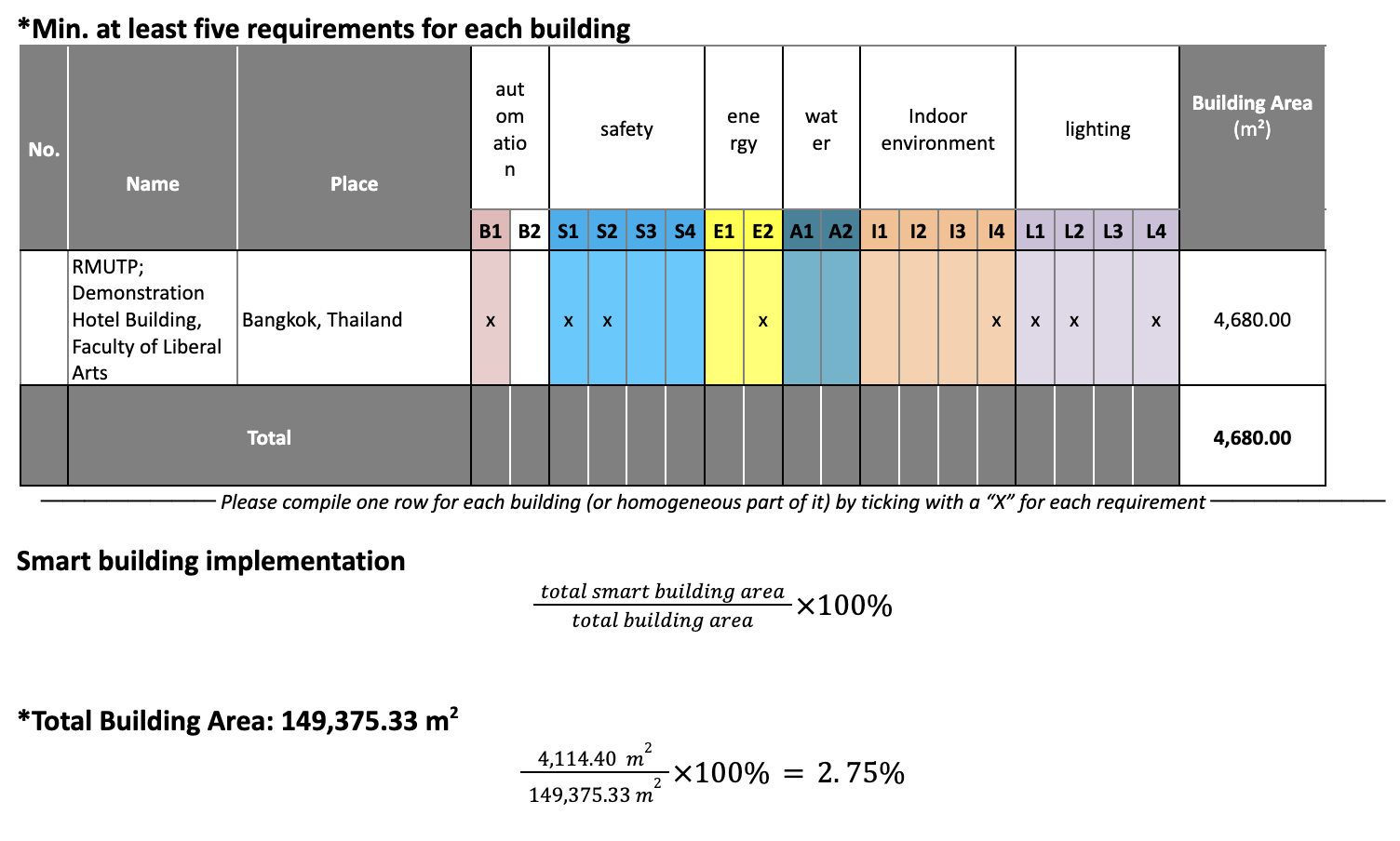
Smart Building Implementation


Note: One building could be classified as a smart building if it has a minimum of 5 features.  Please add the total smart building area from buildings which are classified as smart buildings.

The evidence provided may also include maps showing the location, area size, or distribution of facilities relevant to the indicators.
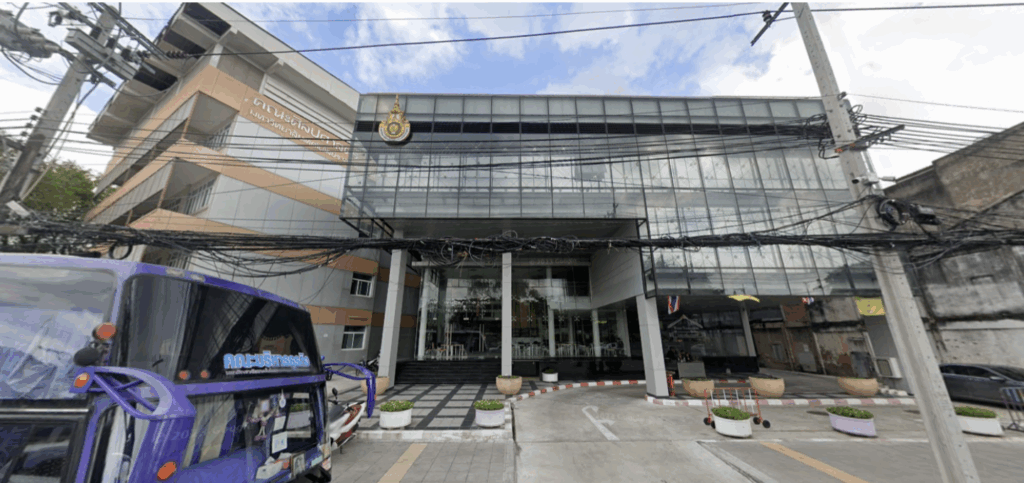
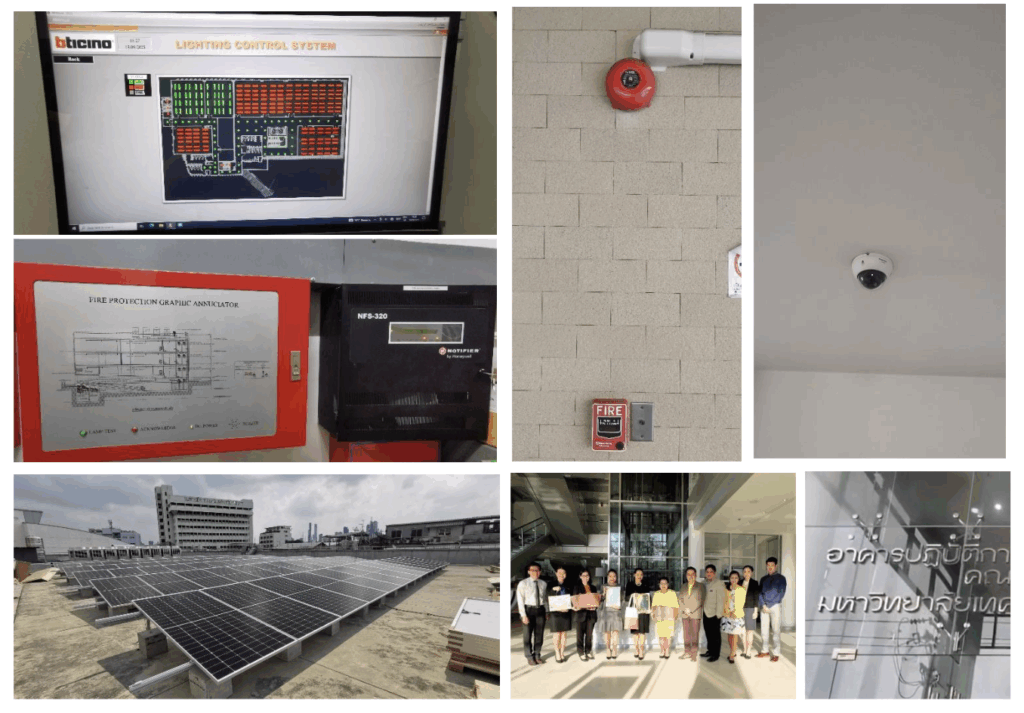
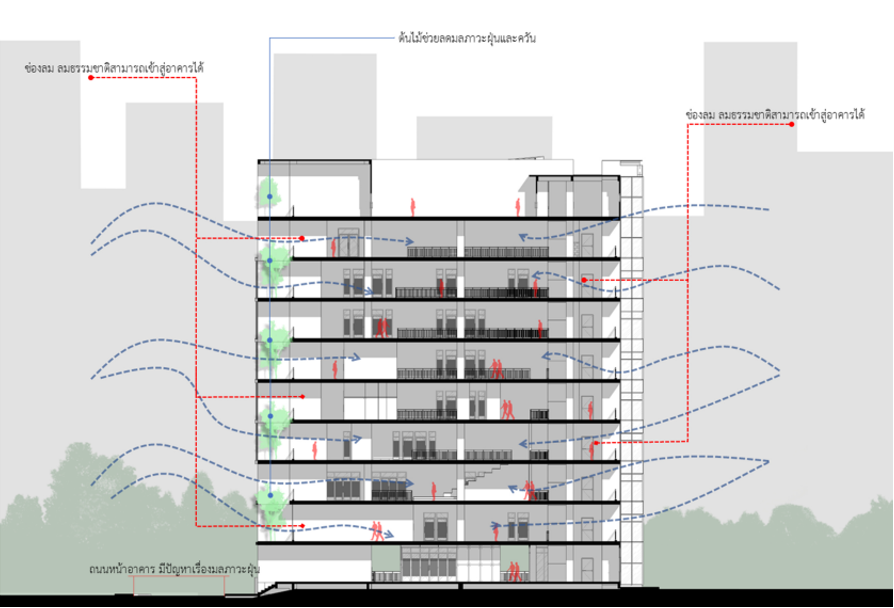
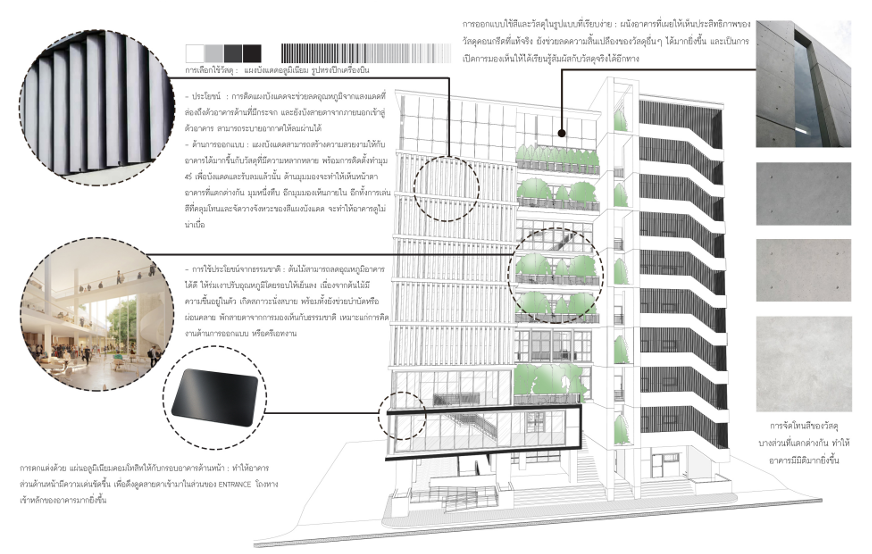
The Hotel and Tourism Operating Building with the implementation of smart building feather, The faculty of Liberal Arts, Rajamangala Univeristy of Technology Phranakhon
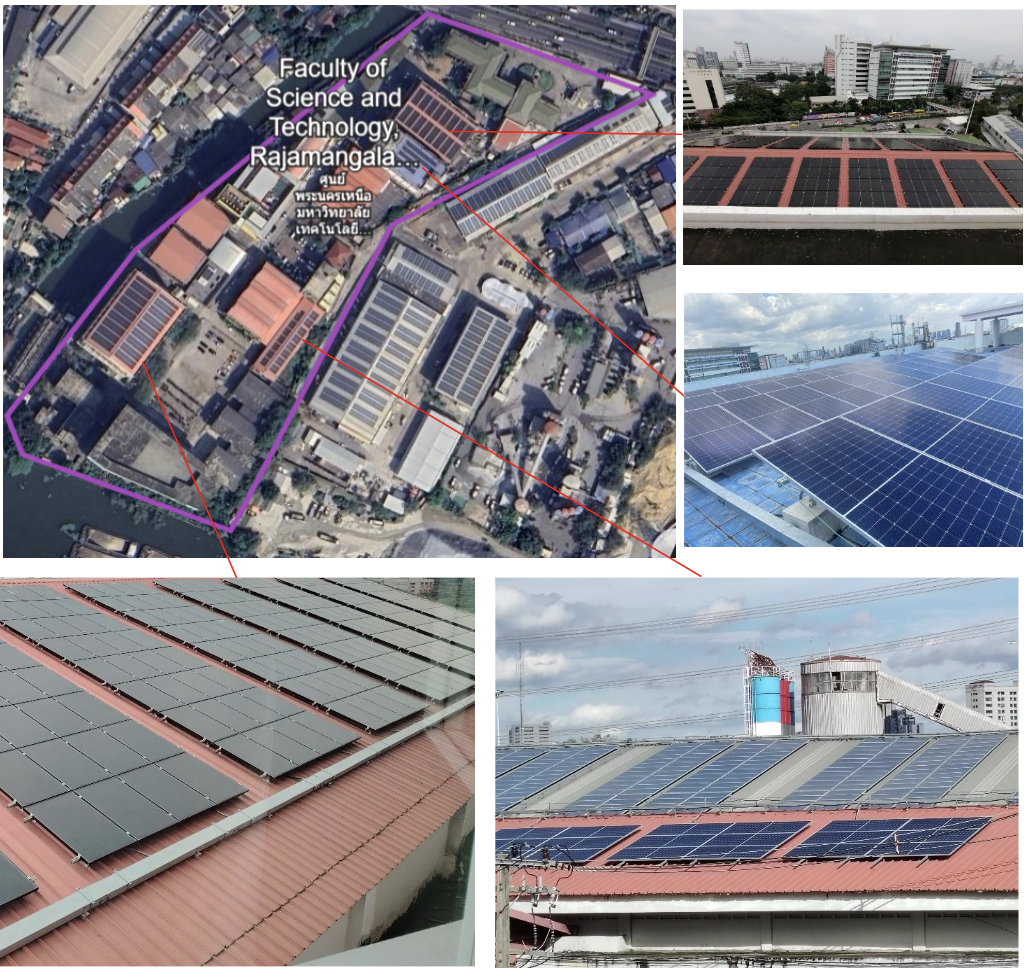
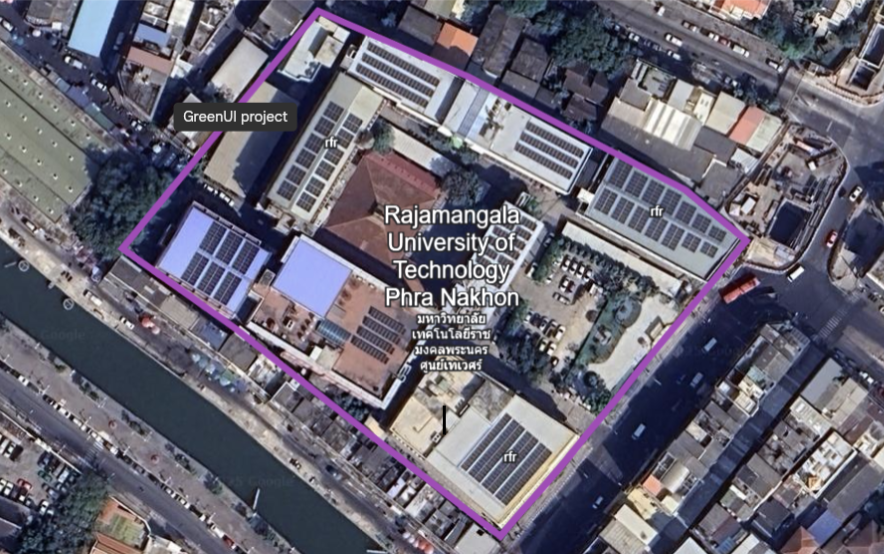
Renewable Energy Sources in Campus

Roof and Façade Mounted Solar Panels capacity 340,994.28 kWh/year at the Faculty of Engineering, North Bangkok campus, RMUTP
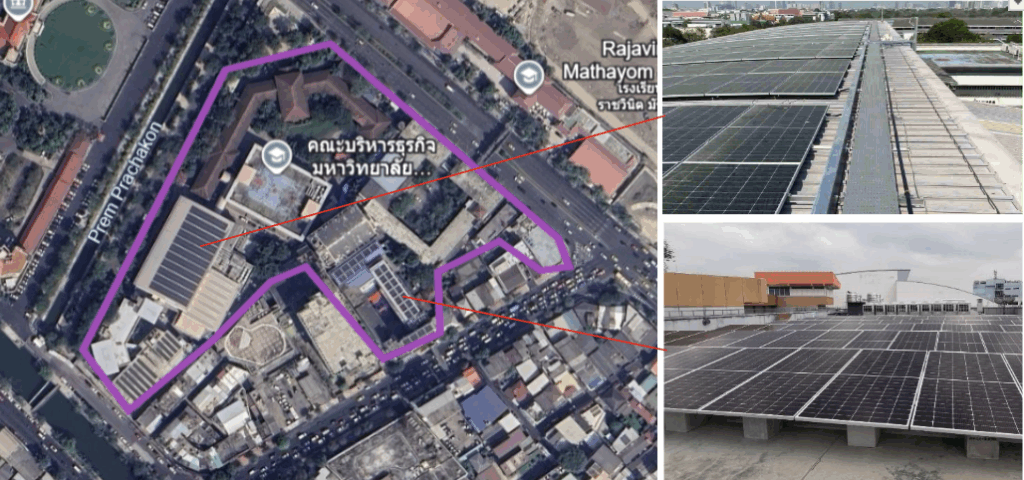
Roof and Façade Mounted Solar Panels capacity 416,185.18 kWh/year at the Rector Office Building and the Faculty of Mass Communication Building and the Faculty of Industrial Education, Thevet campus, RMUTP
Roof and Façade Mounted Solar Panels capacity 223,298.16 kWh/year at the Faculty of Business Administration, Faculty of Liberal Arts and the Faculty of Textile and Fasion Design, Phra Nakhon Commercial Center, RMUTP
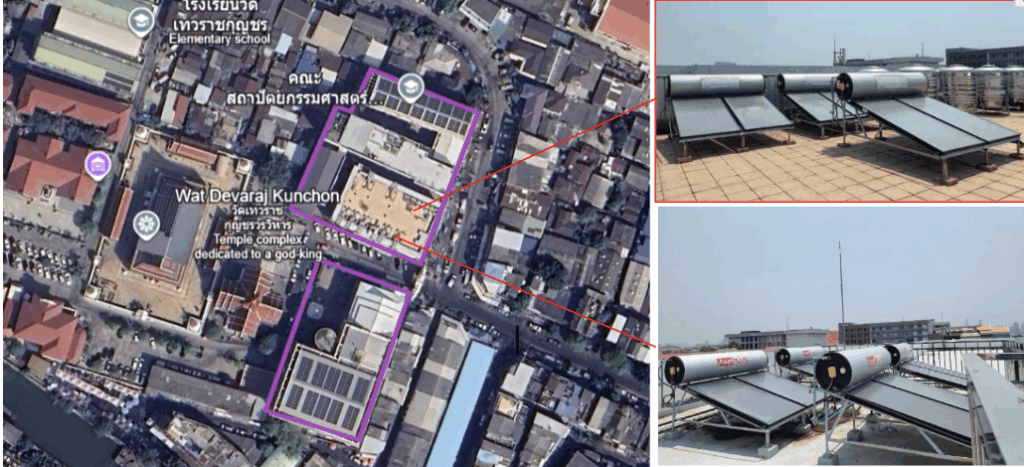
Roof and Façade Mounted Solar Panels capacity 182,945.33 kWh/year and Solar hot water boiling system capacity 36,500 kWh/year at Faculty of Home Economics Technology, Chotiwet Center, RMUTP

Description:

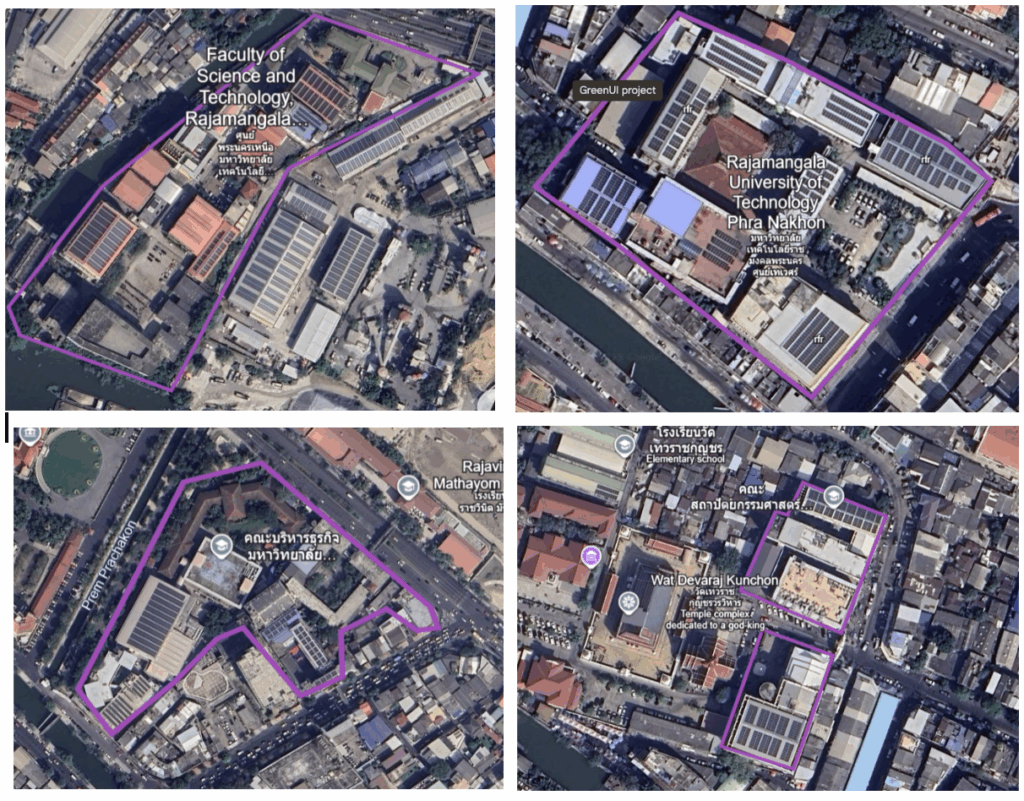
Rajamangala University of Technology Phra Nakhon has installed solar panels to produce renewable electricity in 4 centers: North Phra Nakhon Center, Thewet Center, and Phra Nakhon Commercial Center and Chotiwet Center. Each center has the following total production capacity:

  1. North Phra Nakhon Center: Total production capacity of 340,994.28 kWh/year
  2. Thewet Center: Total production capacity of 416,185.18  kWh/year
  3. Phra Nakhon Commercial Center: Total production capacity of 182,945.33 kWh/year
  4. Chotiwet Center : Total production capacity of 607,827 kWh/year

The total solar power generation of Rajamangala University of Technology Phra Nakhon amounts to 1,163,372.95 kWh/year.

Apart from solar power for electronic generation, the university also utilizes the solar power for hot water boiling with the capacity of 36,500 kWh/year.

Electricity Usage per Year (in Kilowatt hour)

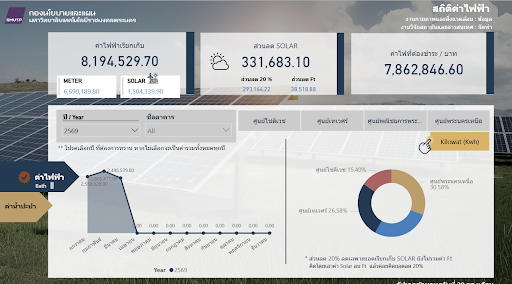
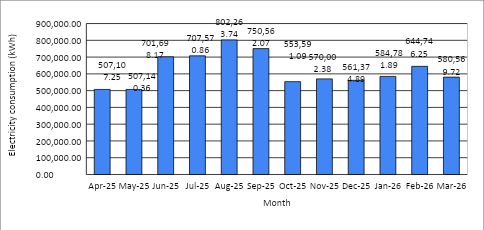
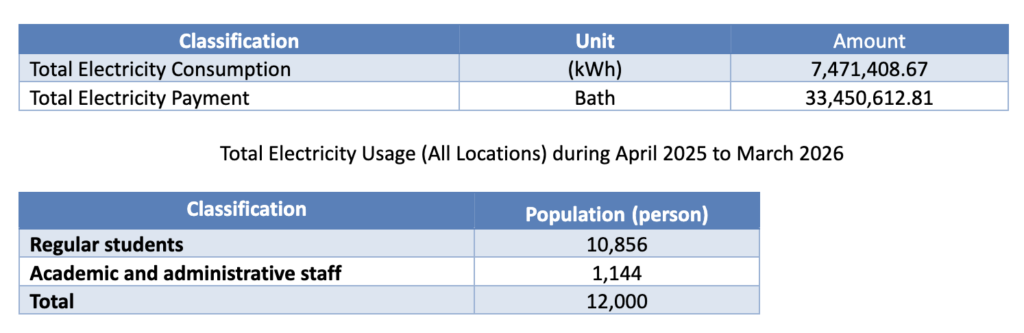
The total electricity usage of Rajamangala University of Technology Phra Nakhon (RMUTP) during April 2025 to March 2026 is 7,471,408.67 kWh. On the five main centers (campuses) areas of RMUTP, electricity is used for lighting, cooling, heating, office’s and laboratory’s appliances. The total university’s population is 12,000 persons, hence, the electricity usage per person in all campuses is 622.62 kWh.

Ratio of renewable energy production divided by total energy usage per year

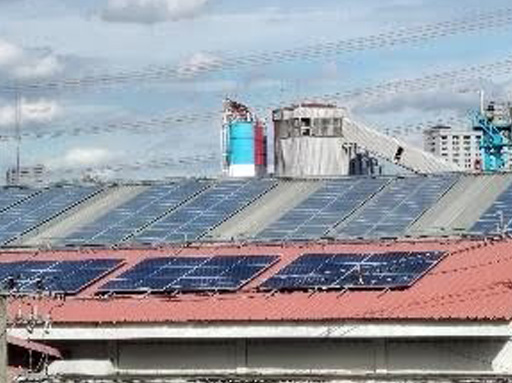
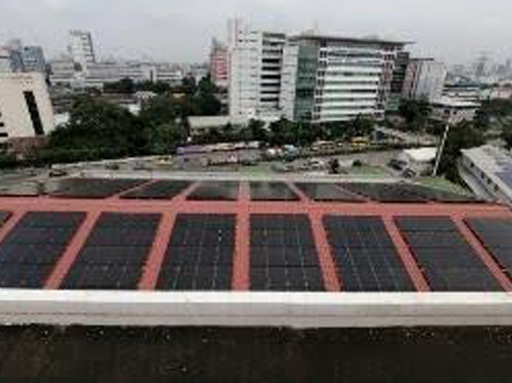
The solar cell system installed on the rooftops of various buildings at the North Phra Nakhon Center (Top left), the Thewet Center (Top right) , the Phra Nakhon Commercial Center (Bottom left) and the Chotiwet Center (Bottom right), Rajamangala University of Technology Phra Nakhon

Total electricity usage from April 2025 to March 2026 is 7,471,408.67 kWh.
Total of renewable electricity production is 1,413,823.02 kWh/year.

Ratio of renewable energy production divided by total energy usage per year

Renewable Electricity usage = (1,413,823.02 /7,471,408.67) *100 = 18.92 %

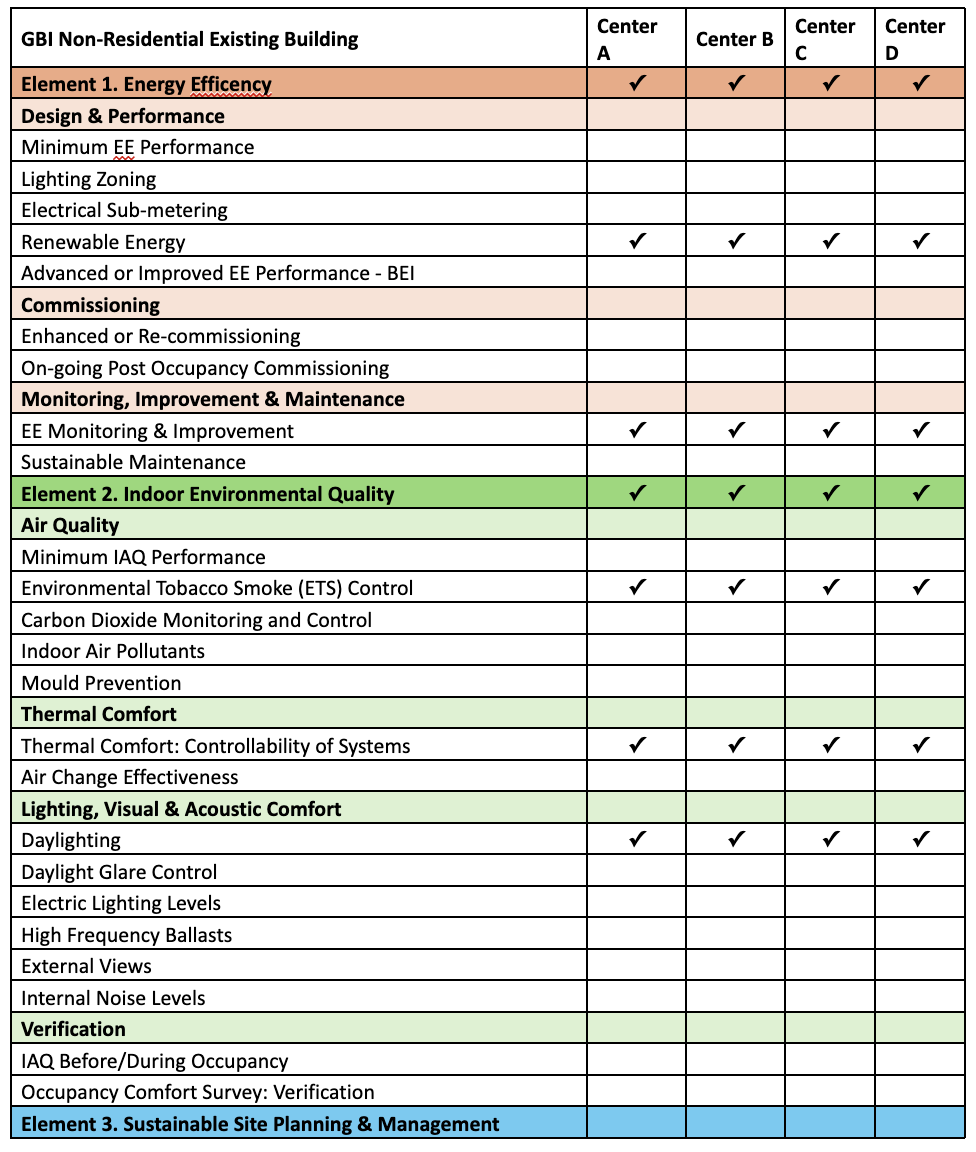
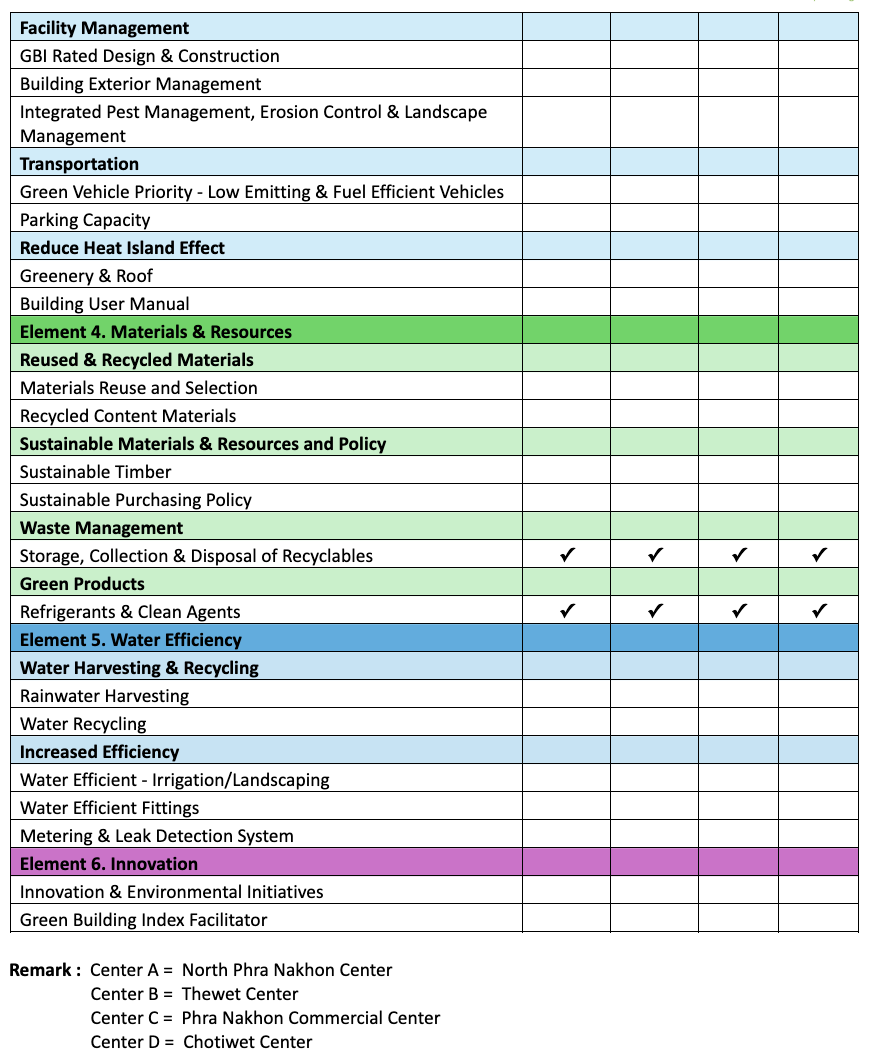
Elements of green building implementation as reflected in all construction and renovation policies

Example of Green Building Rajamangala Univeristy of Technology Phranakhon (RMUTP), Thailand
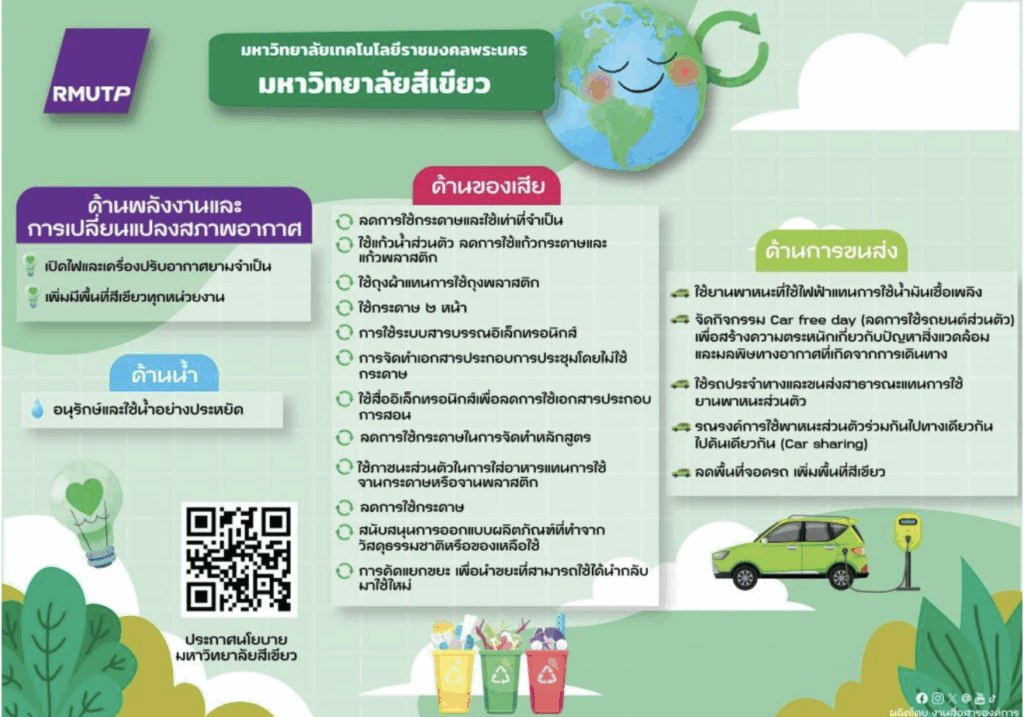
Policy of Green University Implementation, Rajamangala Univeristy of Technology Phranakhon (RMUTP), Thailand
Policy of Green University Implementation, Rajamangala Univeristy of Technology Phranakhon (RMUTP), Thailand
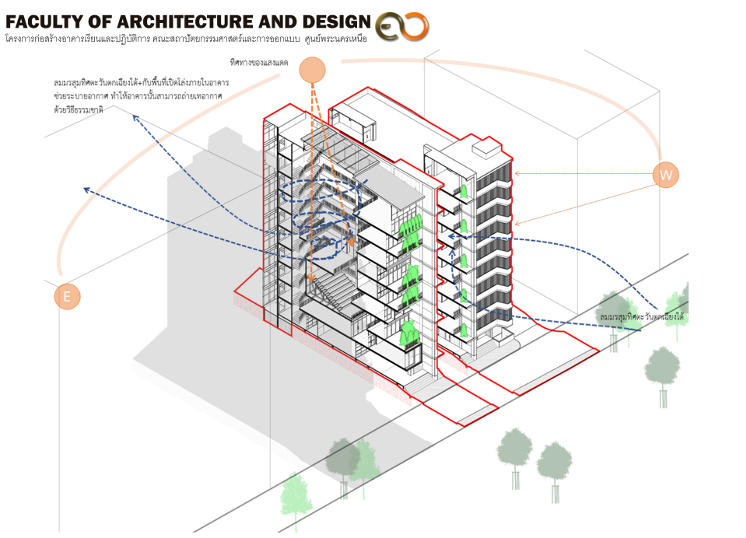
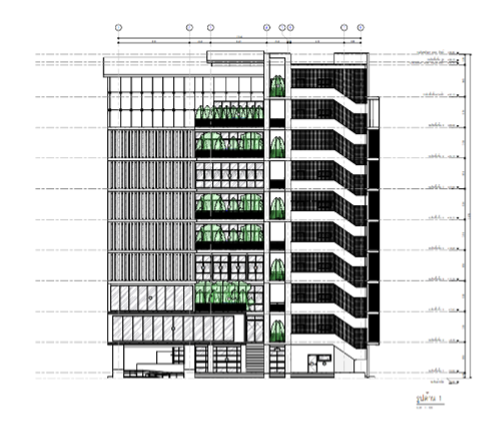
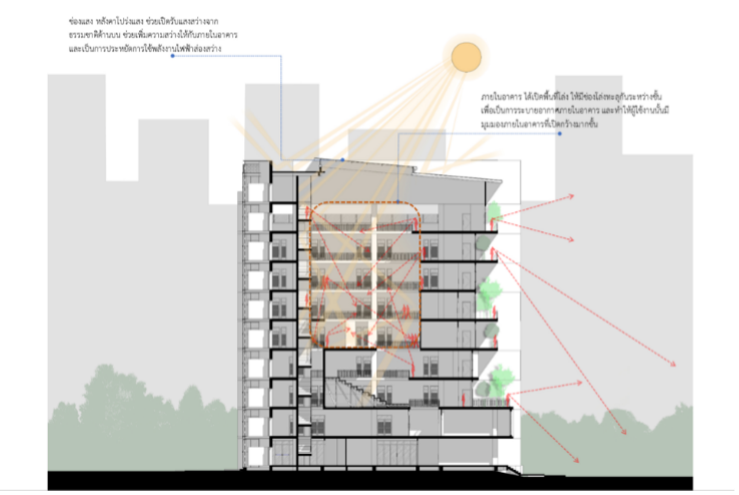
Example of Green Building Implementation Rajamangala Univeristy of Technology Phranakhon (RMUTP), Thailand
Description:

RMUTP has implemented several green building elements across its various campuses, as detailed in above table. The university’s policies for all construction and renovation projects reflect a commitment to sustainable practices. Key implemented elements include:

  1. Energy Conservation and Efficiency: All centers utilize natural ventilation, energy-efficient lighting, and automatic power-off systems.
  2. Renewable Energy: Solar cells are used for lighting in all centers.
  3. Building Materials and Waste Management: The university has comprehensive waste management systems, including storage, collection, and disposal of recyclables.
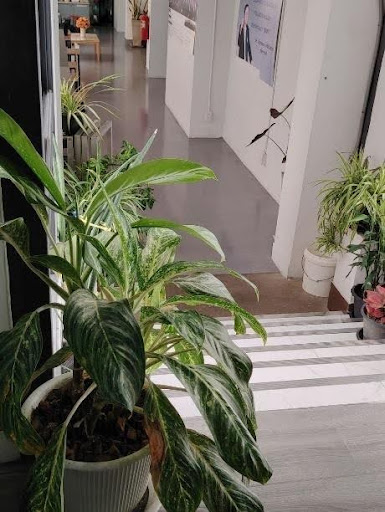
  4. Indoor Environmental Quality: The use of natural ventilation and non-toxic materials contributes to a healthy indoor environment..

Apart from above mentioned, the university’s green building policies also include considerations for water efficiency.

Greenhouse gas emission reduction program

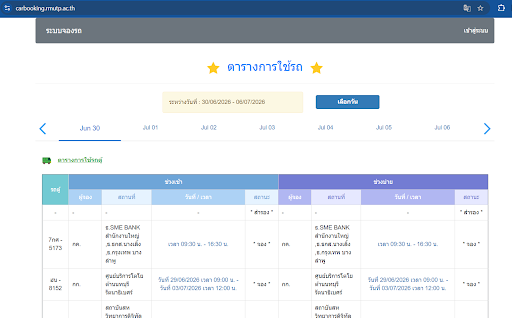
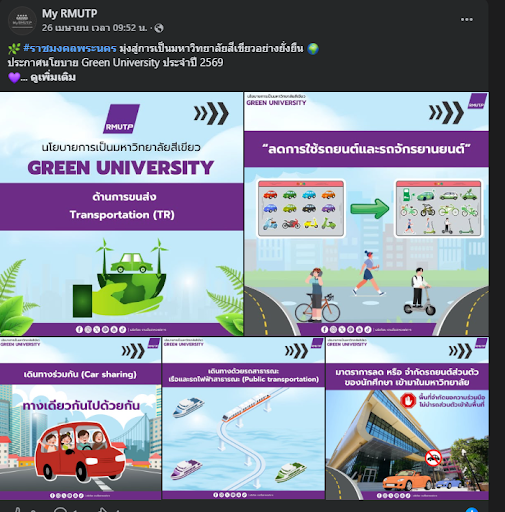
Vehicle management systems

Solar panel

Electricity-use monitoring

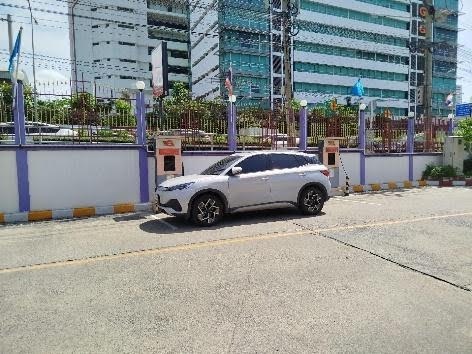
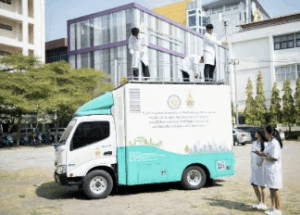
EV Charing station

Campaigns

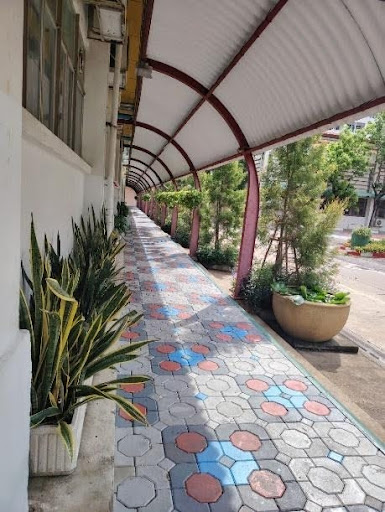
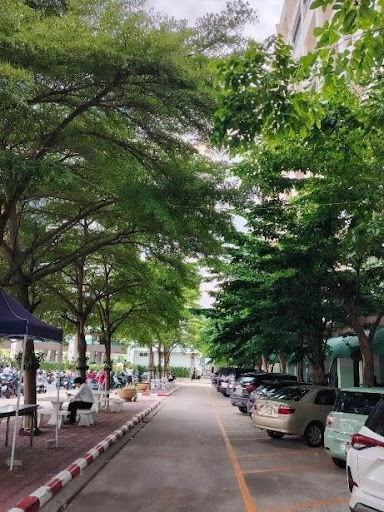
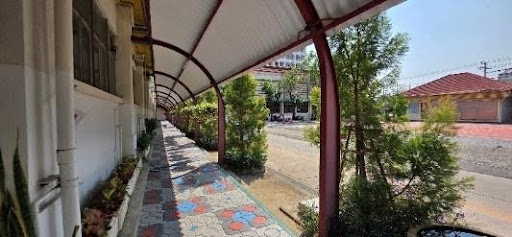
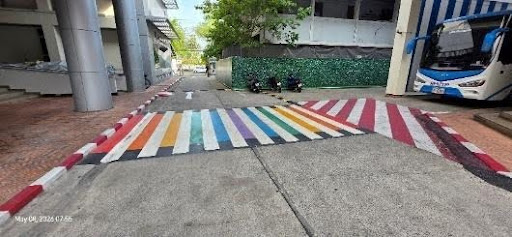
Safe pedestrian pathways

Description:

Rajamangala University of Technology Phra Nakhon (RMUTP) has implemented formal greenhouse gas emission reduction programs covering all three emission scopes: direct emissions from university operations, indirect emissions from purchased electricity, and other indirect emissions from waste, water use, and commuting.

For Scope 1 direct emissions, RMUTP manages emissions from university-owned vehicles and campus equipment through vehicle-use control, vehicle management systems, and measures to reduce unnecessary fuel consumption. These measures help reduce direct emissions from mobile combustion and support more efficient use of university transport resources.

For Scope 2 indirect emissions, RMUTP reduces emissions from purchased electricity through energy conservation programs, renewable energy installation, solar-cell systems, energy-efficient equipment, LED lighting, and electricity-use monitoring. 

For Scope 3 other indirect emissions, these include EV charging stations, pedestrian pathways, restriction of student private vehicles, parking-area control and reduction, public transportation promotion, car sharing, and awareness campaigns to reduce commuting-related emissions.

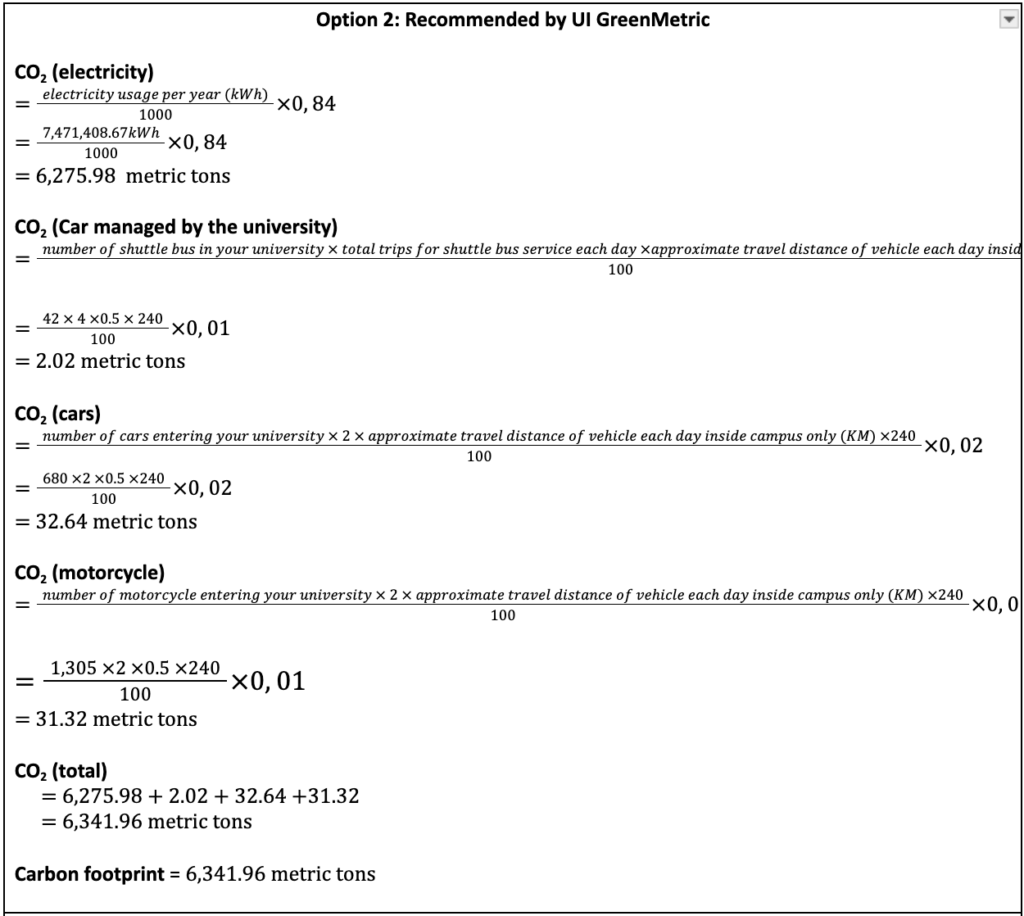
Please Provide The Total Carbon Footprint (CO2 emission in the last 12 months, in metric tons)

Description:

The total carbon footprint per year is approximately 6,341.96 metric tons and the total carbon footprint per year per person is 6,341.96 /12,000 = 0.53 metric tons.

The number of innovative program(s) in Energy and Climate Change

There is no innovative program in Energy and Climate Change.

Impactful university program(s) on climate change

NoProgramsScope (international / regional / national / local / etc)Total ParticipantsPhotoURLShort Description
1B.Sc. in Climate and Environmental Management programNational6 Teachers

7 Students
https://www.rmutp.ac.th/280268Rajamangala University of Technology Phra Nakhon (RMUTP) is set to launch Thailand’s first Bachelor of Science (B.Sc.) in Climate and Environmental Management program in the 2025 academic year, offered by the Faculty of Science and Technology. This pioneering initiative aims to cultivate a new generation of experts equipped with the interdisciplinary skills necessary to tackle complex environmental challenges and guide the nation towards a sustainable future.
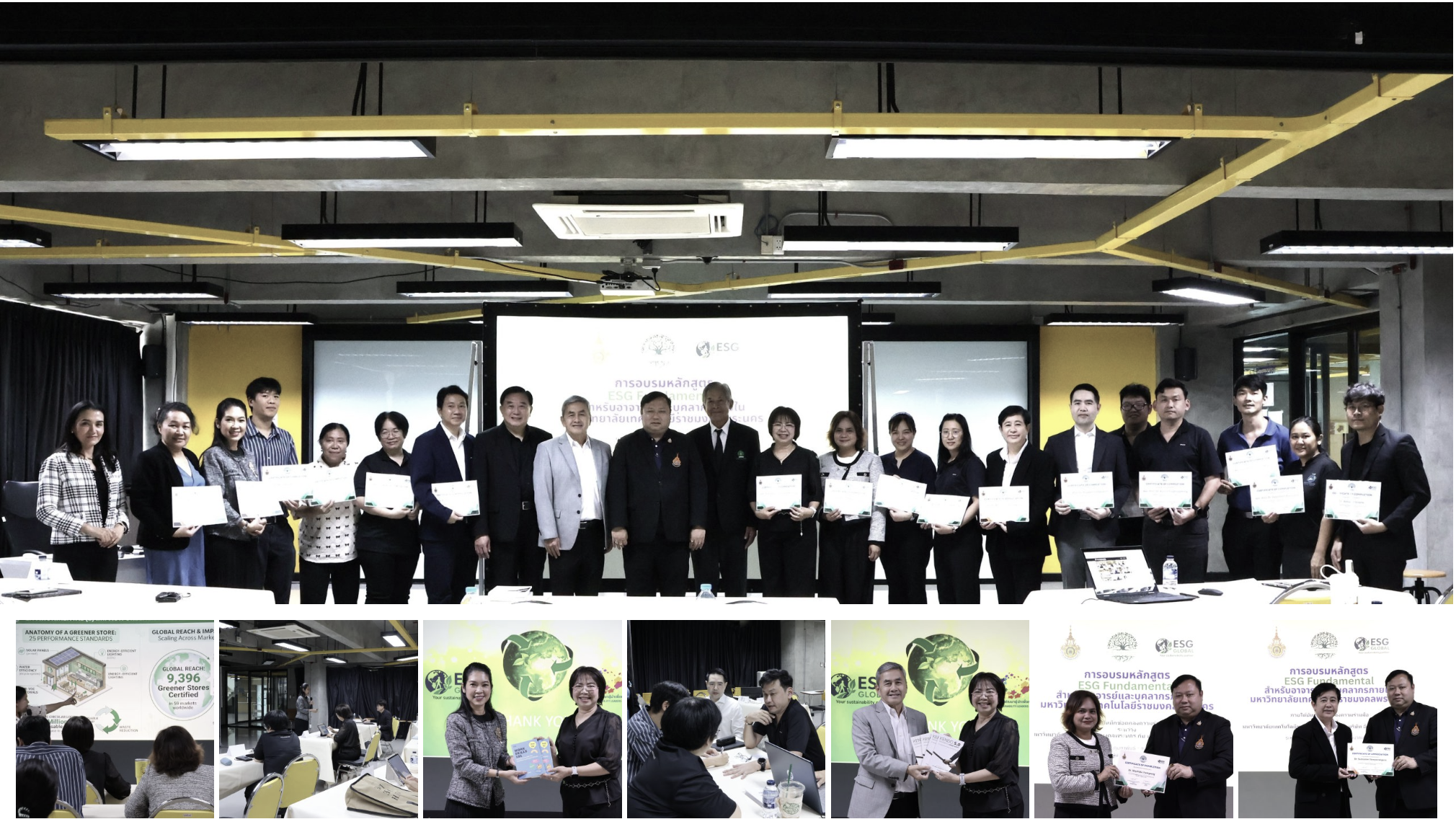
2“ESG Fundamental” training programlocal12 Teachershttps://www.rmutp.ac.th/คณะวิทยาศาสตร์ฯ-เสริมคว/The Faculty of Science and Technology at Rajamangala University of Technology Phra Nakhon (RMUTP) organized an “ESG Fundamental” workshop series for its faculty and staff. Held every Saturday from February 21 to April 4, 2026, the training aims to enhance knowledge in ESG data management, reporting, and analysis. The program covers key topics including global trends, governance, environment, social aspects, and business applications, featuring expert speakers from both public and private sectors. On March 21, 2026, RMUTP President Dr. Natworapol Rachsiriwatcharabul presided over the certificate presentation ceremony and joined discussions with the participants

Impact of Energy and Climate Change programs in supporting the Sustainable Development Goals (SDGs)

Renewable energy simulation software and installation of renewable energy

Description:

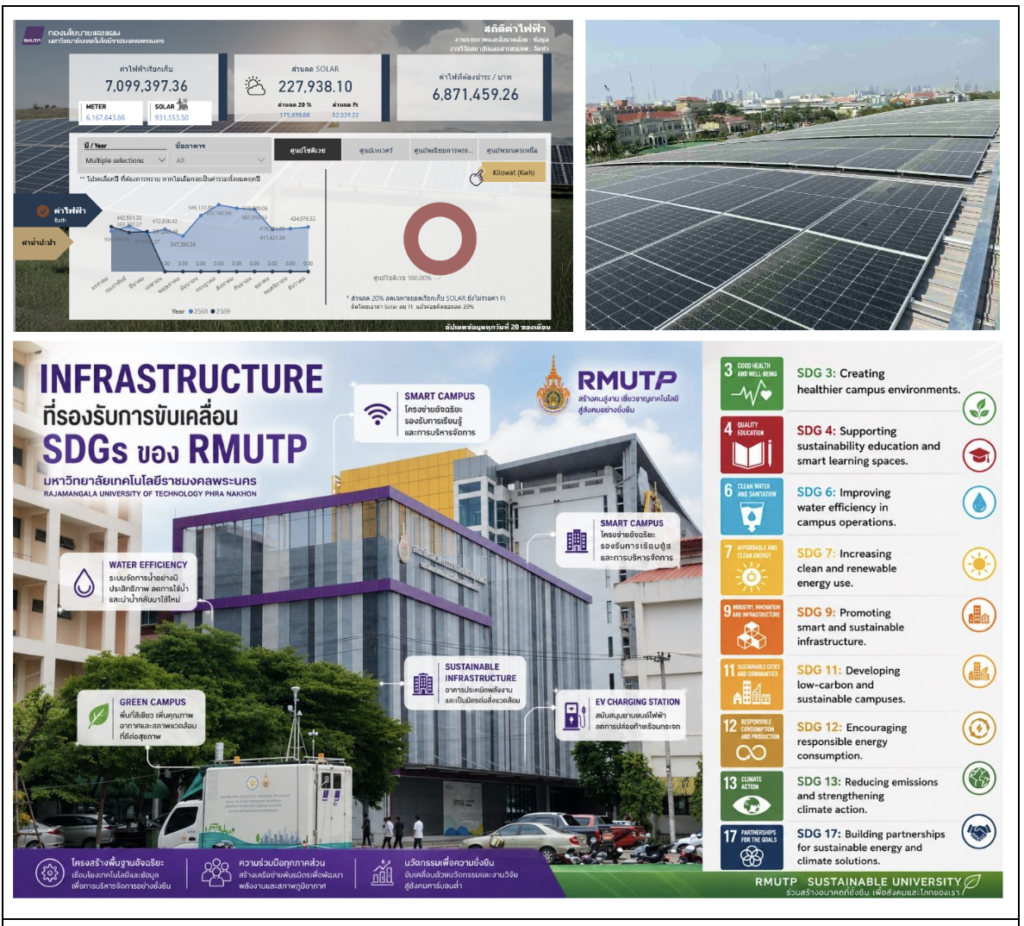
The Rajamangala University of Technology Phranakhon has undertaken a wide range of energy and climate-related programs that contribute significantly to the achievement of the 17 Sustainable Development Goals (SDGs). These initiatives reflect RMUTP’s commitment to reducing carbon emissions, improving energy efficiency, increasing renewable energy use, and building climate resilience. Key programs include:
  • Installation of solar PV systems on campus buildings to generate renewable electricity and reduce dependence on fossil fuels.
    Use of energy-efficient technologies, including LED lighting, sensor-based lighting, efficient air conditioners, and energy-saving office equipment.
    Promotion of campus-wide energy conservation campaigns and Green University practices to encourage responsible energy behavior.
    Application of smart and green building practices, including natural ventilation, daylighting, indoor environmental quality improvement, and water-saving systems.
    Replacement of conventional equipment with energy-efficient appliances in academic and administrative buildings.
    Carbon footprint assessment and greenhouse-gas reduction planning to support carbon neutrality and net-zero goals.
    Green mobility initiatives, including EV charging stations and low-carbon transport measures.
    Participation in sustainability assessment systems such as UI GreenMetric to monitor and improve energy and climate performance.
    Partnerships with external organizations to develop renewable energy, EV infrastructure, and energy-conservation learning activities.

These efforts directly support SDGs 3, 4, 6, 7, 9, 11, 12, 13, and 17, and indirectly contribute to the broader achievement of all 17 SDGs.

  • SDG 3: Creating healthier campus environments.
    • SDG 4: Supporting sustainability education and smart learning spaces.
    • SDG 6: Improving water efficiency in campus operations.
    • SDG 7: Increasing clean and renewable energy use.
    • SDG 9: Promoting smart and sustainable infrastructure.
    • SDG 11: Developing low-carbon and sustainable campuses.
    • SDG 12: Encouraging responsible energy consumption.
    • SDG 13: Reducing emissions and strengthening climate action.
    • SDG 17: Building partnerships for sustainable energy and climate solutions.
Scroll to Top