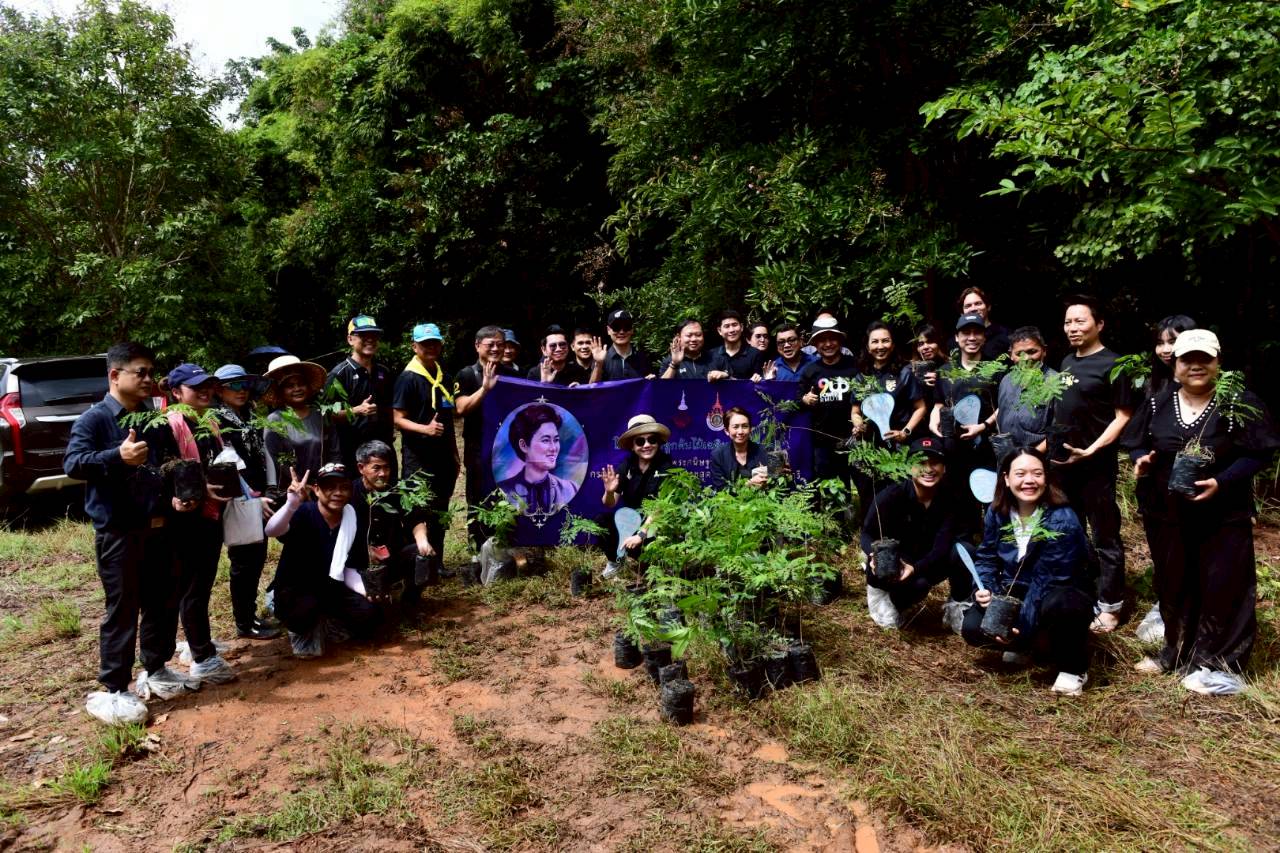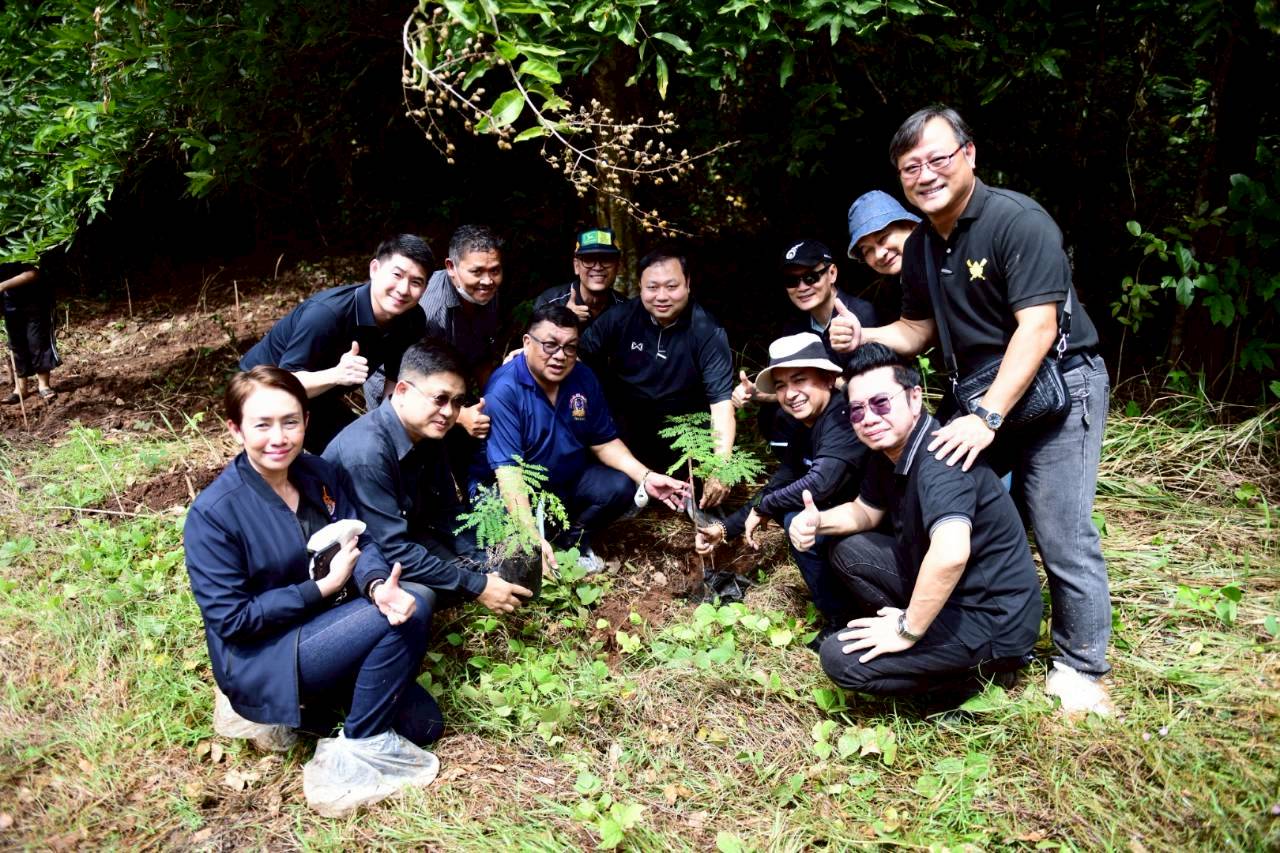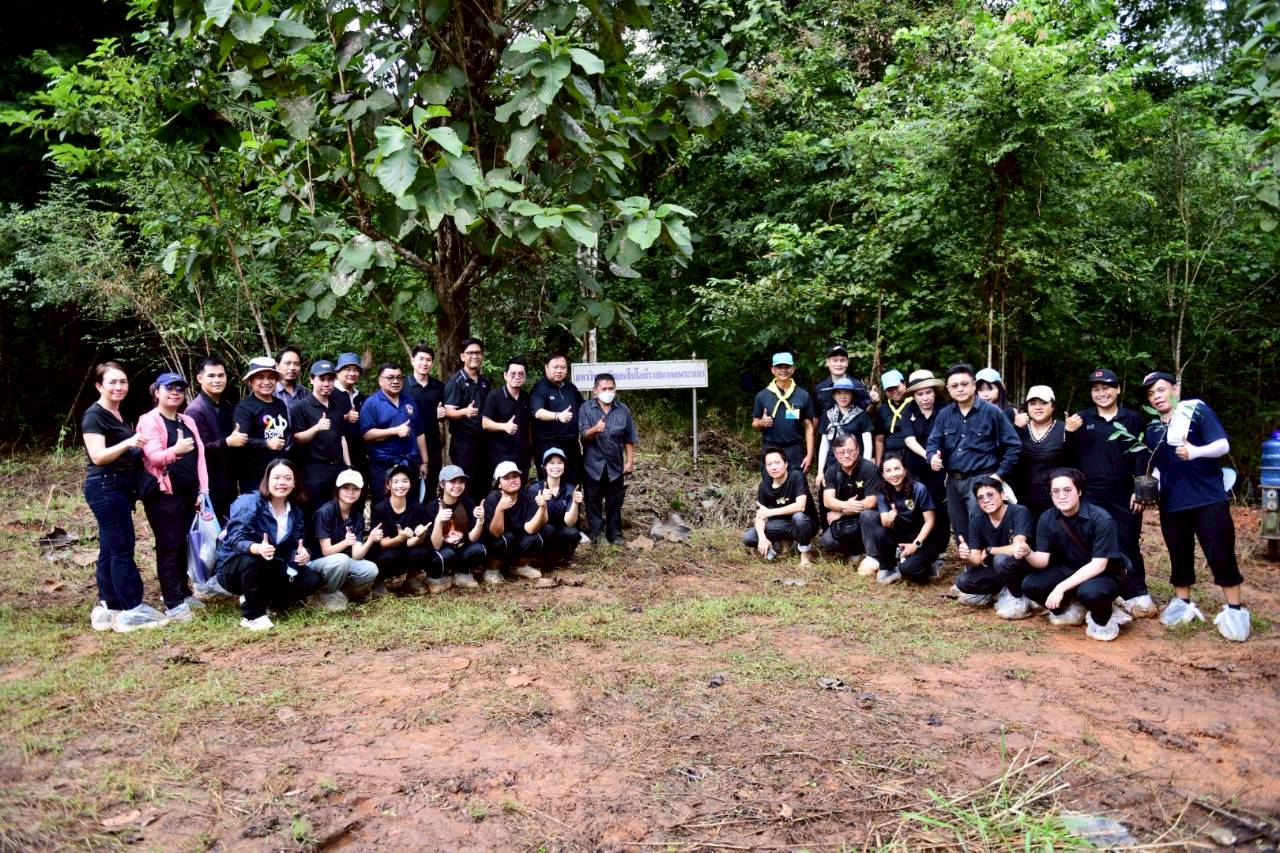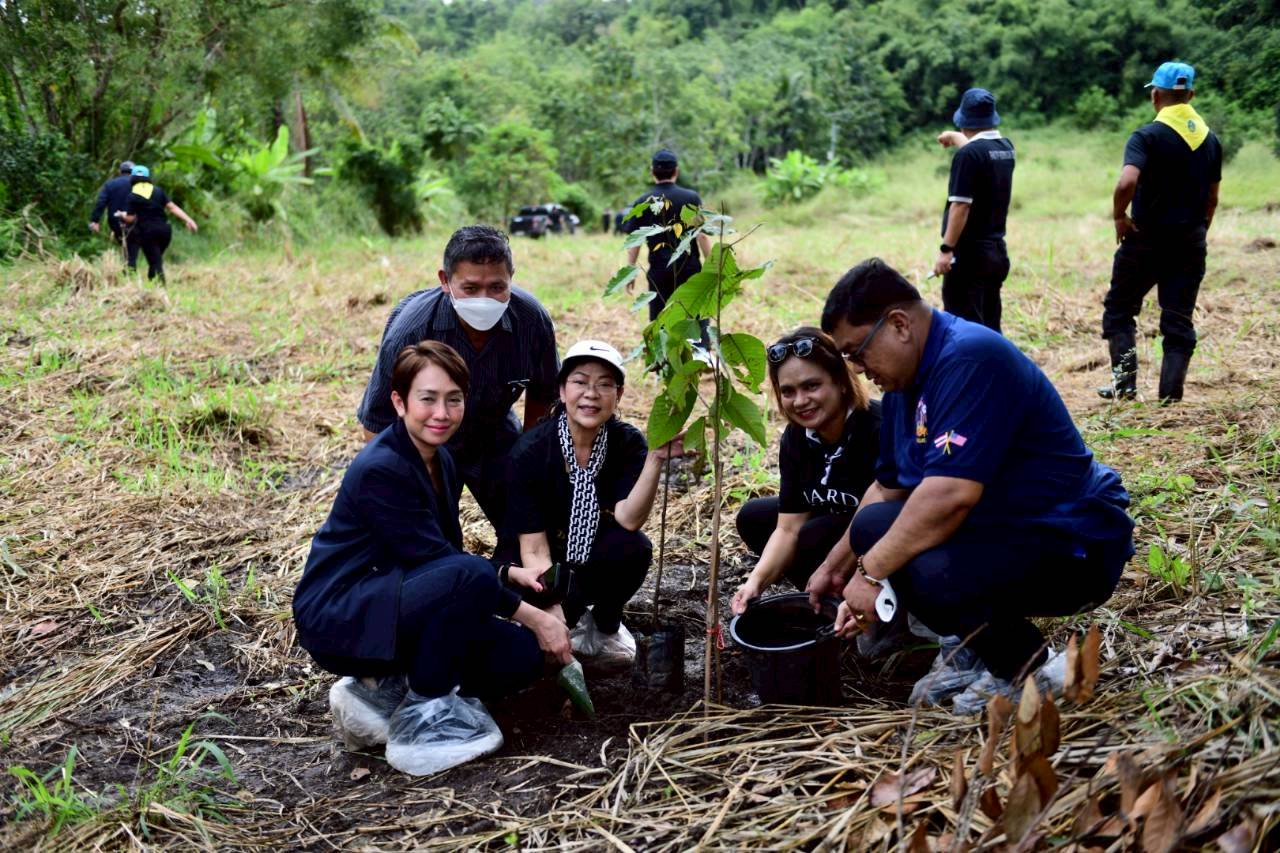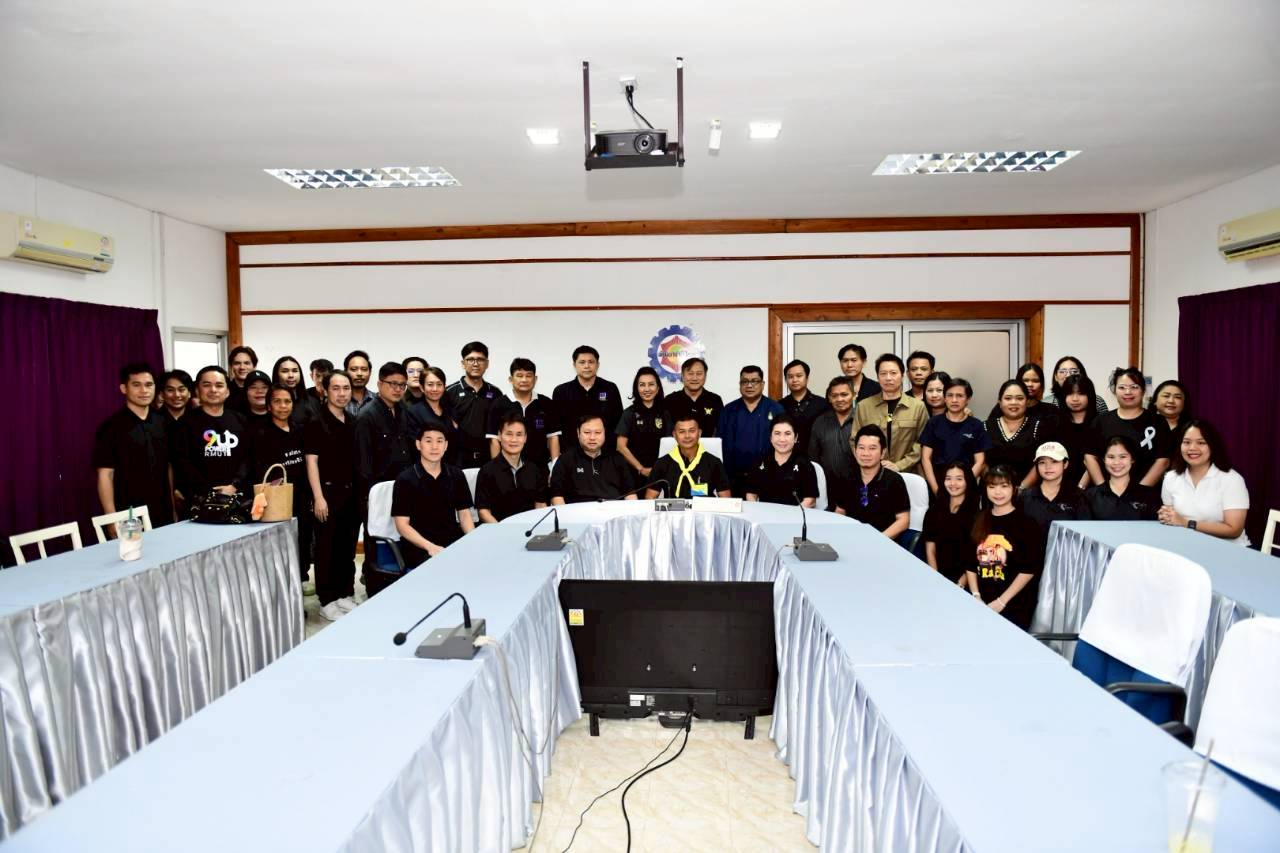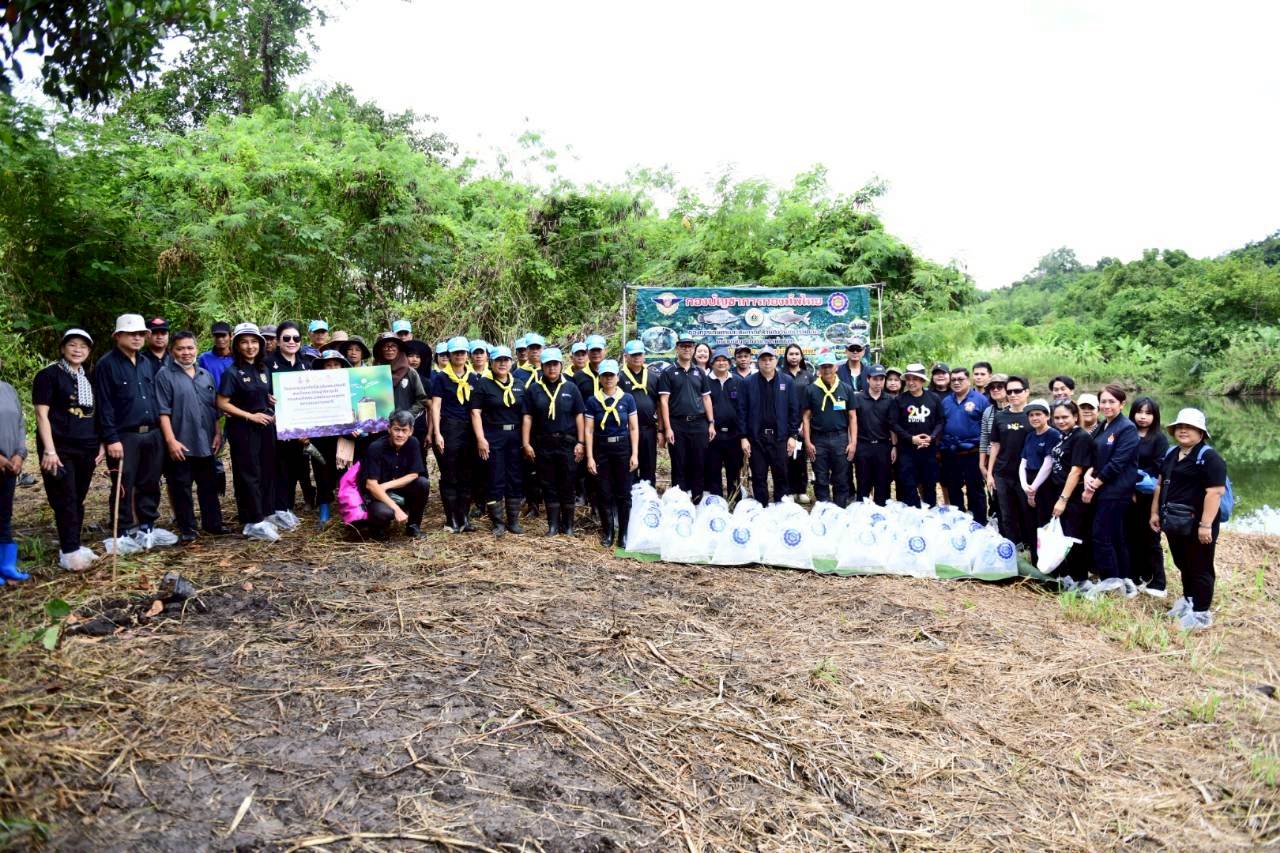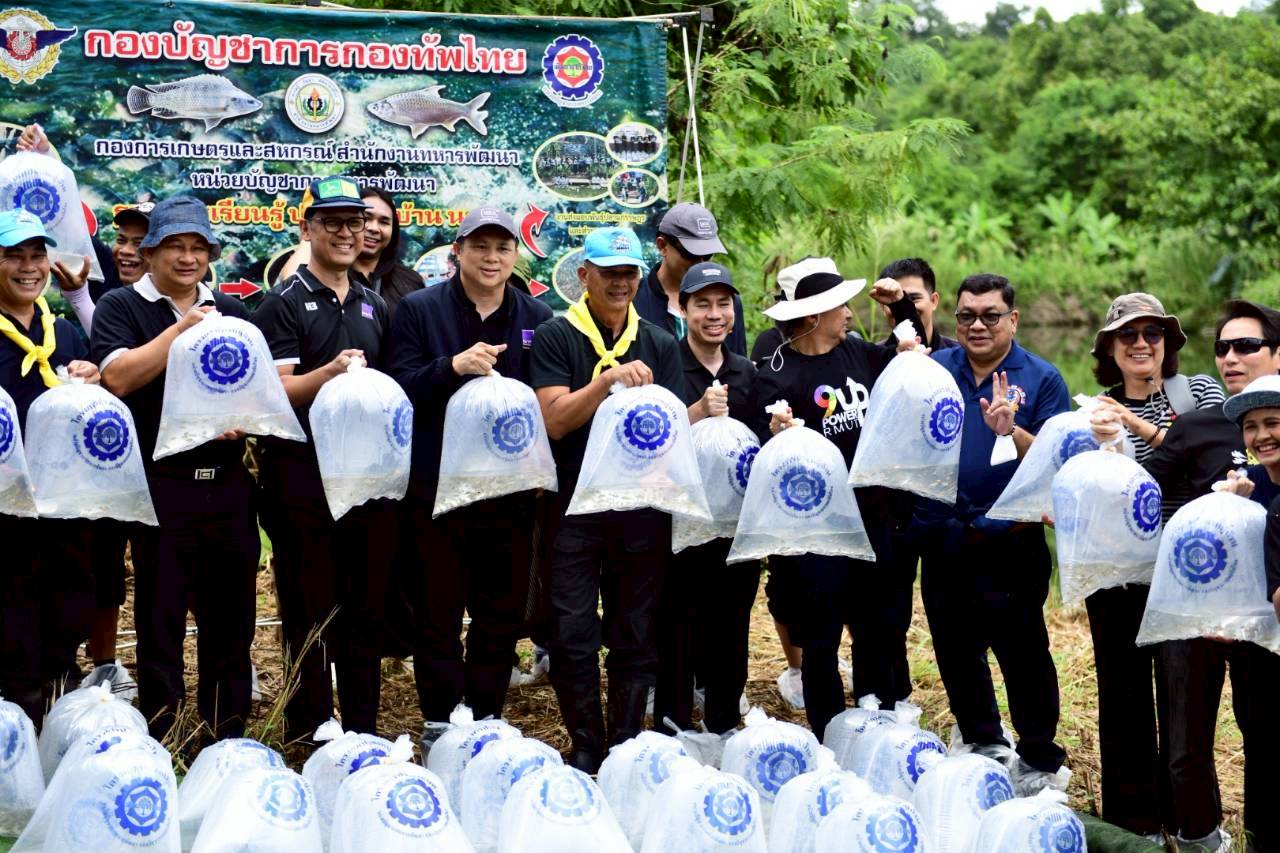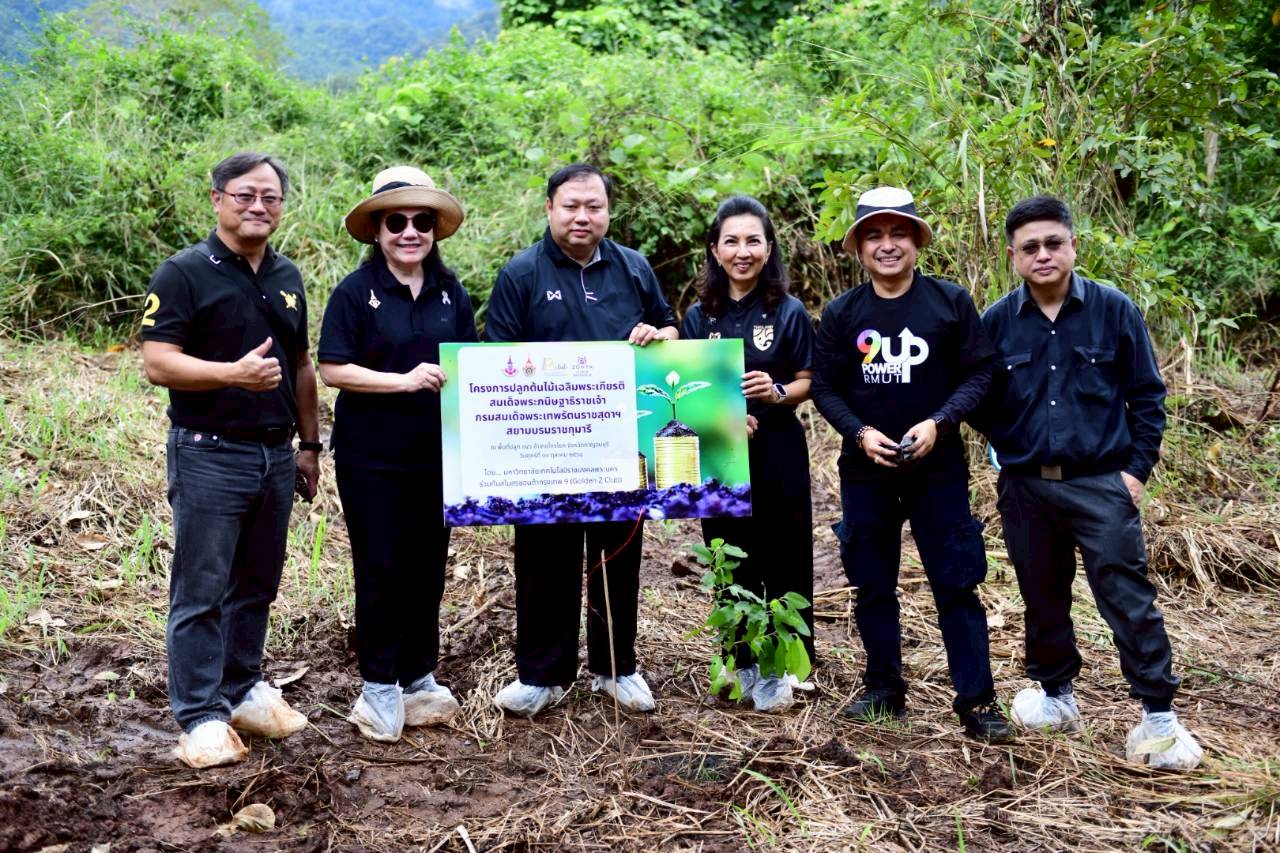
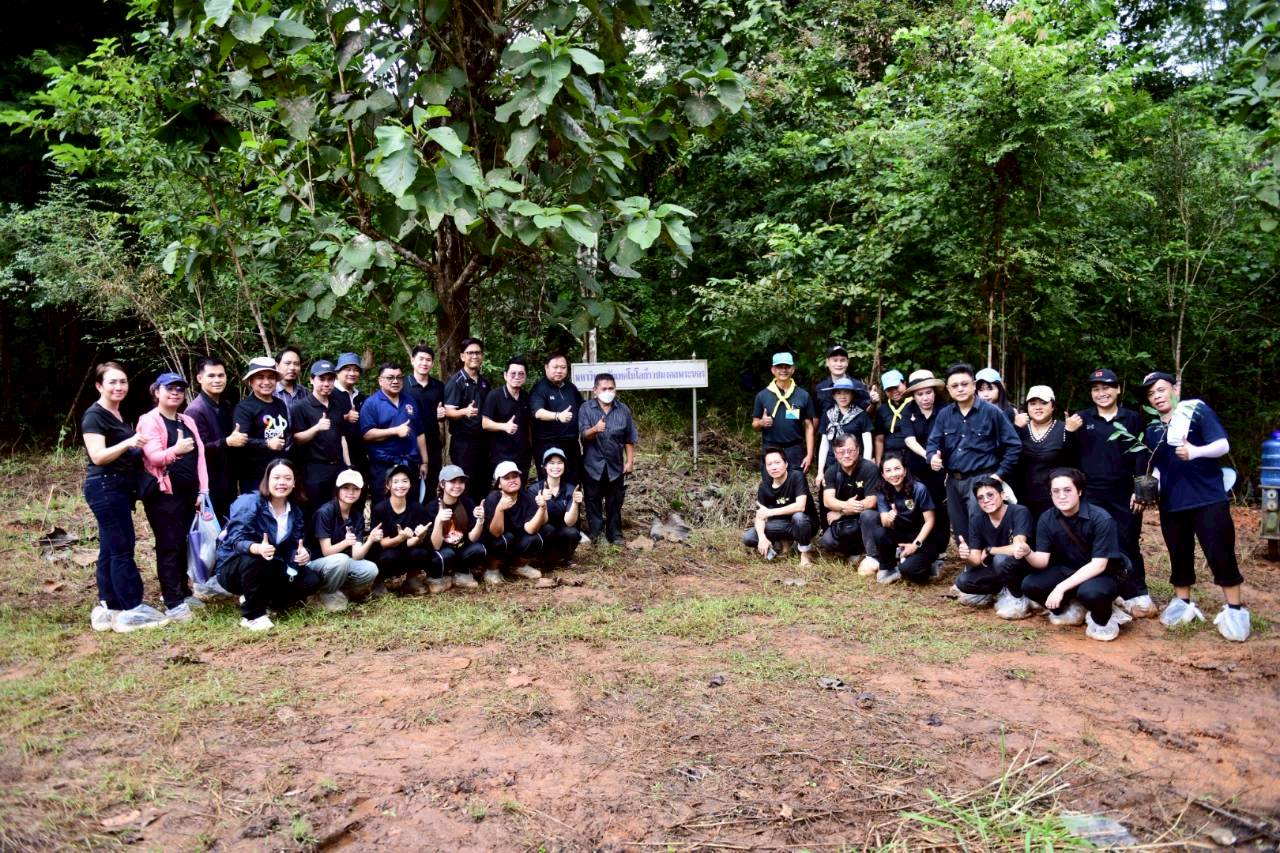
Plot 905 in Sai Yok District, Kanchanaburi Province, is an area where Rajamangala University of Technology Phra Nakhon (RMUTP) has continuously supported the Plant Genetic Conservation Project under the Royal Initiative of Her Royal Highness Princess Maha Chakri Sirindhorn (RSPG) since 2005. On 31 October 2025, RMUTP organized a tree-planting project in honor of Her Royal Highness Princess Maha Chakri Sirindhorn. The event was attended by Dr.Natworapol Rachsiriwatcharabul, President of RMUTP, together with executives, faculty members, staff, and experts, totaling 54 participants, who joined in planting trees at Plot 905 and attending a knowledge session on the background of the area. The lecture was delivered by representatives from the Agriculture and Cooperatives Division, Armed Forces Development Command, Royal Thai Armed Forces Headquarters.
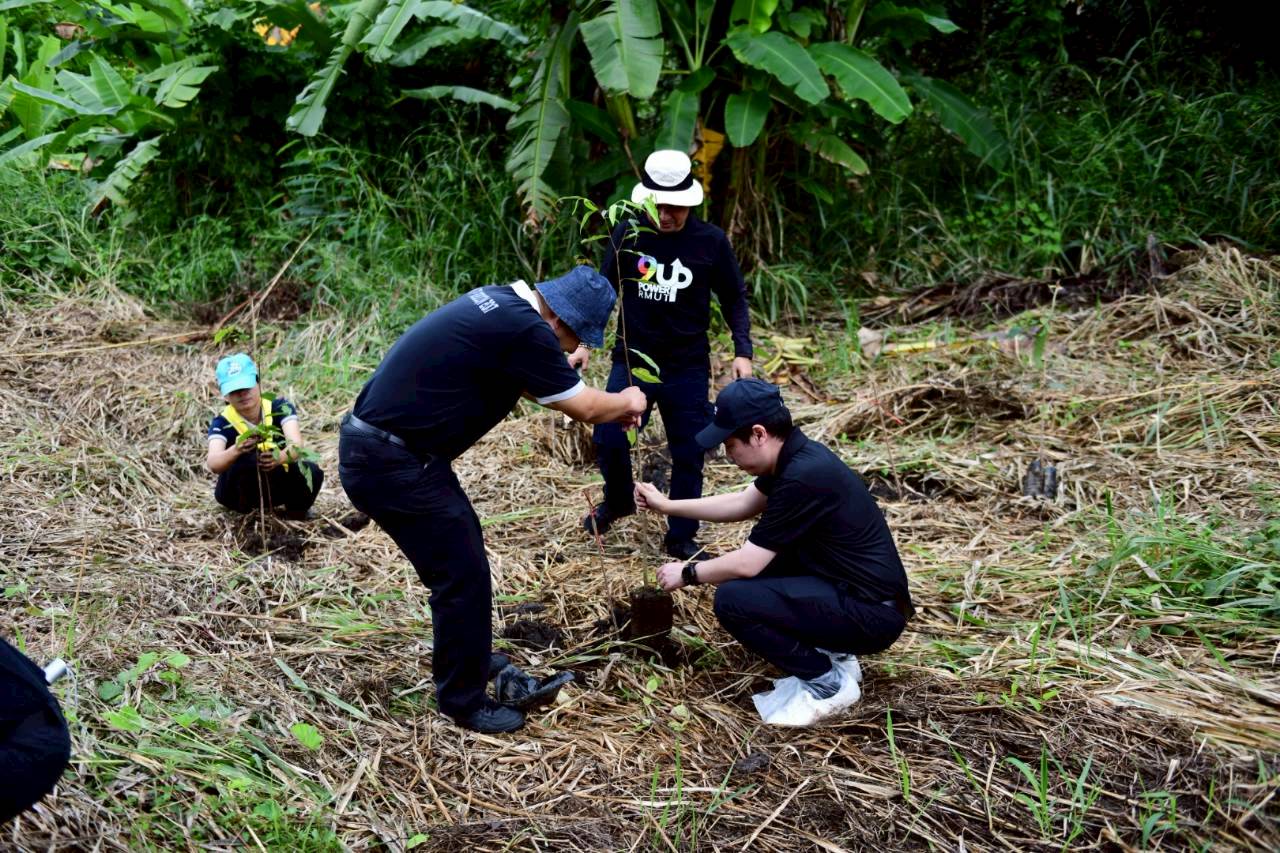
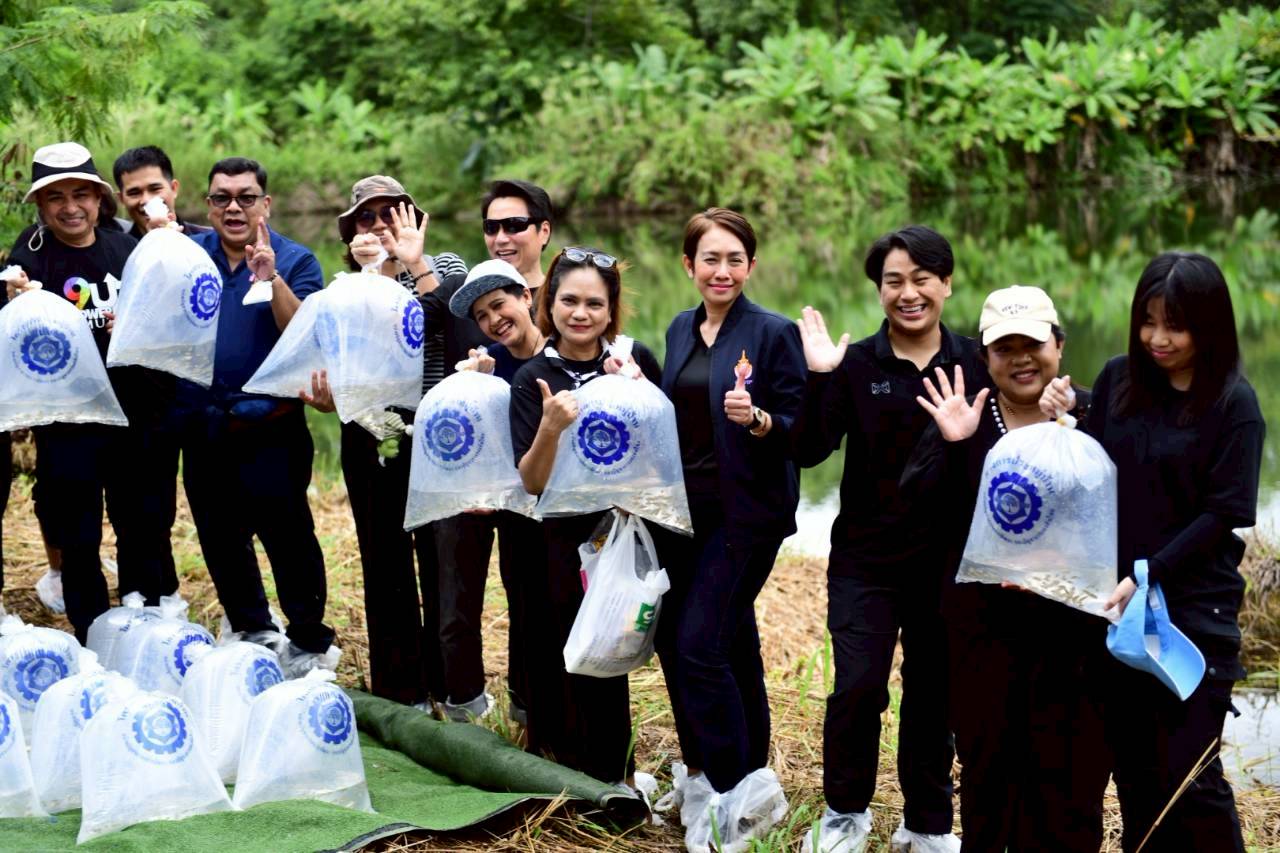
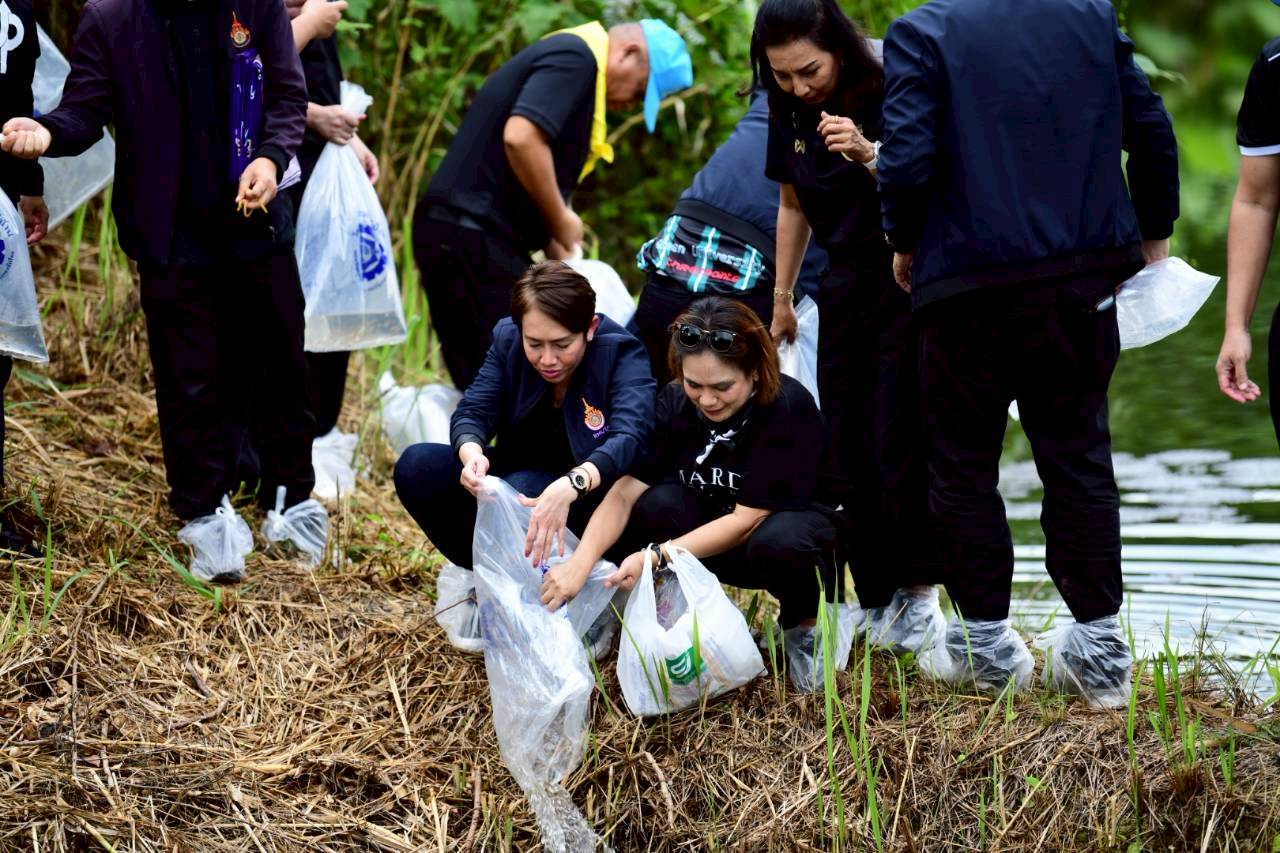
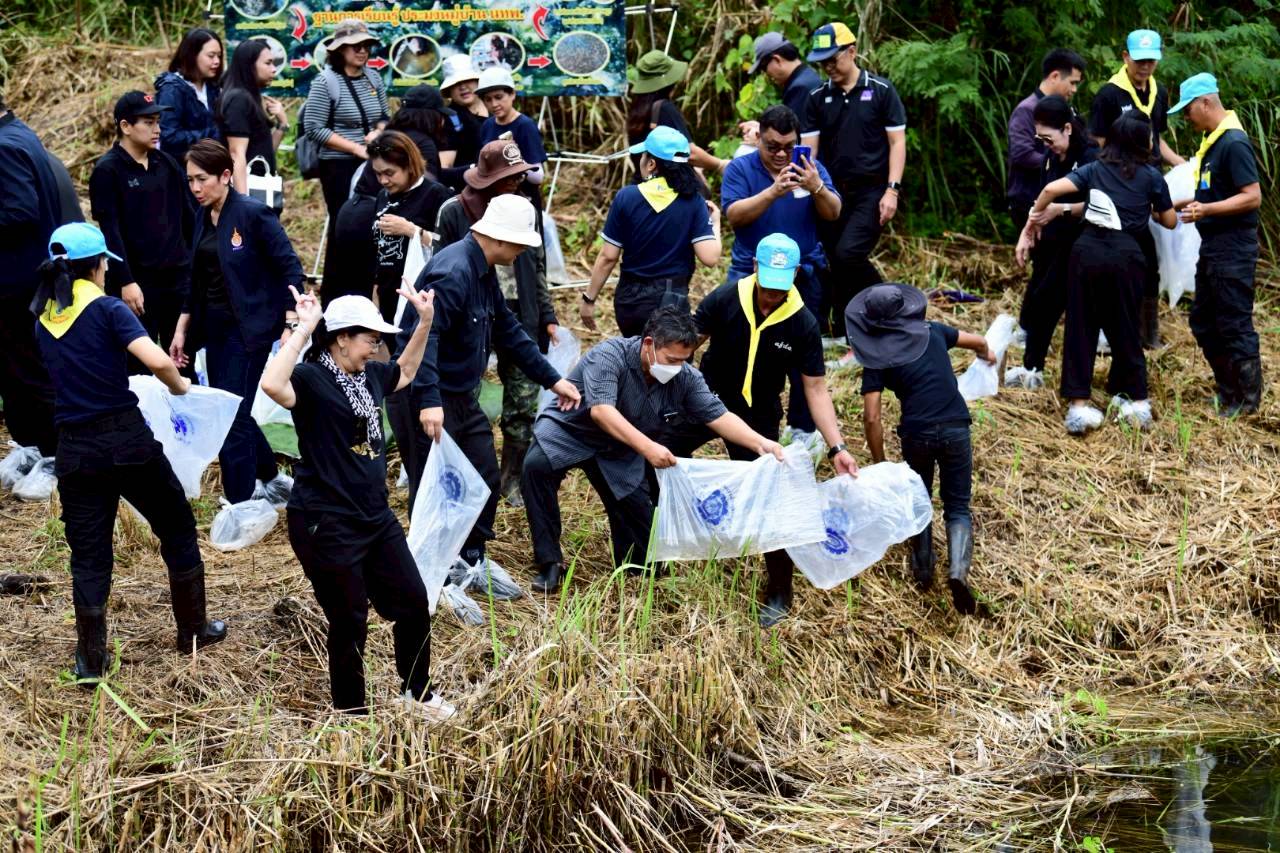
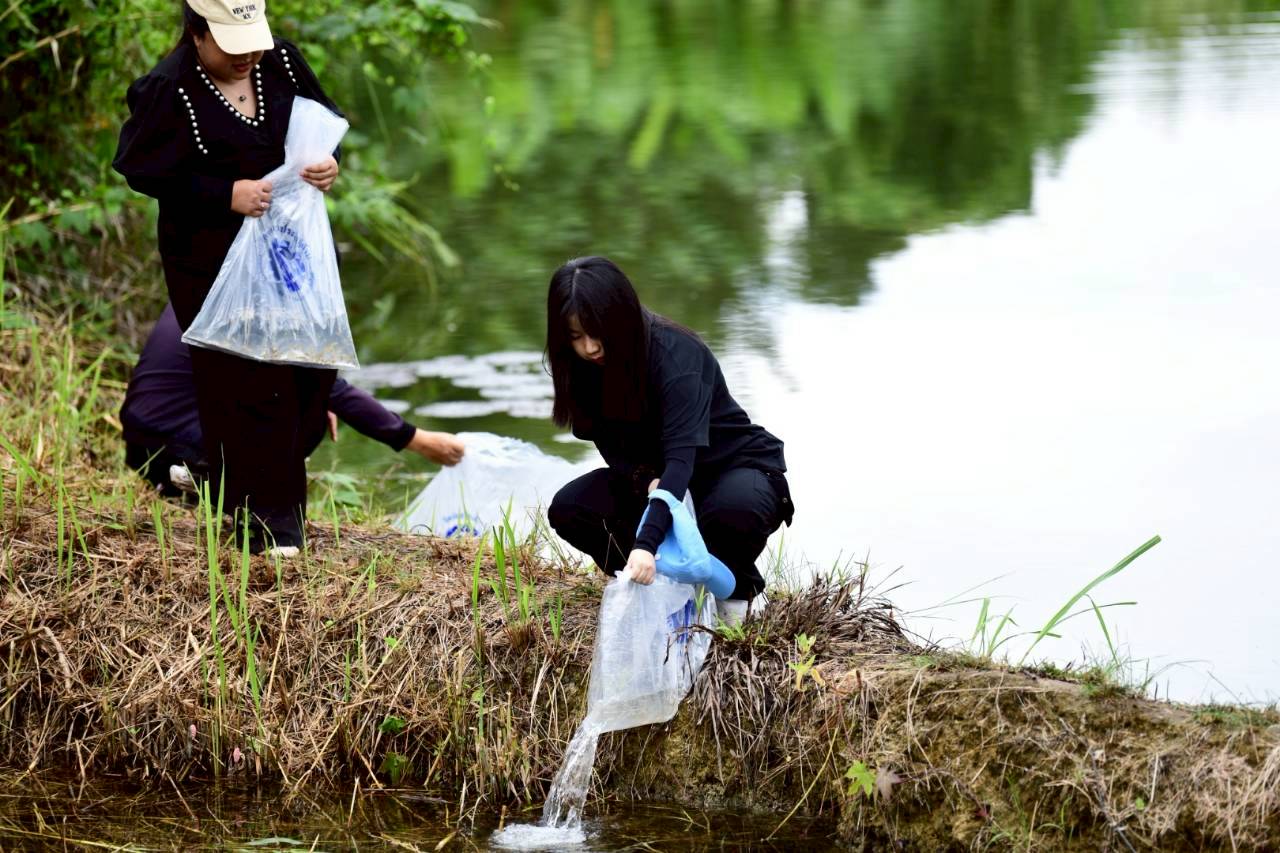
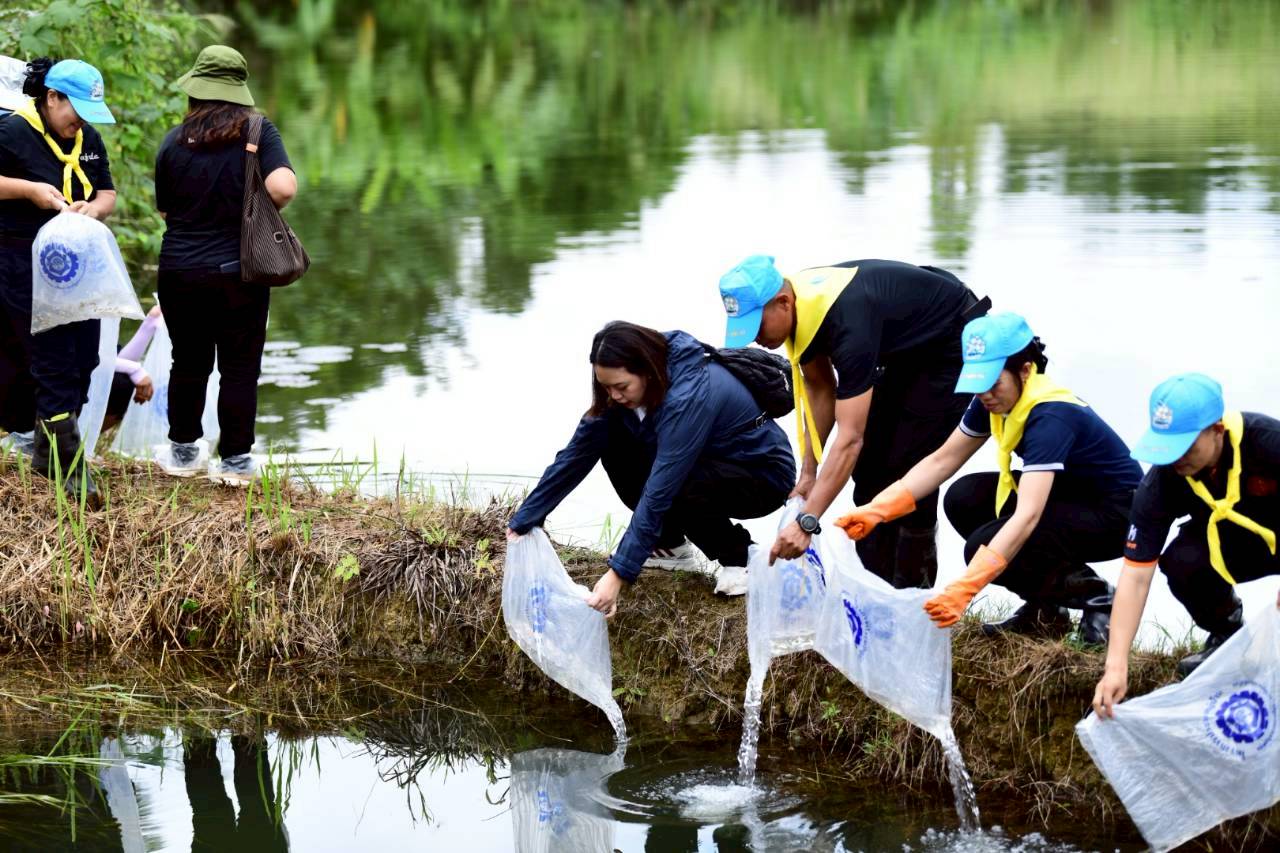
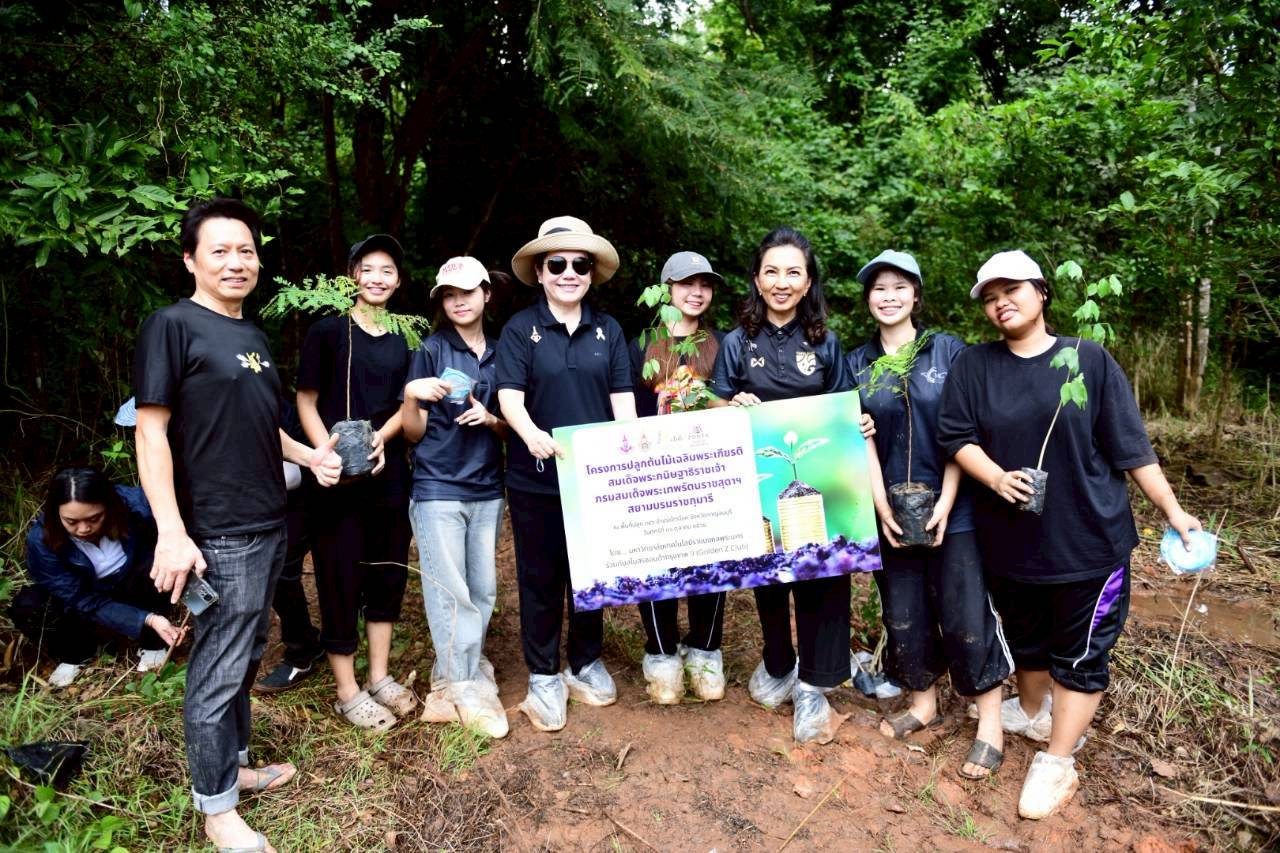
Dr.Natworapol Rachsiriwatcharabul, in his capacity as the event chair, stated that Her Royal Highness Princess Maha Chakri Sirindhorn has continued to uphold the royal aspirations of His Majesty King Bhumibol Adulyadej The Great and Her Majesty Queen Sirikit The Queen Mother in the conservation of plant species and forest resources. In the present day, natural resources continue to face multiple threats, directly impacting ecosystems and the environment. RMUTP has therefore supported and participated in the Plant Genetic Conservation Project under the Royal Initiative to help conserve and restore natural resources, protect the environment, and raise awareness of declining biodiversity and the intensifying effects of global warming—issues that require the cooperation of all sectors to mitigate. During the field activity at Plot 905 in Sai Yok District, Kanchanaburi Province, the university community planted auspicious trees, including 50 Peltophorum pterocarpum (Yellow Poinciana), 30 Syzygium cumini (Java Plum), and 20 Pterocarpus indicus (Narra), and also released aquatic species into natural water sources. This area has ecological suitability and strong potential for the conservation and propagation of rare plant species. It also serves as a public space that can be further developed into a sustainable learning center for natural resources and plant genetic conservation for local communities and youth.