Water (WR)
Table of contents
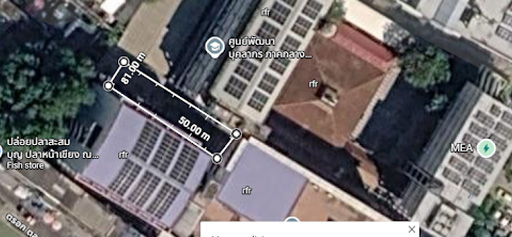
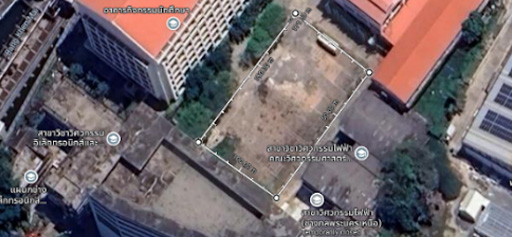
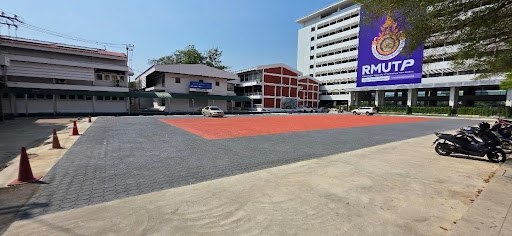
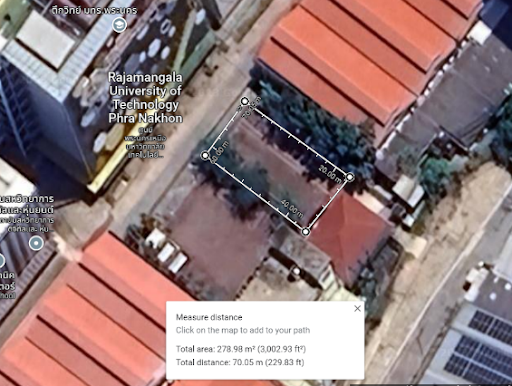
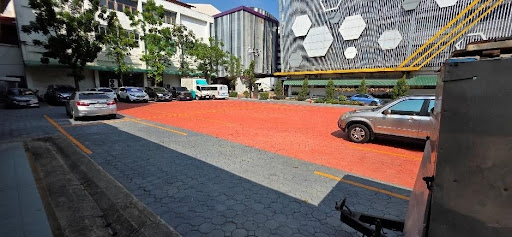
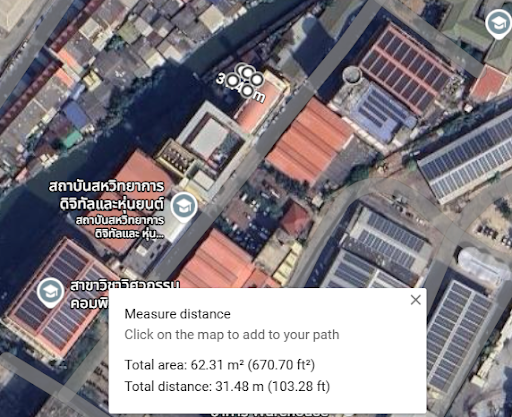
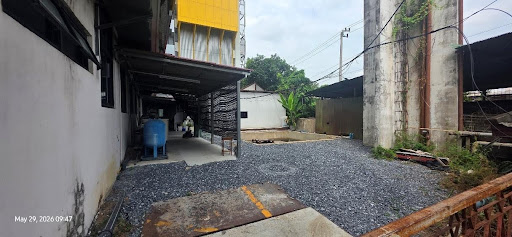
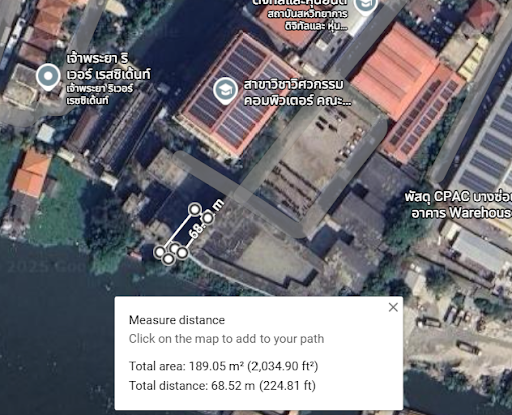
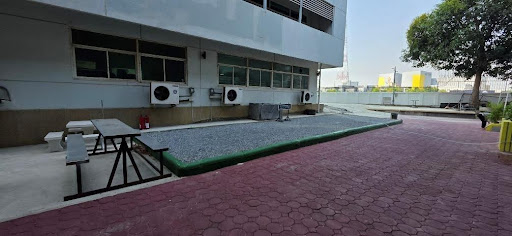
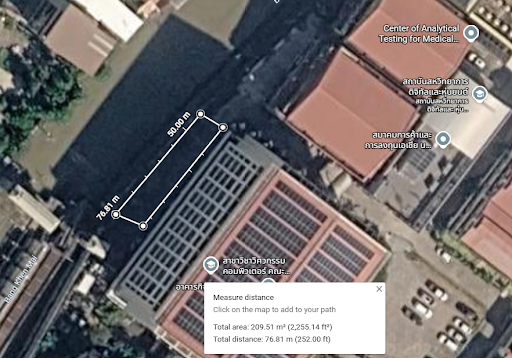
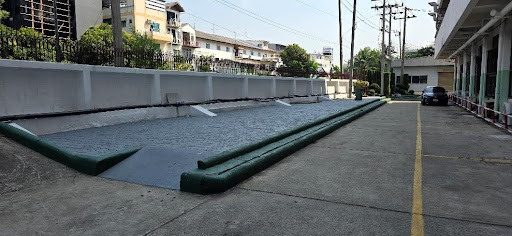
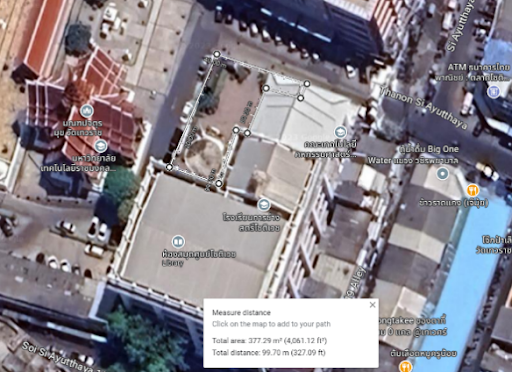
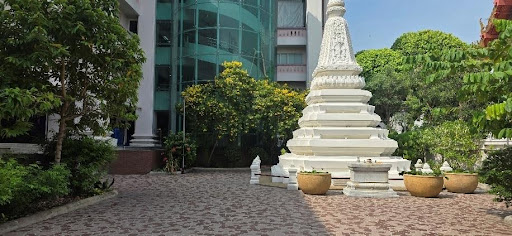
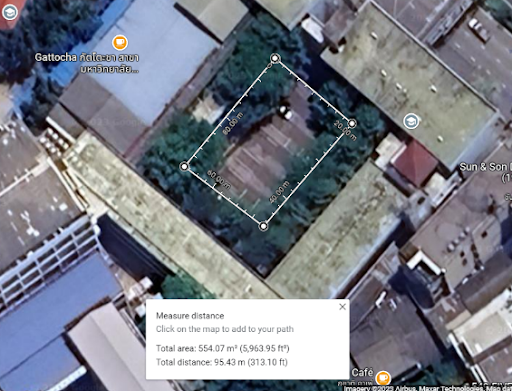
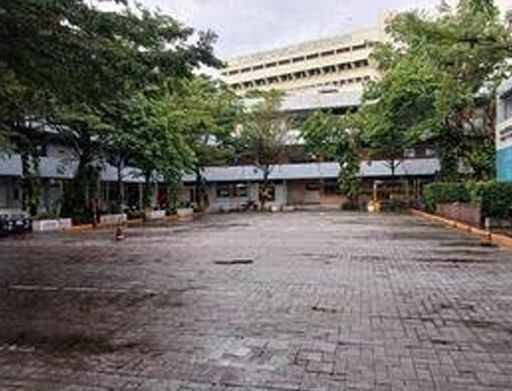
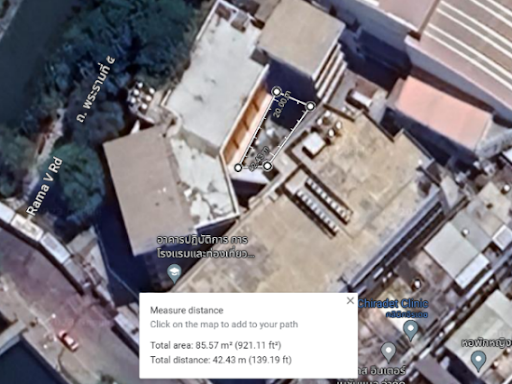
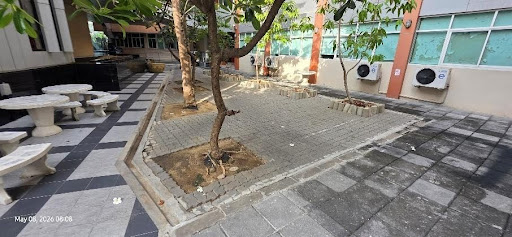
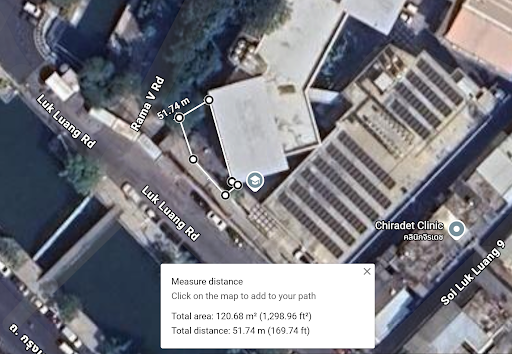
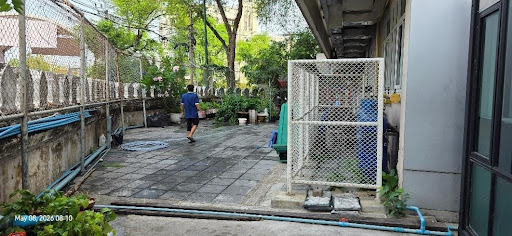
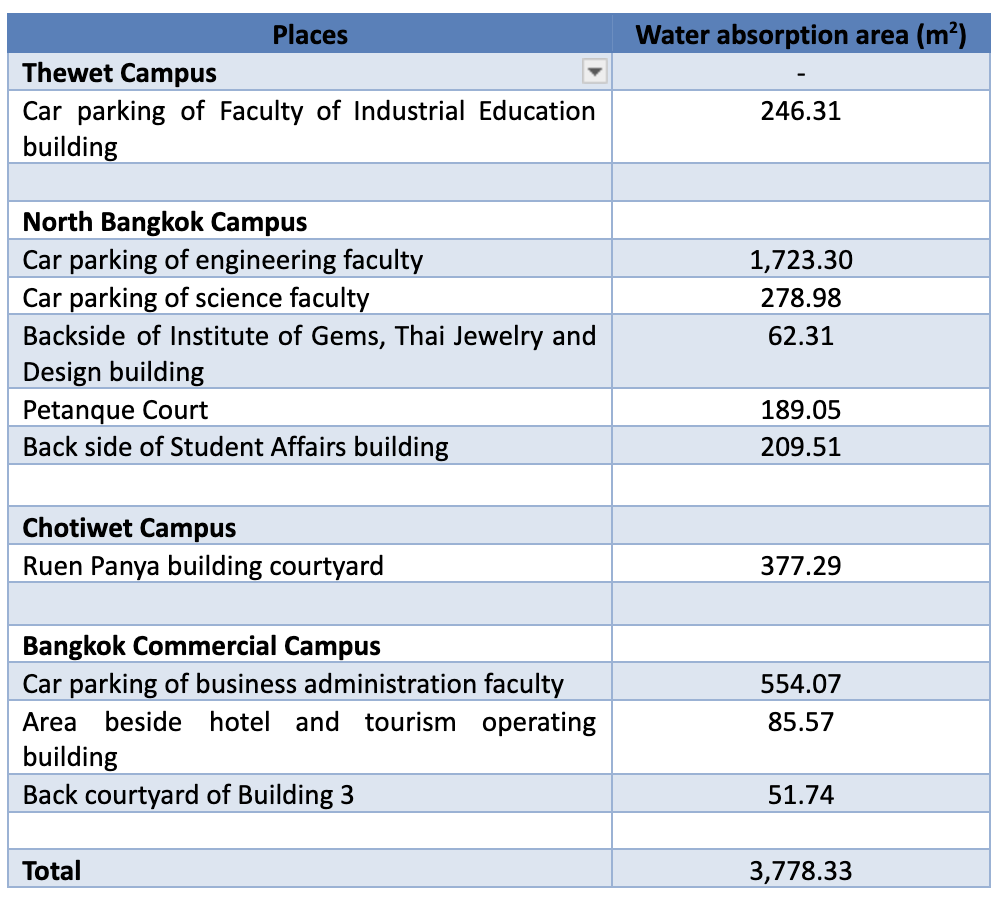
Total area on campus for water absorption besides the forest and planted vegetation (meter2)
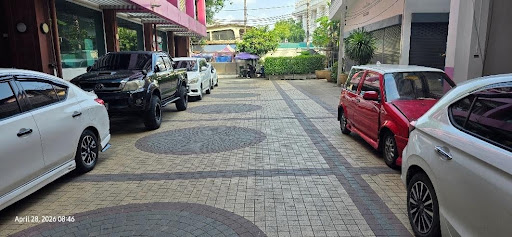
Thewet Campus
Car parking of Faculty of Industrial Education building
North Bangkok campus
Multipurpose filed of engineering faculty
Car parking of science faculty
Backside of Institute of Gems, Thai Jewelry and Design building
Petanque Court
Back side of Student Affairs building
Chotiwet campus
Ruen Panya building courtyard
Bangkok Commercial
Car parking of business administration faculty
Courtyard beside hotel and tourism operating building
Back courtyard of Building 3
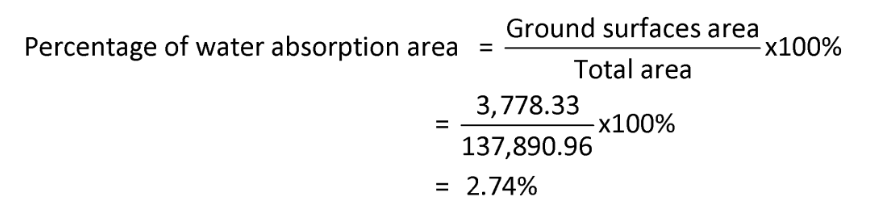
The percentage and water absorption area are shown in the table and calculation below.
Percentage of water absorption area : 2.74%
As of the current reporting year, the total area allocated for water absorption beyond vegetation and forested areas amounts to 3,778.33 square meters, which constitutes 2.74% of RMUTP’s total land area.
Water Conservation Program Implementation (WR.2)
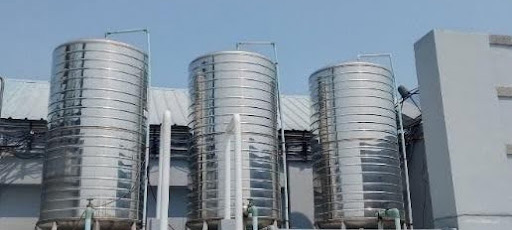
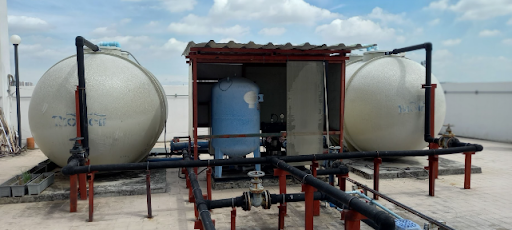
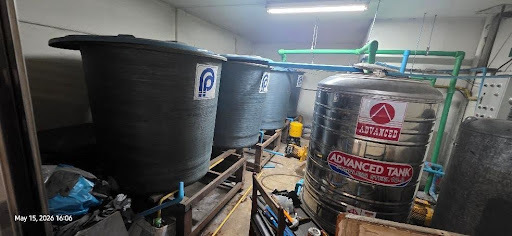
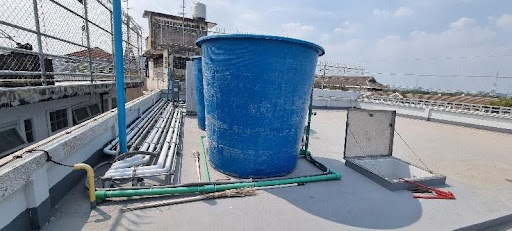
Water storage tanks
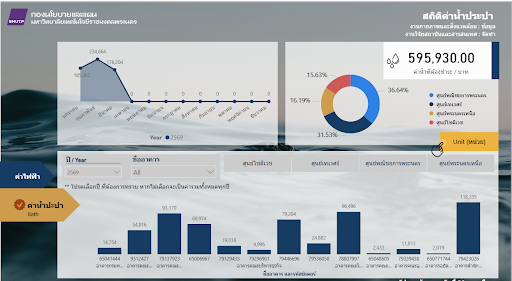
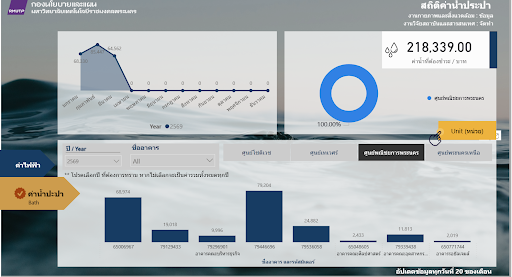
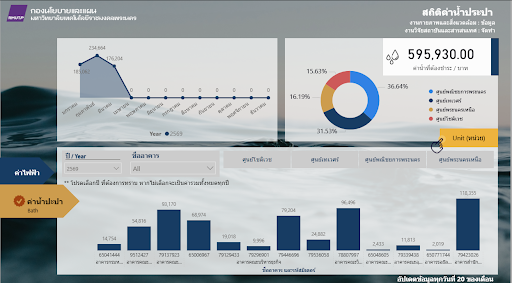
Bill records and monitor water use application
Utilizes available natural water sources at Chom Thong campuses
Rajamangala University of Technology Phra Nakhon (RMUTP) has systematically planned, implemented, monitored, and evaluated water management programs across its campuses. These programs are designed to promote efficient water use, reduce unnecessary water consumption, and support the university’s long-term sustainability goals.
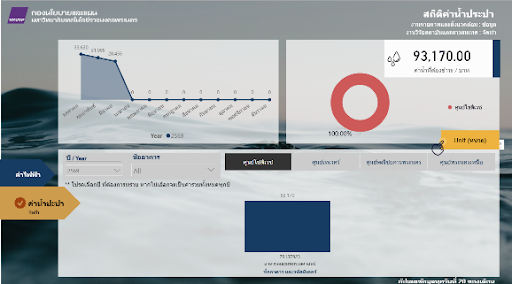
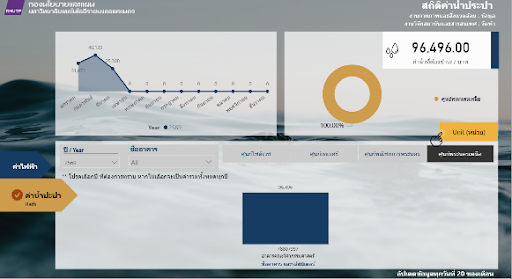
To ensure effective implementation and transparent monitoring, RMUTP regularly collects and analyzes water consumption data, particularly monthly water bill records from each campus. These data are used to monitor water use trends, evaluate conservation performance, identify areas for improvement, and support evidence-based decision-making in water resource management.
Due to the limited physical space of RMUTP’s compact urban campuses, the university is unable to develop large-scale water storage reservoirs or centralized water retention facilities. Therefore, RMUTP applies a practical building-level water storage approach by using water tanks installed in campus buildings. This approach is also consistent with Thai building requirements, which require buildings to provide water storage tanks to ensure sufficient water supply for daily use, emergency needs, and building operation.
In addition, RMUTP promotes the inclusion of water storage tanks and rainwater harvesting considerations in newly constructed and renovated buildings where technically feasible. These systems help improve water-use efficiency, support water conservation, and reduce pressure on municipal water supplies.
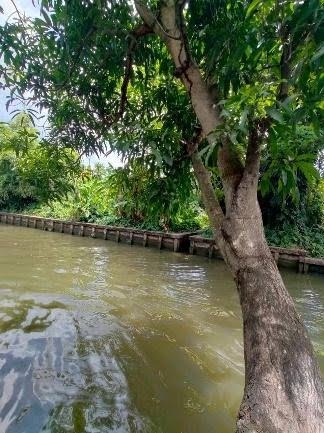
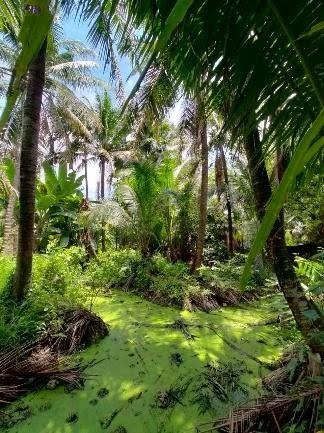
RMUTP also utilizes available natural water sources, such as nearby rivers and canals, for irrigation purposes, particularly at the Chom Thong campuses. This practice helps maintain campus green spaces while conserving treated water for essential domestic, academic, and operational uses.
Water Recycling Program Implementation (WR.2)
Based on our location, Rajamangala University of Technology Phra Nakhon does not focus on water recycling.
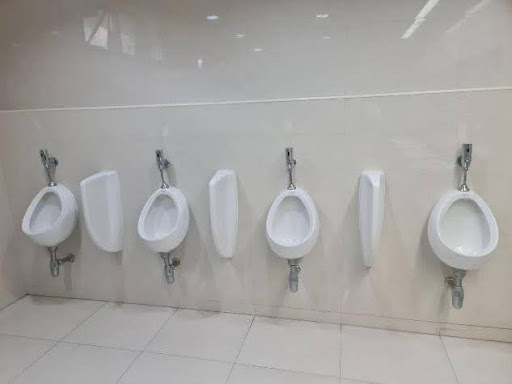
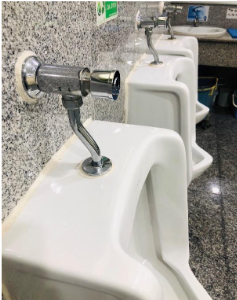
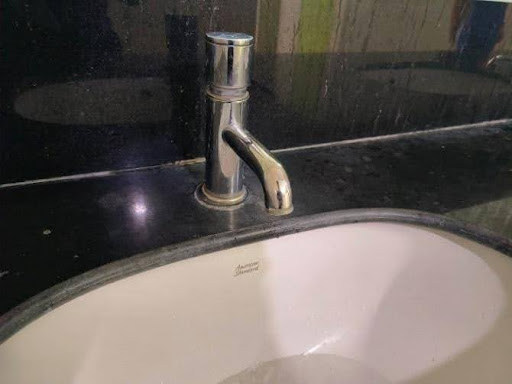
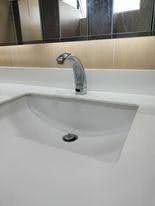
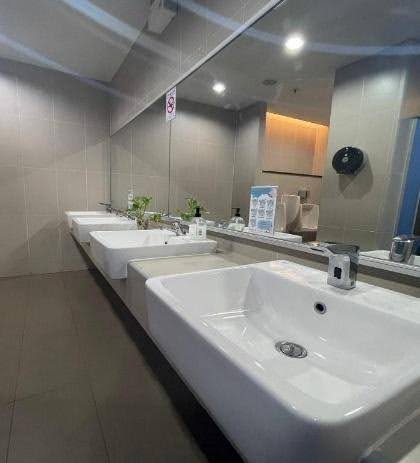
Water Efficient Appliances Usage (e.g. hand washing taps, toilet flush, etc.)
Automatic toilet flushers
Automatic washbasin taps
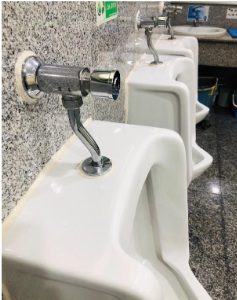
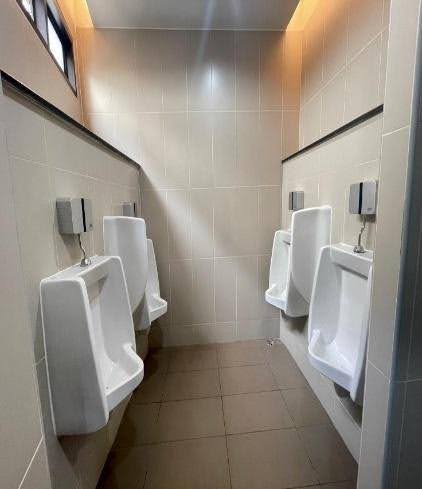
Water efficient appliances include automatic on/off and auto-stop pushing flushers and taps.
Rajamangala University of Technology Phra Nakhon (RMUTP) has continued to maintain its water efficiency improvement measures across all campuses. The university previously implemented water-saving appliances and water-efficient fixtures as part of its sustainable water management approach, including automatic or sensor-based faucets, high-efficiency flushing systems for toilets and urinals, and other water-saving devices in campus buildings.
In the current reporting year, the information remains unchanged from the previous year. No major additional replacement or expansion of water-saving appliances was undertaken during this period. However, the existing water-saving systems remain in operation and continue to support water conservation, cost reduction, and efficient water use across the university.
In addition, RMUTP continues to require that new buildings and renovation projects incorporate water-saving features as part of standard design considerations. This ensures that water efficiency remains integrated into the university’s long-term campus development and sustainability practices.
Consumption of treated water (WR.4)
Description:
Rajamangala University of Technology Phra Nakhon (RMUTP) does not currently operate an on-campus water treatment system for producing treated water for internal consumption. Due to the university’s compact campus areas and location in the dense urban center of Bangkok, it is not practical to construct large-scale water treatment facilities, reservoirs, or centralized water treatment infrastructure within the campuses.
Water pollution control in campus area (WR.5)
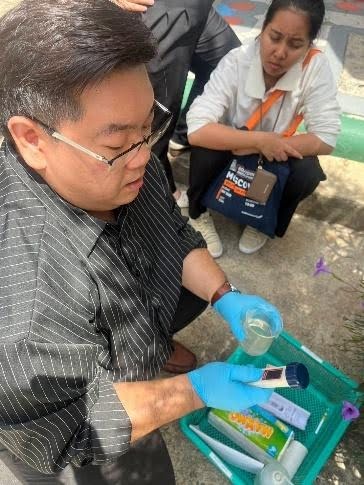
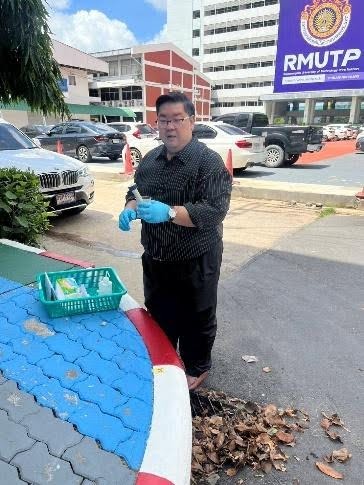
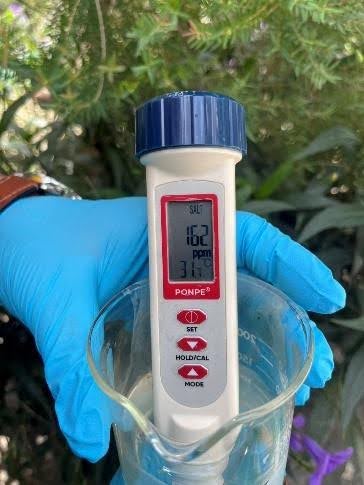
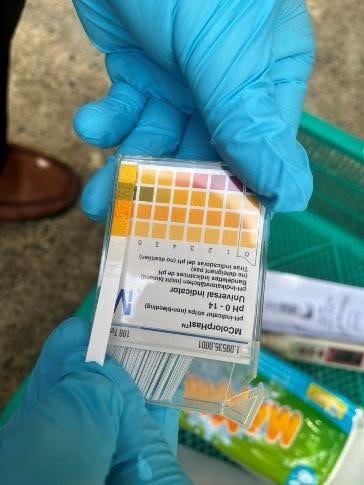
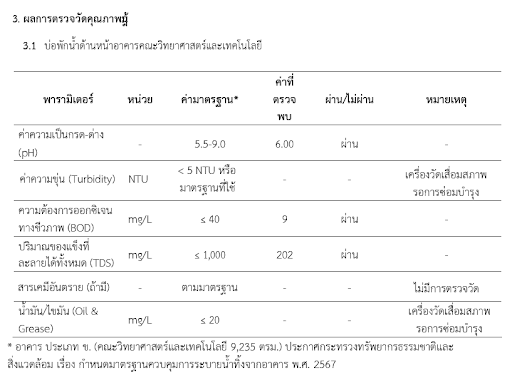
Example of water monitoring
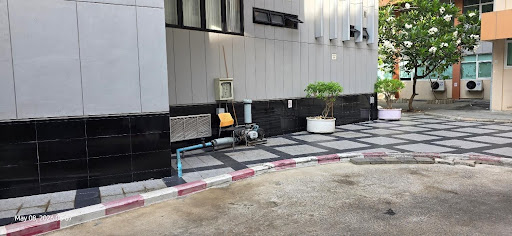
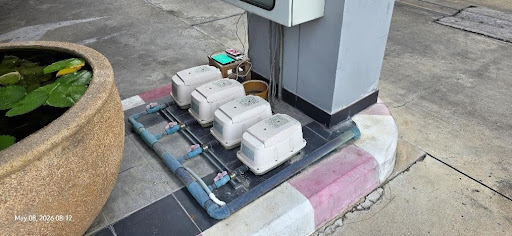
Example for water treatment (Aeration equipment,septic tank and water treatment system)
Description:
Rajamangala University of Technology Phra Nakhon (RMUTP) has implemented water pollution control policies and programs across all campuses to prevent contaminated water from being discharged into public drainage systems and the surrounding environment. The program covers key potential sources of water pollution, including stormwater runoff, laboratory wastewater containing hazardous chemicals, wastewater from academic and administrative buildings, and drainage areas that may be affected by pollutants such as oil and grease from parking areas.
In accordance with Thai standard building requirements, all university buildings are required to have wastewater treatment tanks or on-site wastewater treatment systems before wastewater is discharged into public drainage systems. These systems are installed to reduce pollutants and ensure that wastewater from campus buildings is properly treated before release. This requirement supports RMUTP’s commitment to responsible wastewater management and environmental protection.
Water pollution prevention measures are also incorporated into the planning, construction, and renovation of university buildings. New buildings and renovated facilities are required to consider appropriate wastewater treatment, drainage control, and pollution prevention systems as part of their infrastructure design. These measures help minimize the risk of untreated wastewater, chemical contamination, and polluted runoff entering public waterways.
In addition, water quality monitoring is conducted with support from the Faculty of Science and Technology. The monitoring focuses on relevant physical, chemical, and biological water quality parameters. Strategic monitoring points are selected to assess wastewater and drainage quality, and the results are analyzed and reported to support environmental safety, regulatory compliance, and continuous improvement of campus water management.
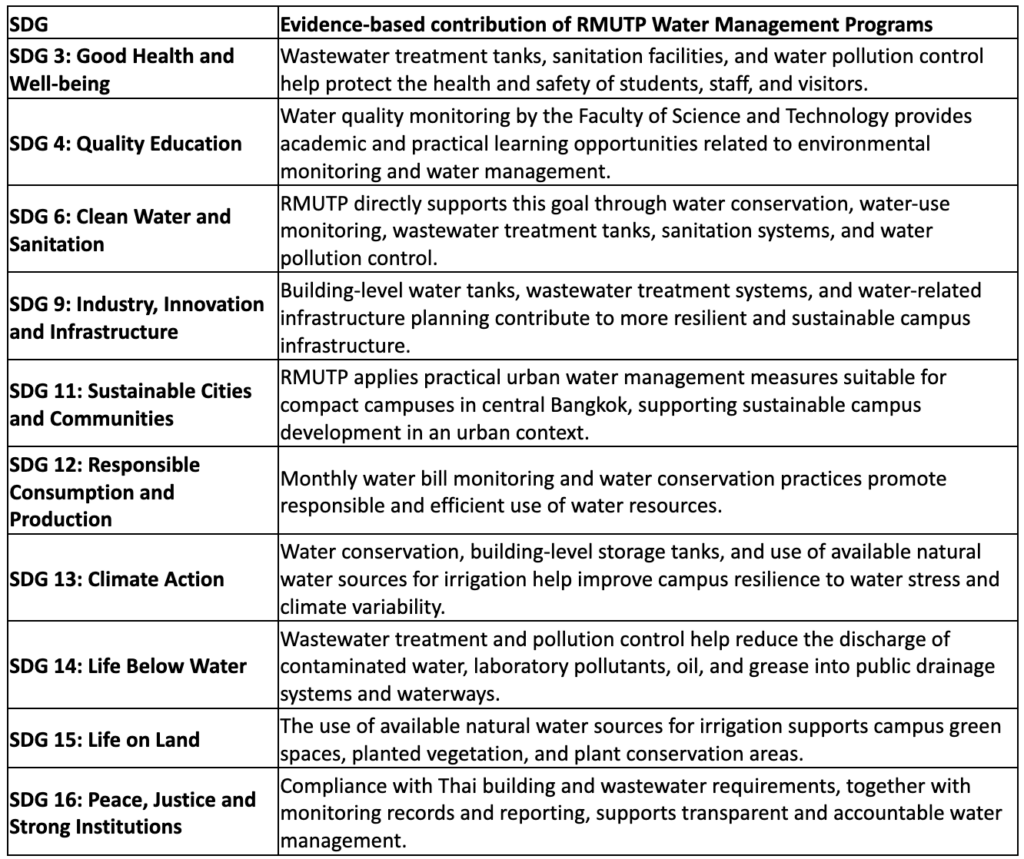
Impact of Water Management programs in supporting the Sustainable Development Goals (SDGs)
Waste water quality monitoring
Dashboard water used monitoring
Description:
Rajamangala University of Technology Phra Nakhon (RMUTP) has implemented practical water management programs that support sustainable campus operations within the limitations of its compact urban campuses in Bangkok. The university’s water management approach focuses on water conservation, water-use monitoring, building-level water storage, wastewater treatment, water pollution control, and water quality monitoring.
RMUTP regularly collects and analyzes monthly water bill data from its campuses to monitor water consumption trends and support evidence-based decision-making. Due to limited land availability in urban campus areas, the university is unable to construct large-scale reservoirs or centralized water storage facilities. therefore, RMUTP applies a building-level water storage approach through water tanks installed in campus buildings, which is also consistent with Thai building requirements.
In addition, all university buildings are required to have wastewater treatment tanks or on-site wastewater treatment systems before wastewater is discharged into public drainage systems. This helps reduce the risk of untreated wastewater entering public waterways. RMUTP also implements pollution control measures for potential sources of contamination, including wastewater from buildings, laboratory wastewater, stormwater runoff, and pollutants such as oil and grease from parking areas.
Water quality monitoring is conducted with support from the Faculty of Science and Technology, focusing on physical, chemical, and biological parameters. The monitoring results are used to support environmental safety, regulatory compliance, and continuous improvement of campus water management.
RMUTP also utilizes available natural water sources, such as nearby rivers or canals, for irrigation purposes in selected areas, particularly at the Chom Thong campuses. This practice helps maintain green spaces while reducing the use of treated water for non-essential purposes.
Based on these actual programs and available evidence, RMUTP’s Water Management programs directly support 10 SDGs, including SDGs 3, 4, 6, 9, 11, 12, 13, 14, 15, and 16.