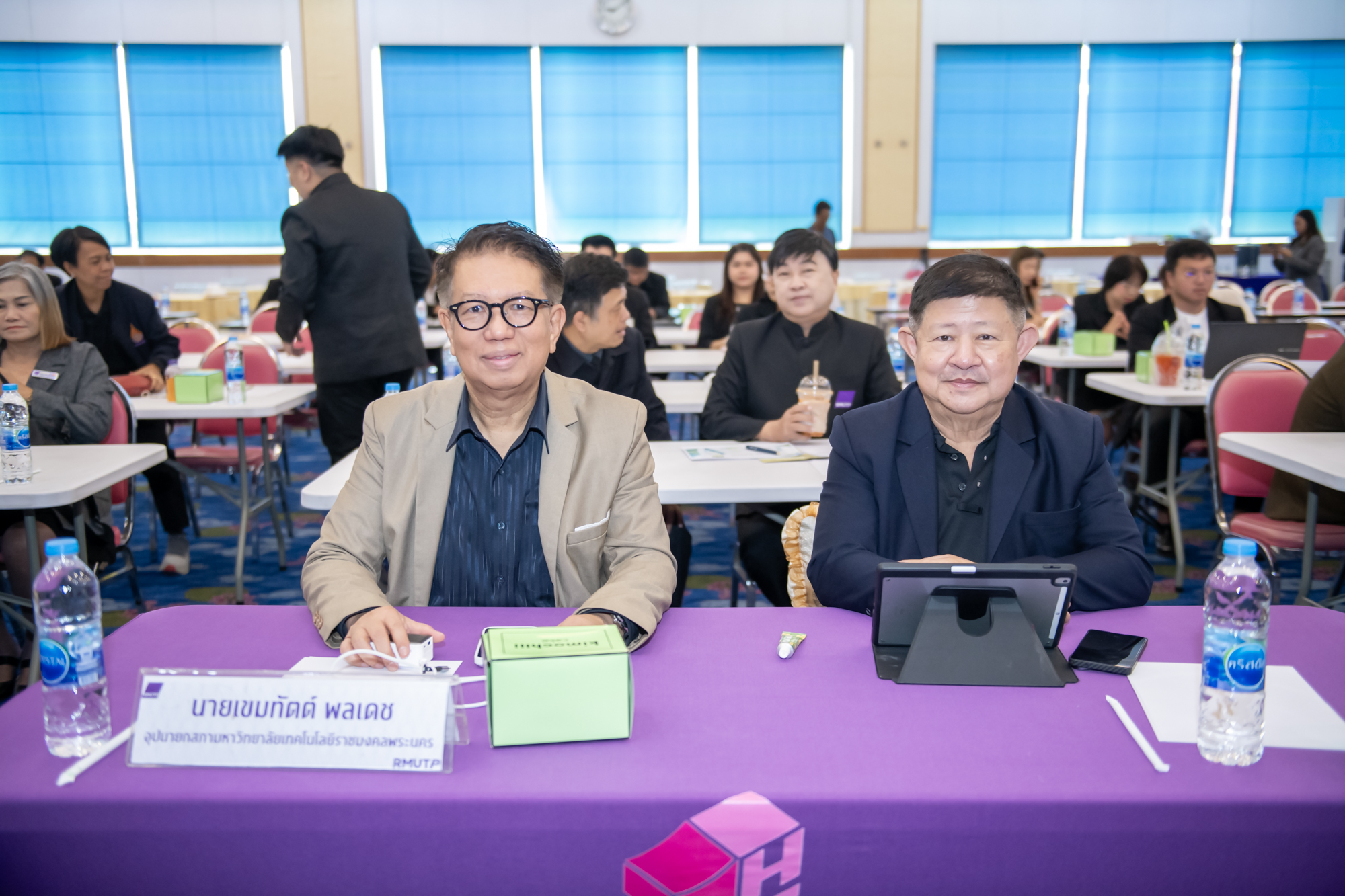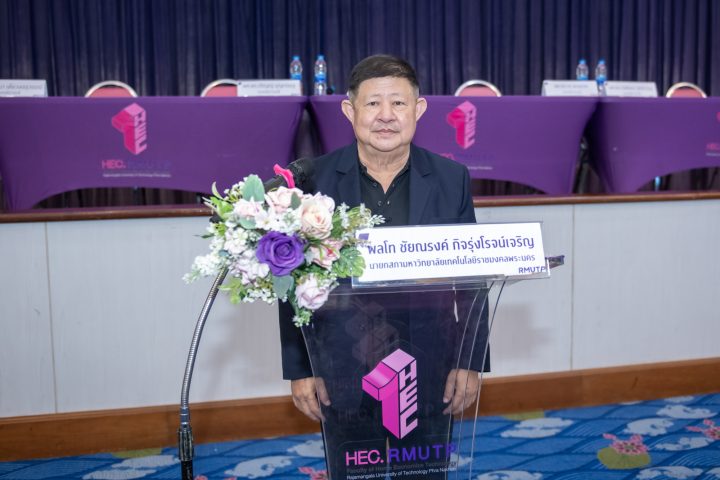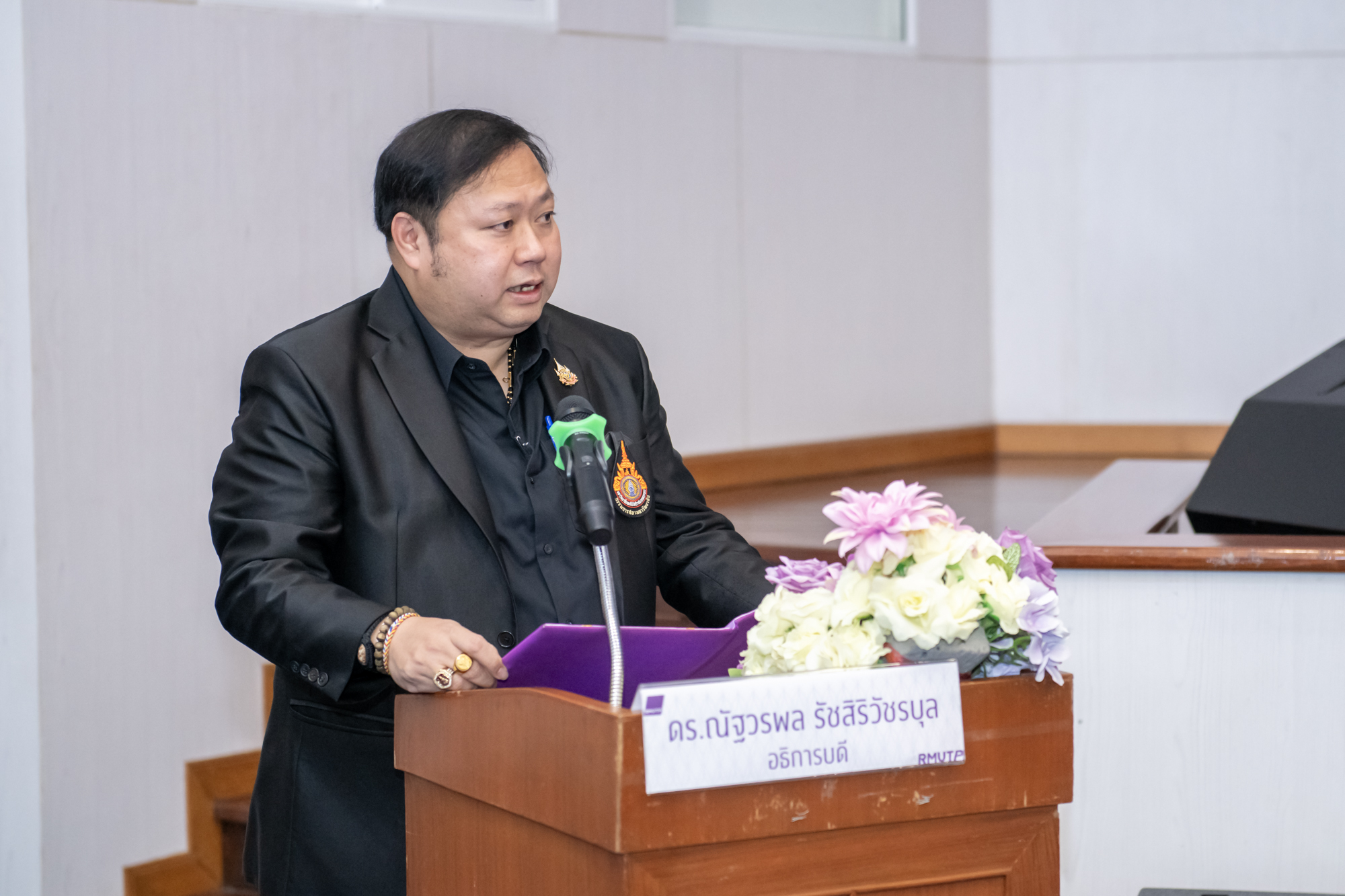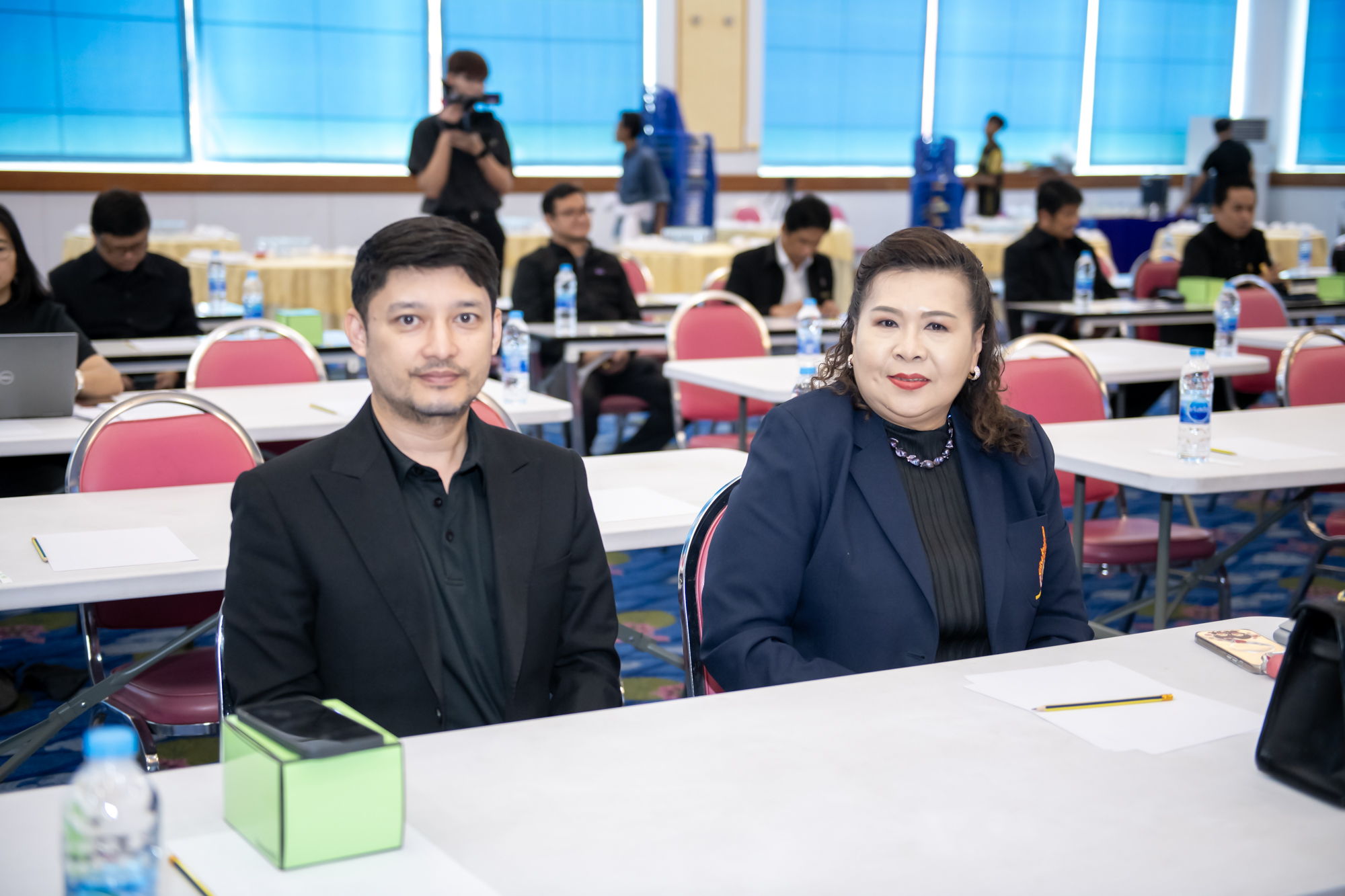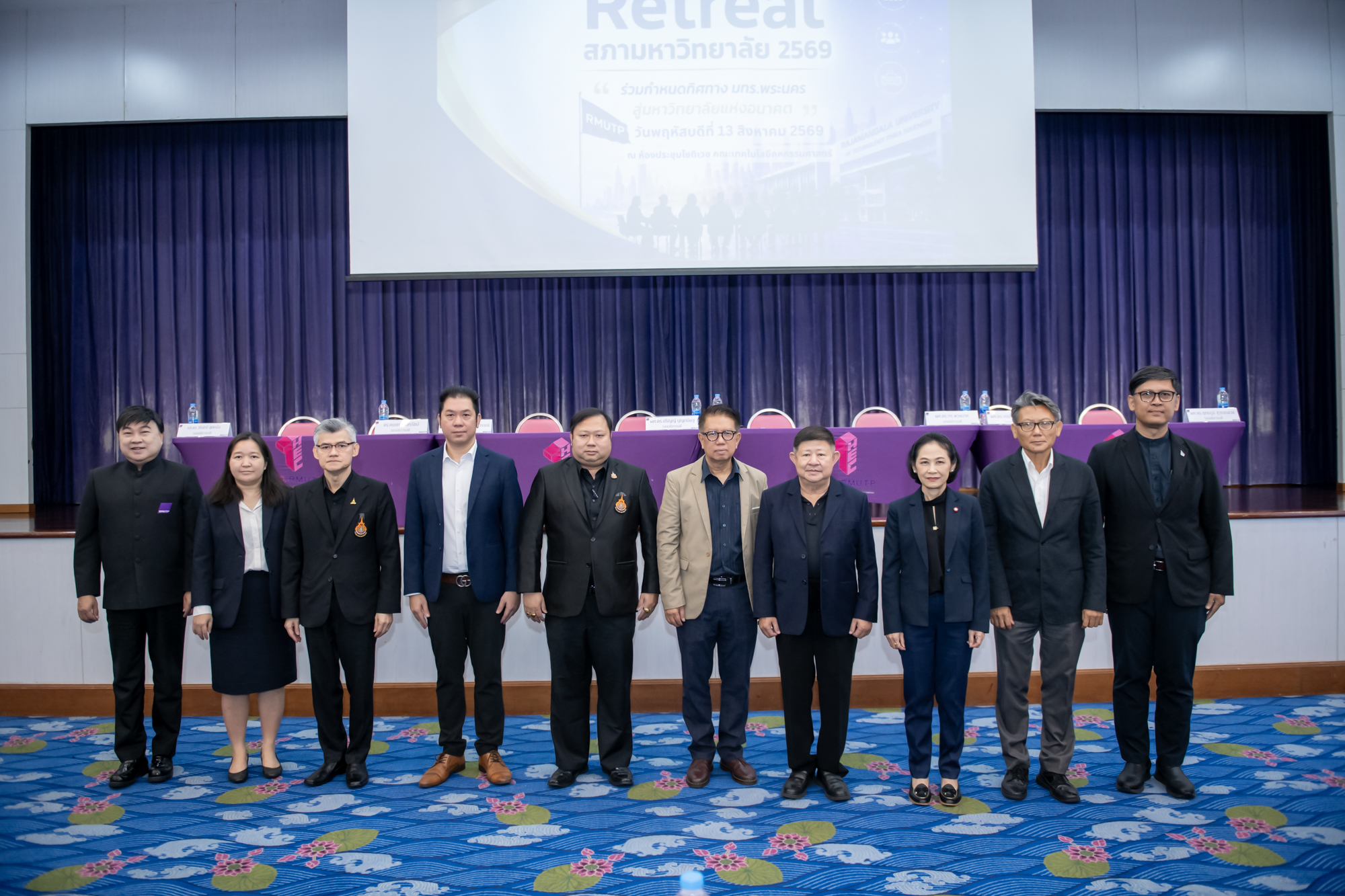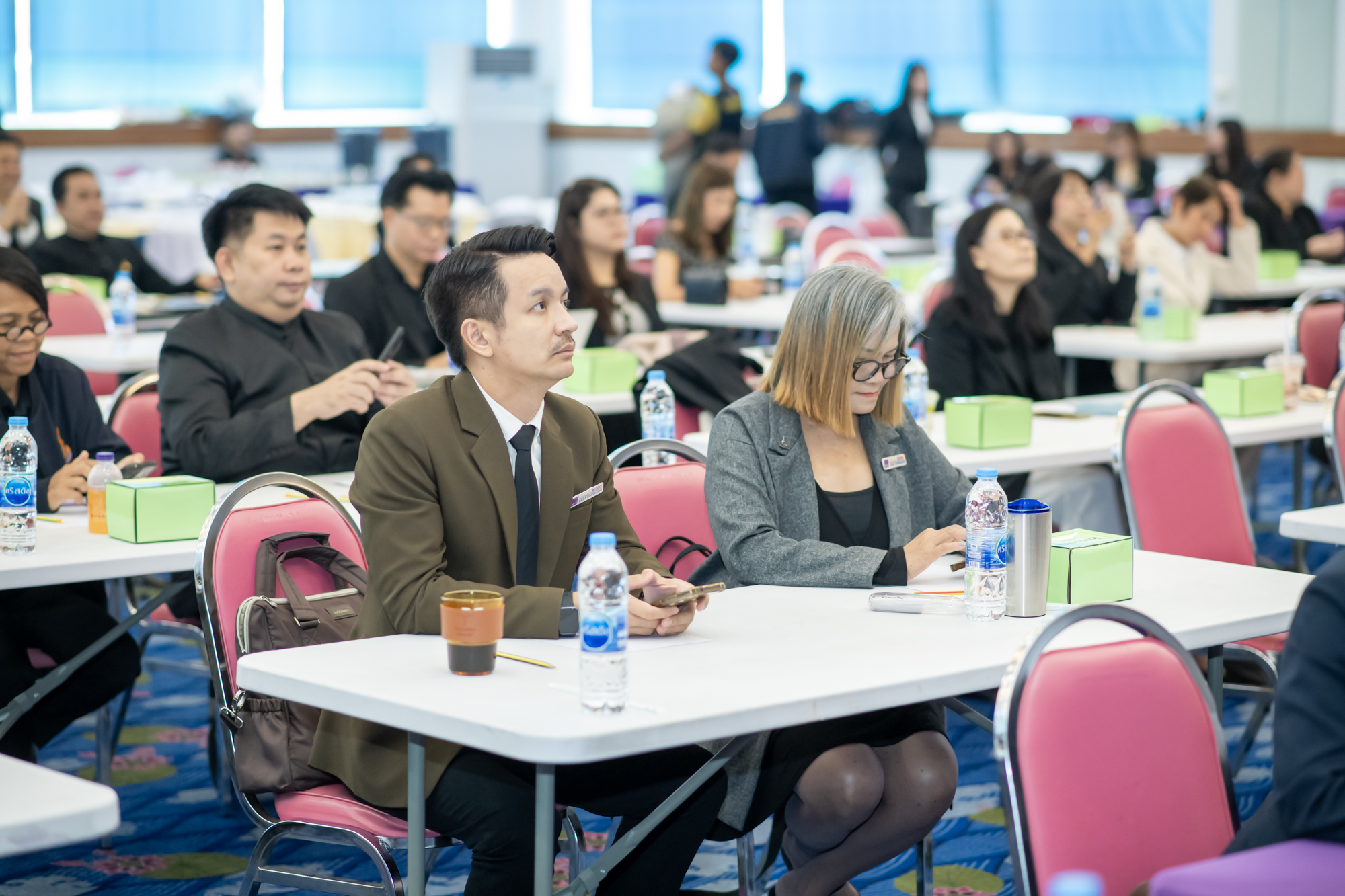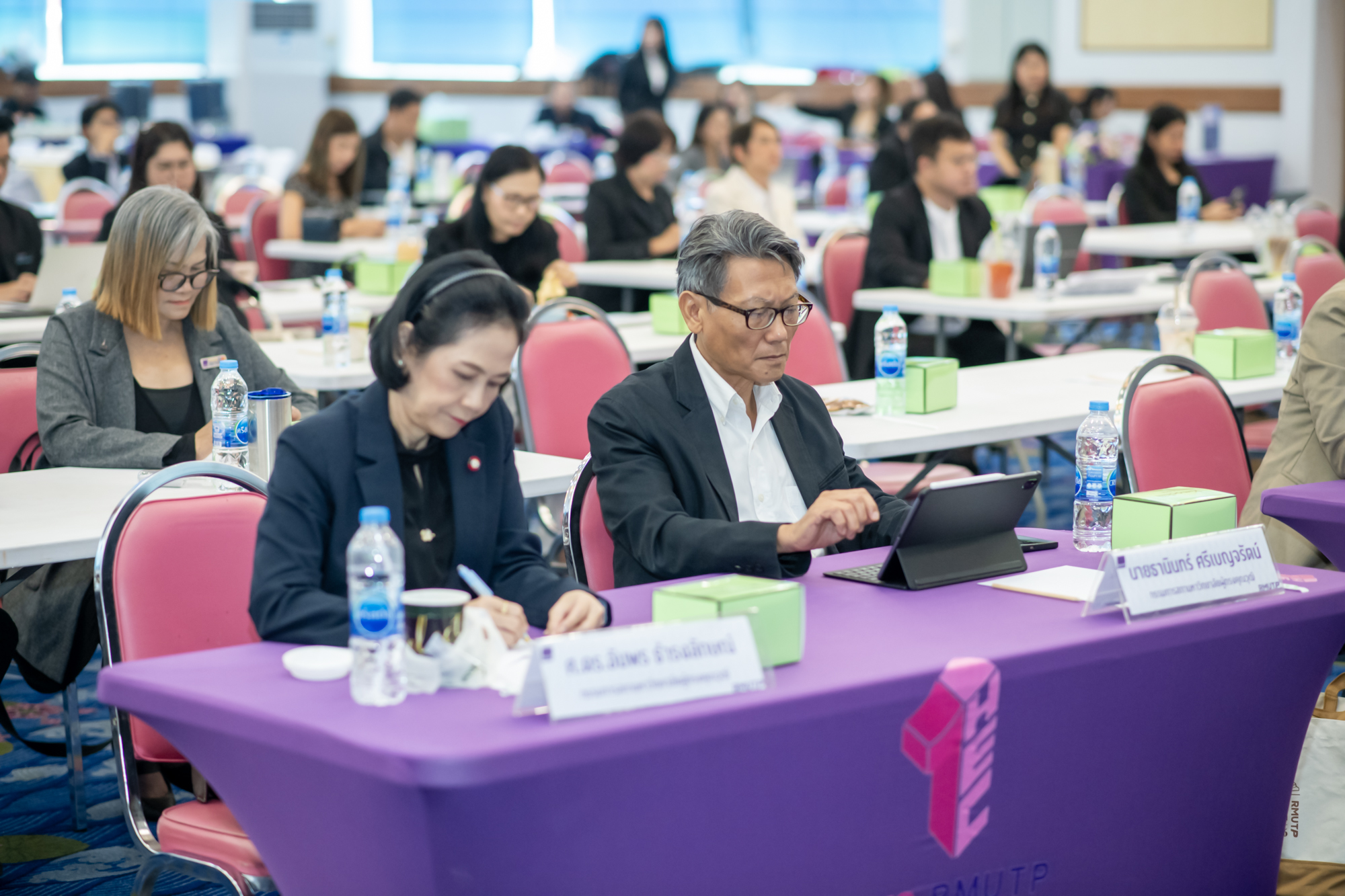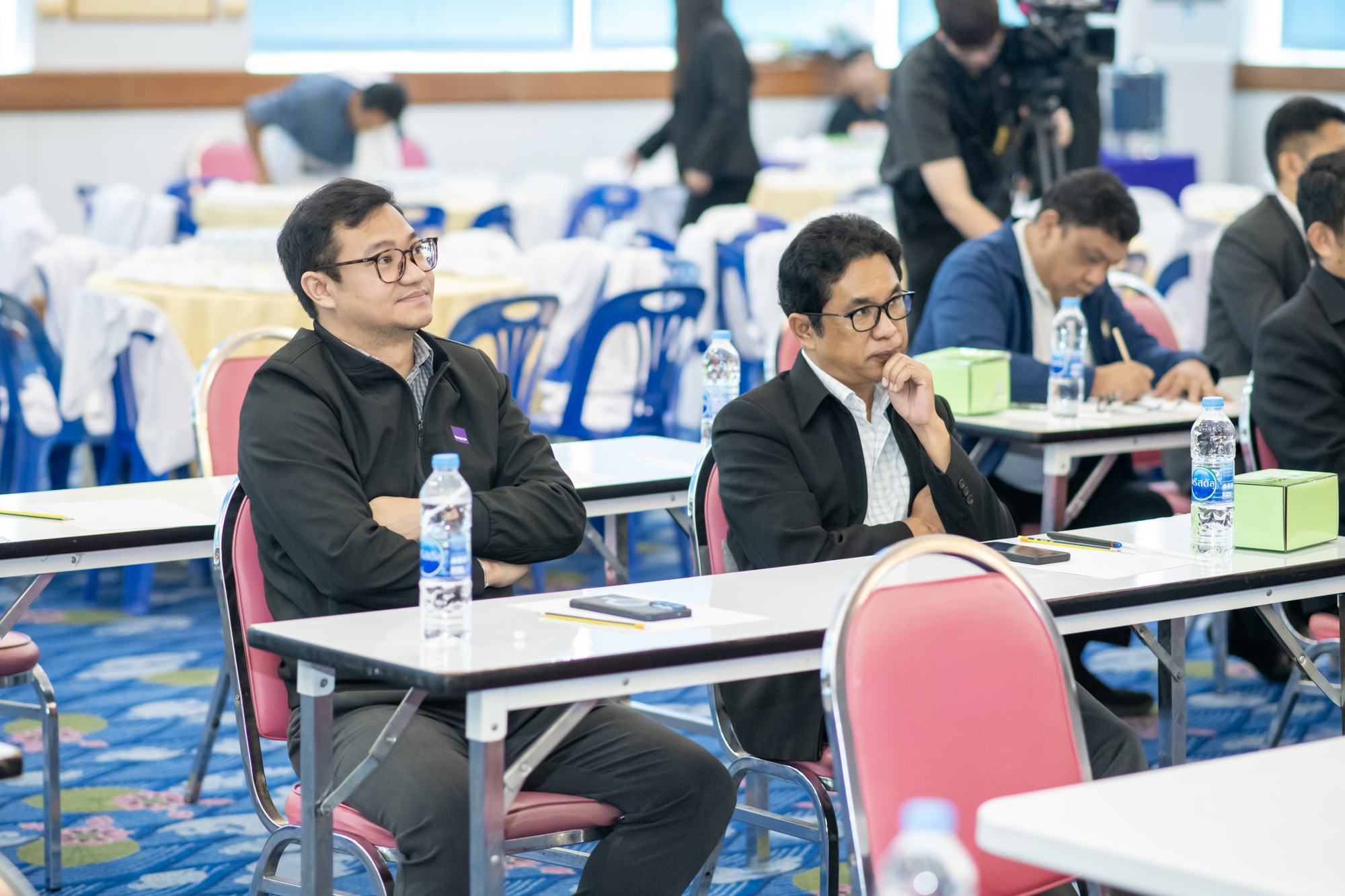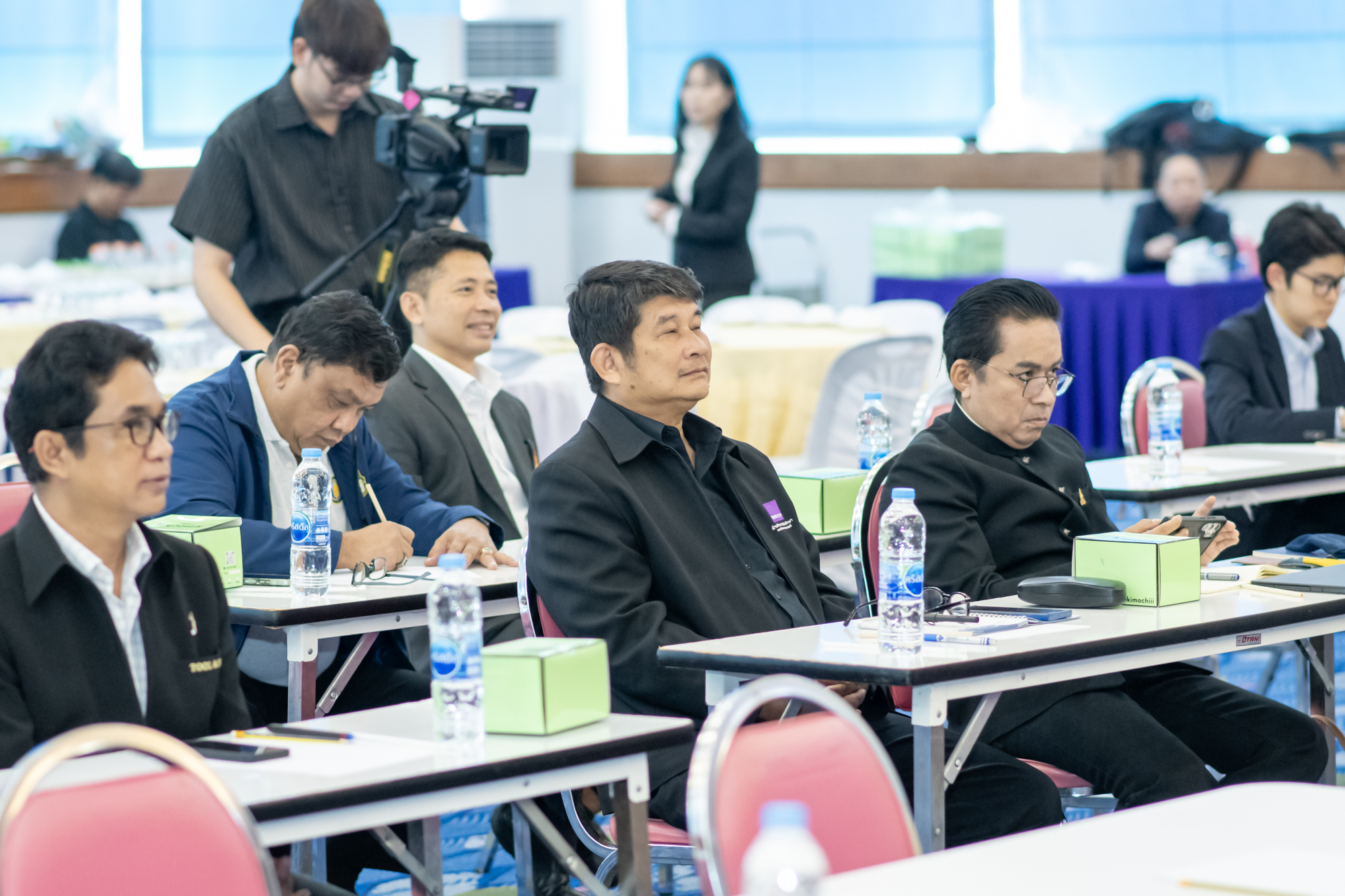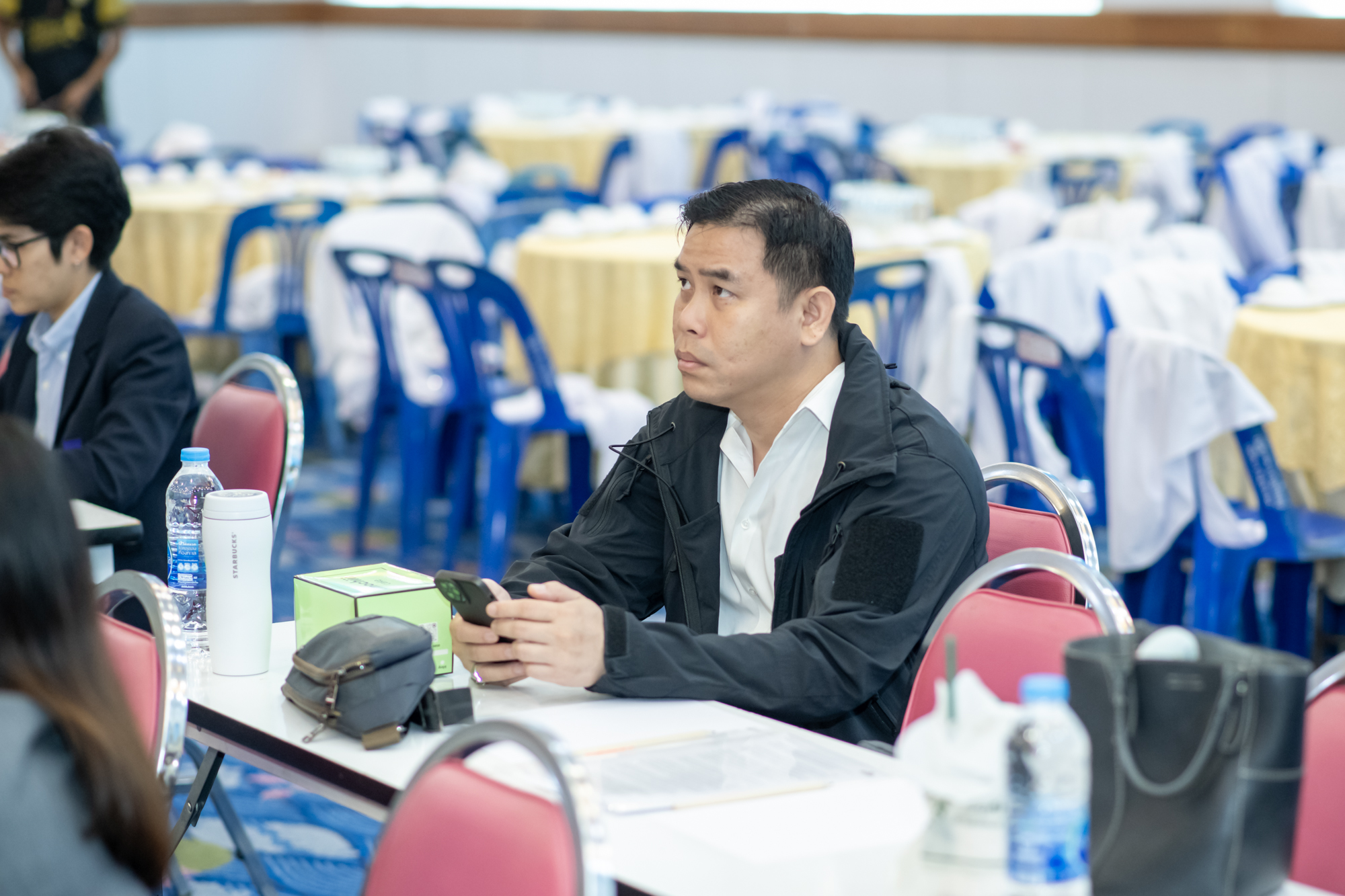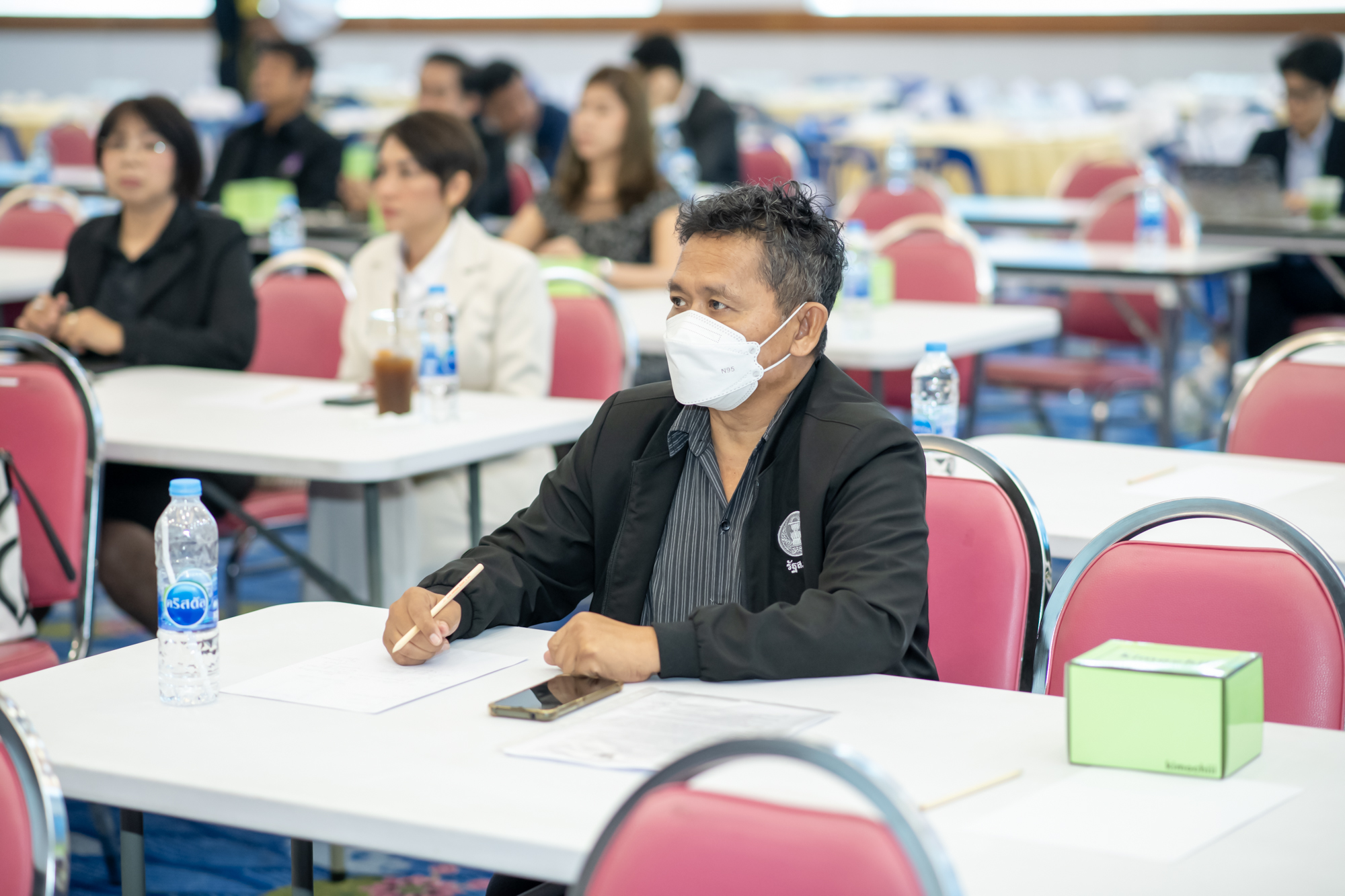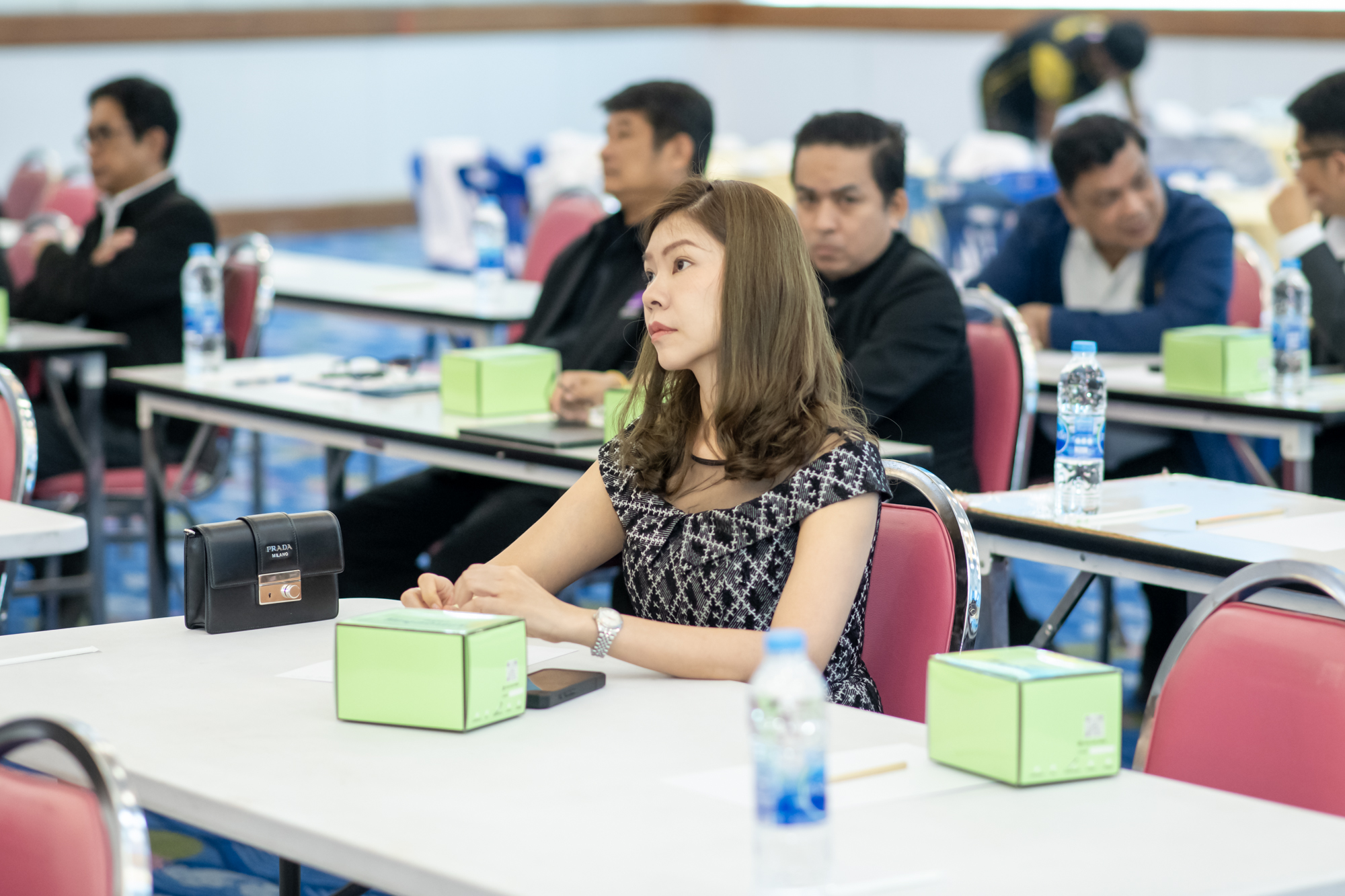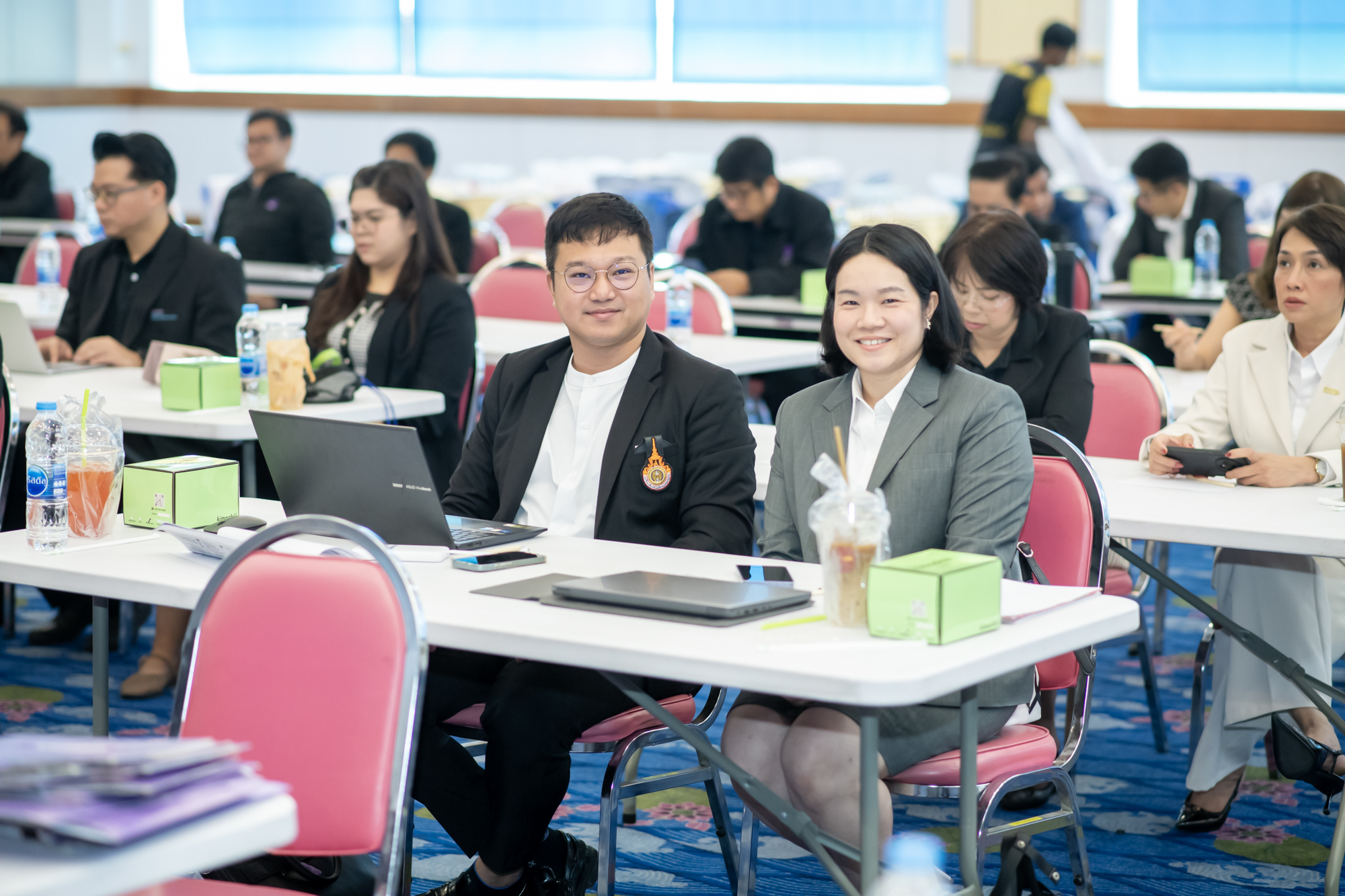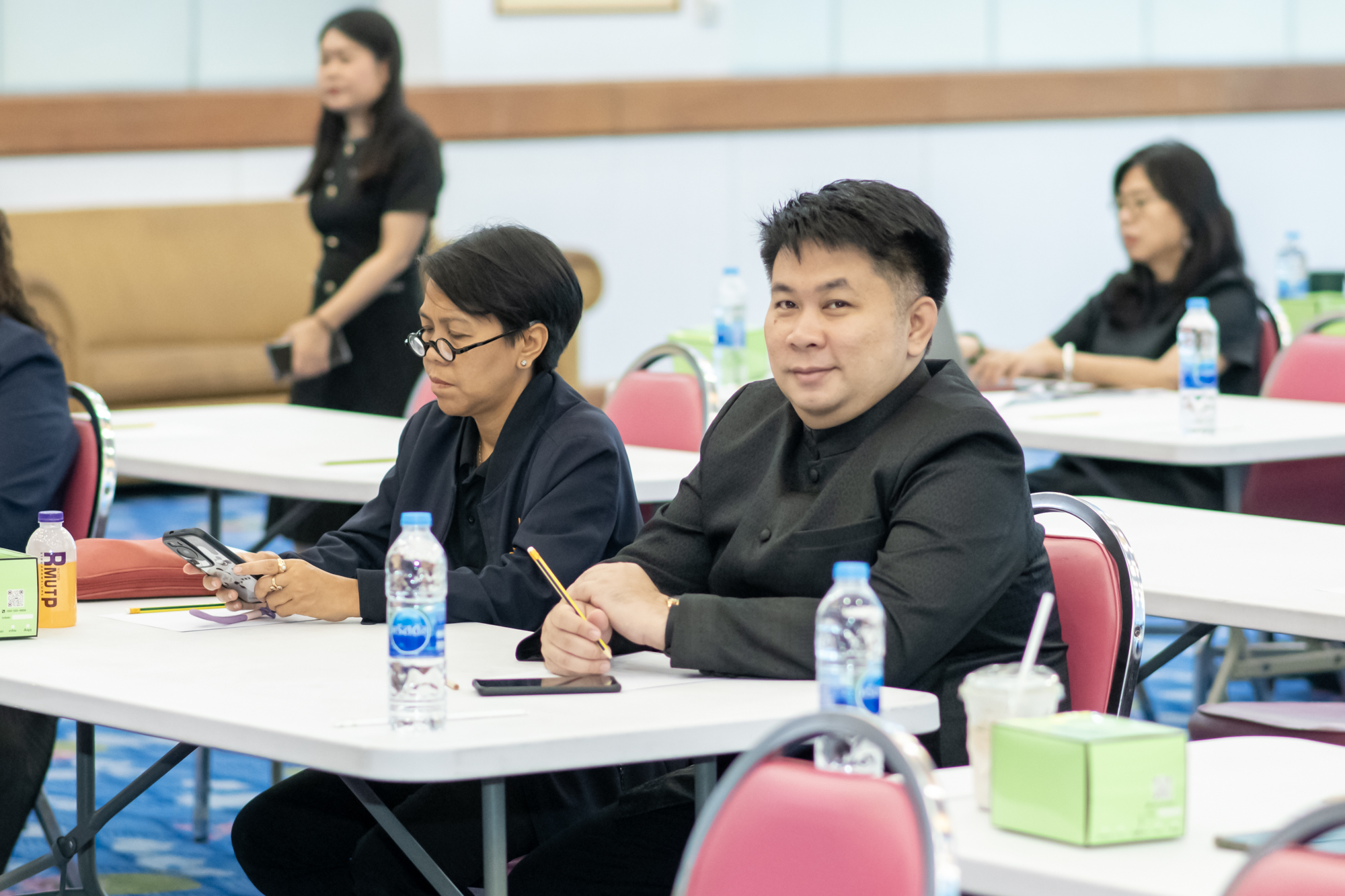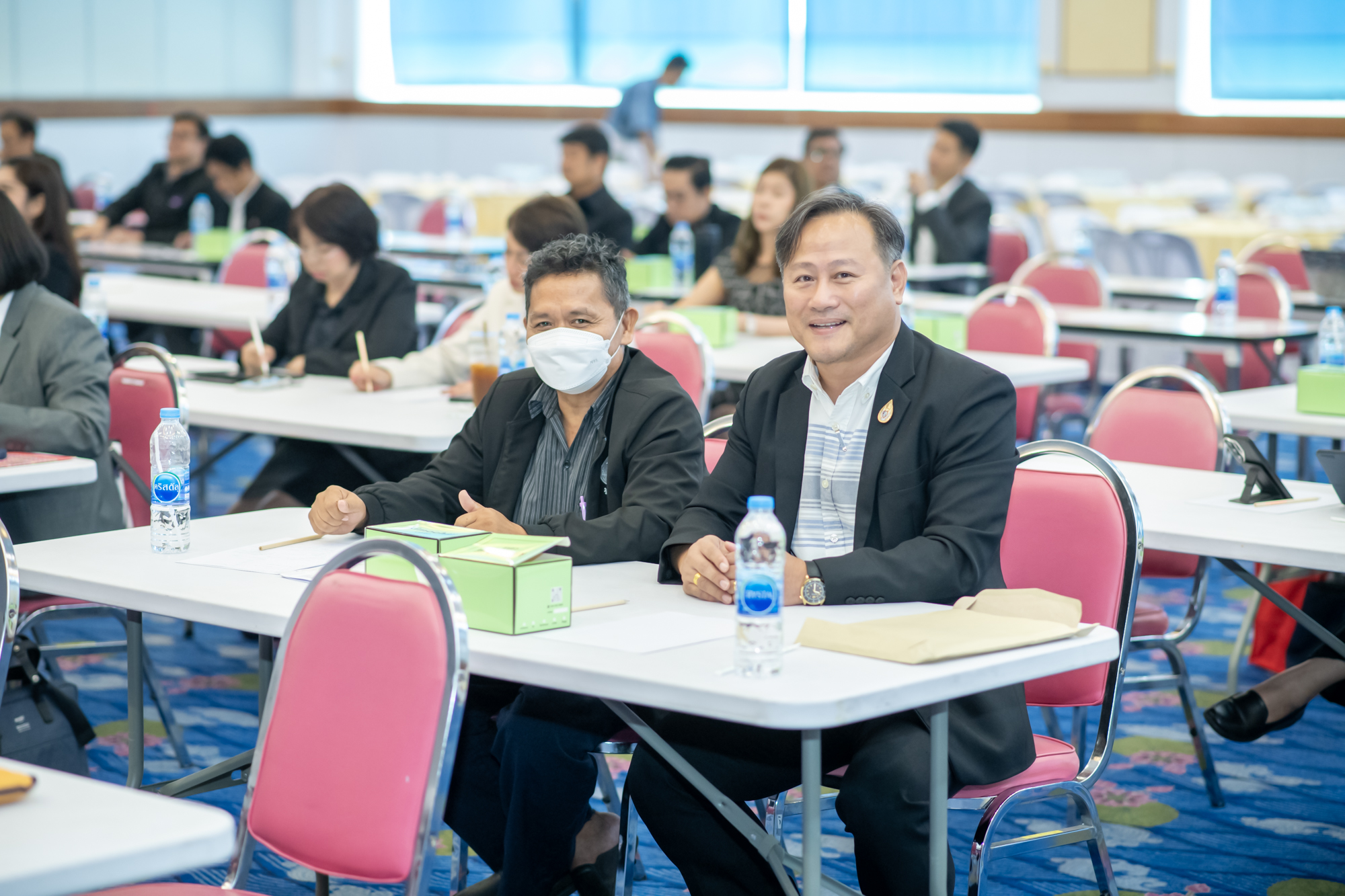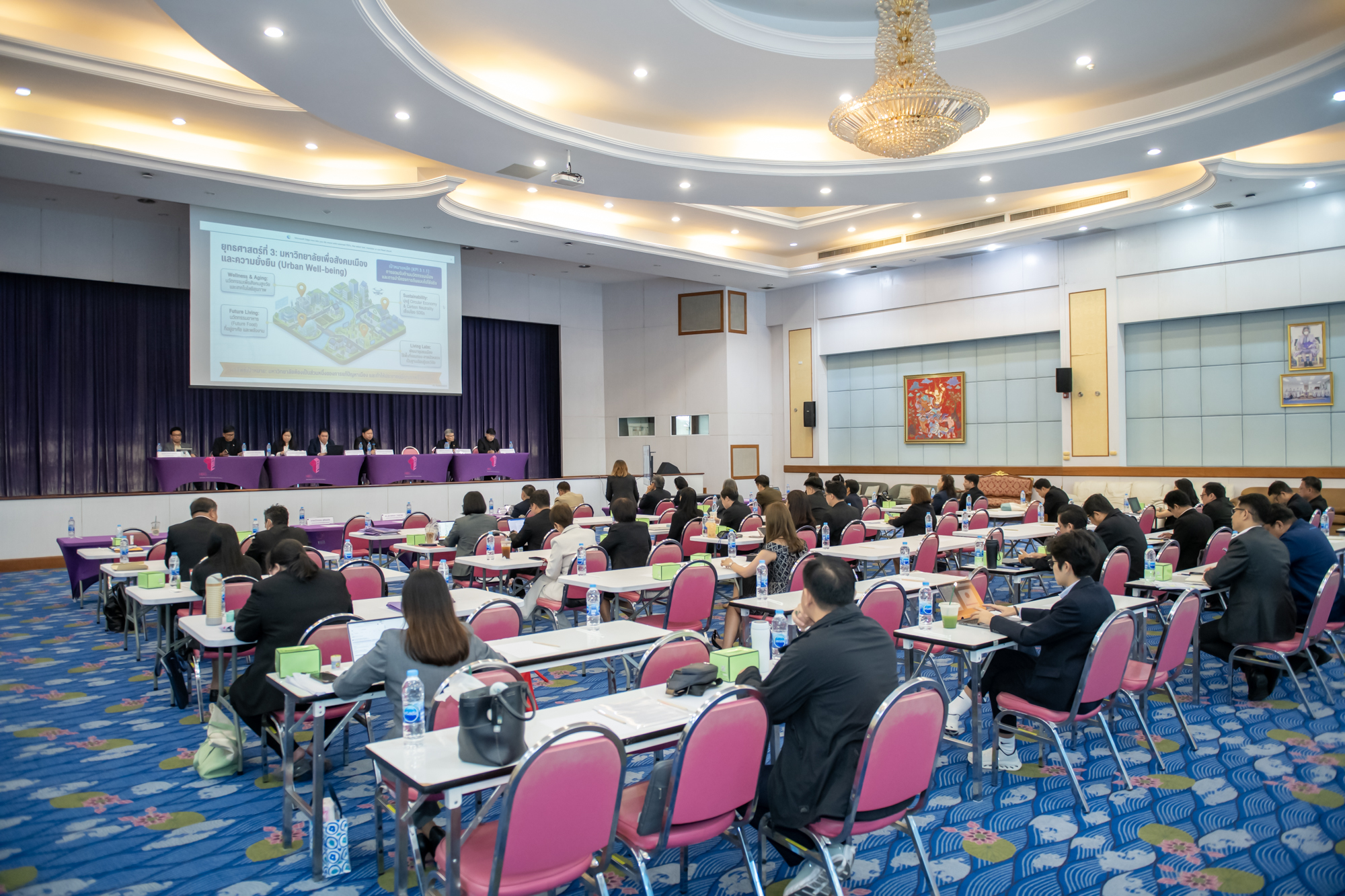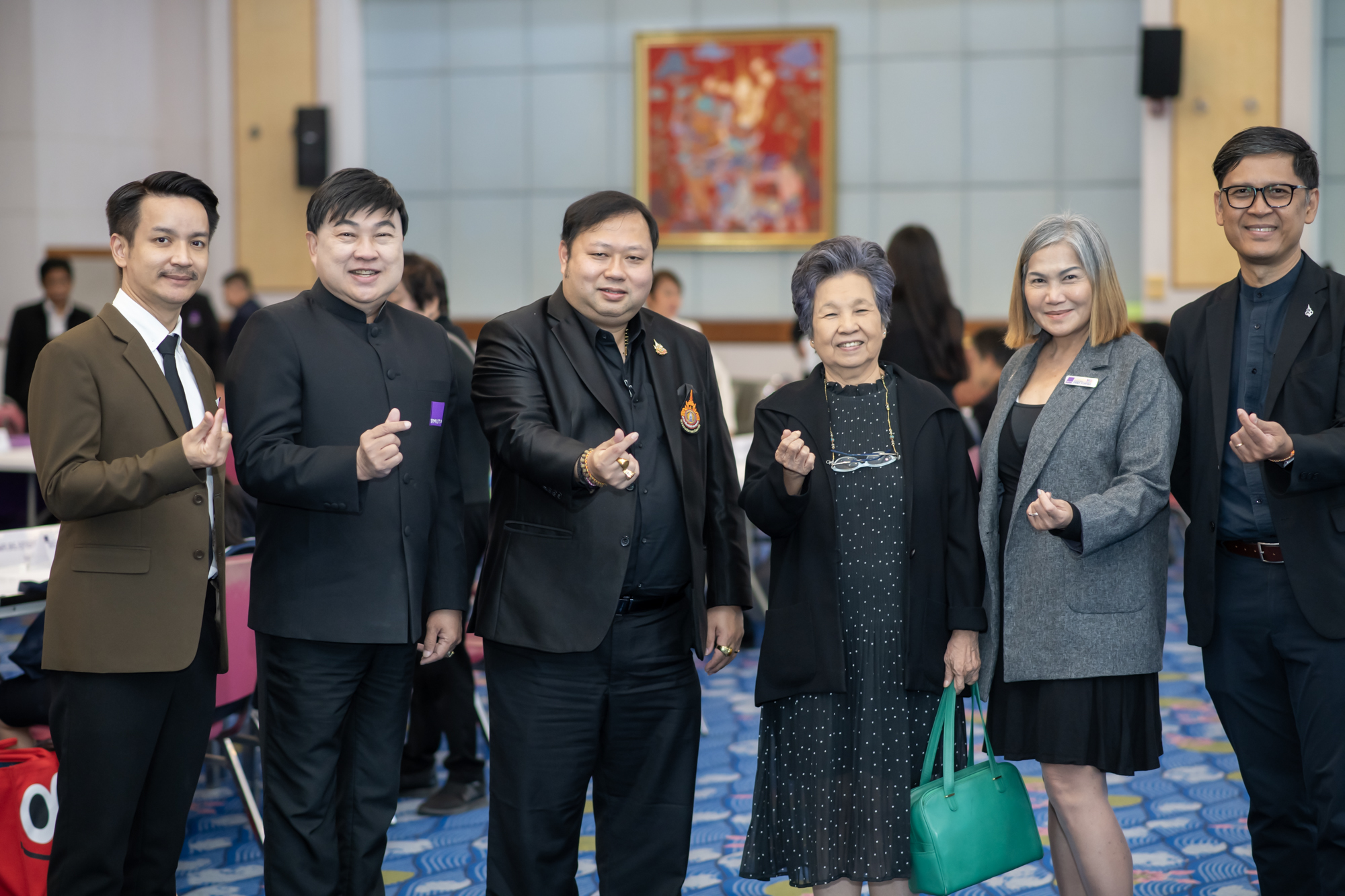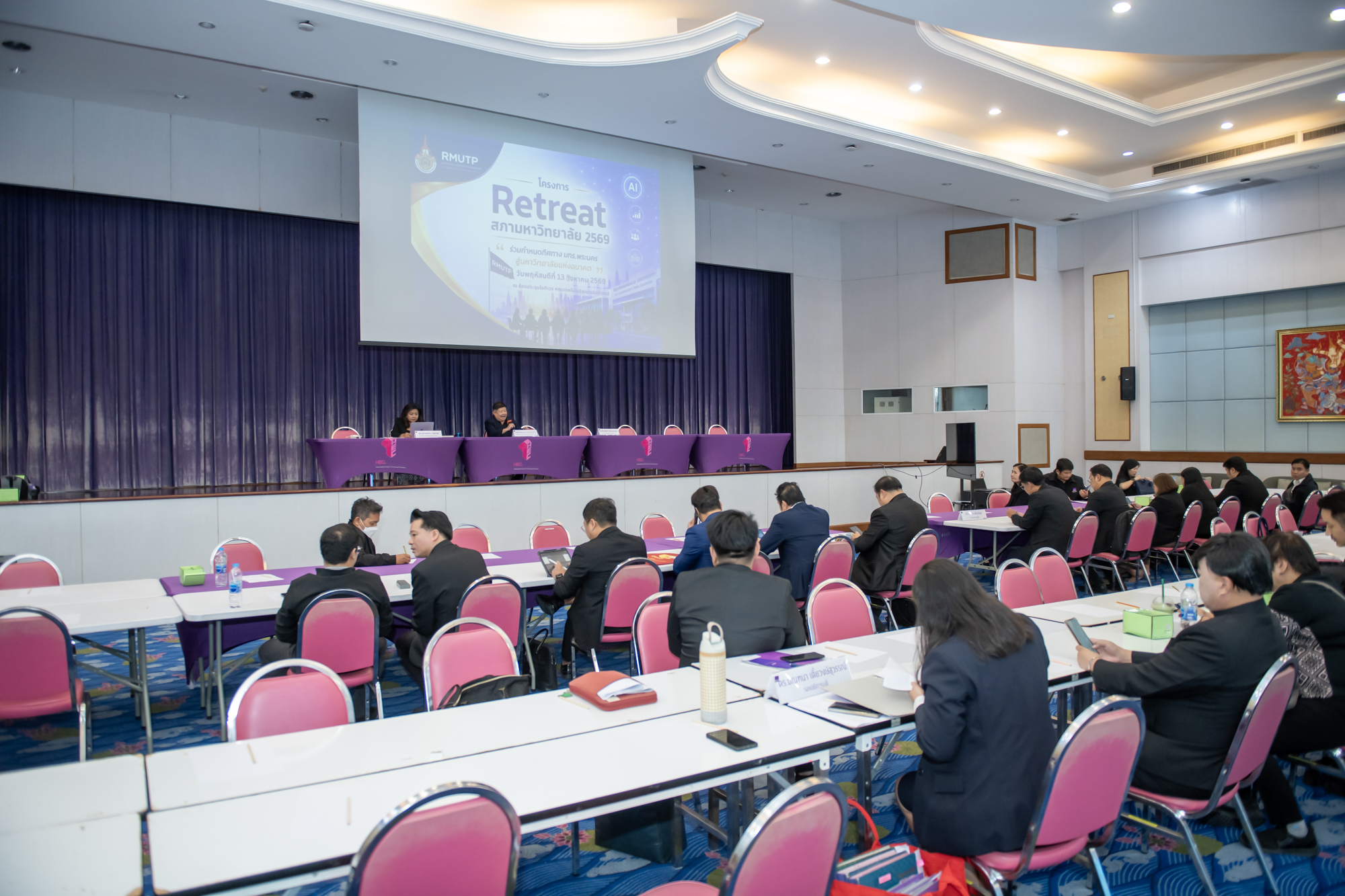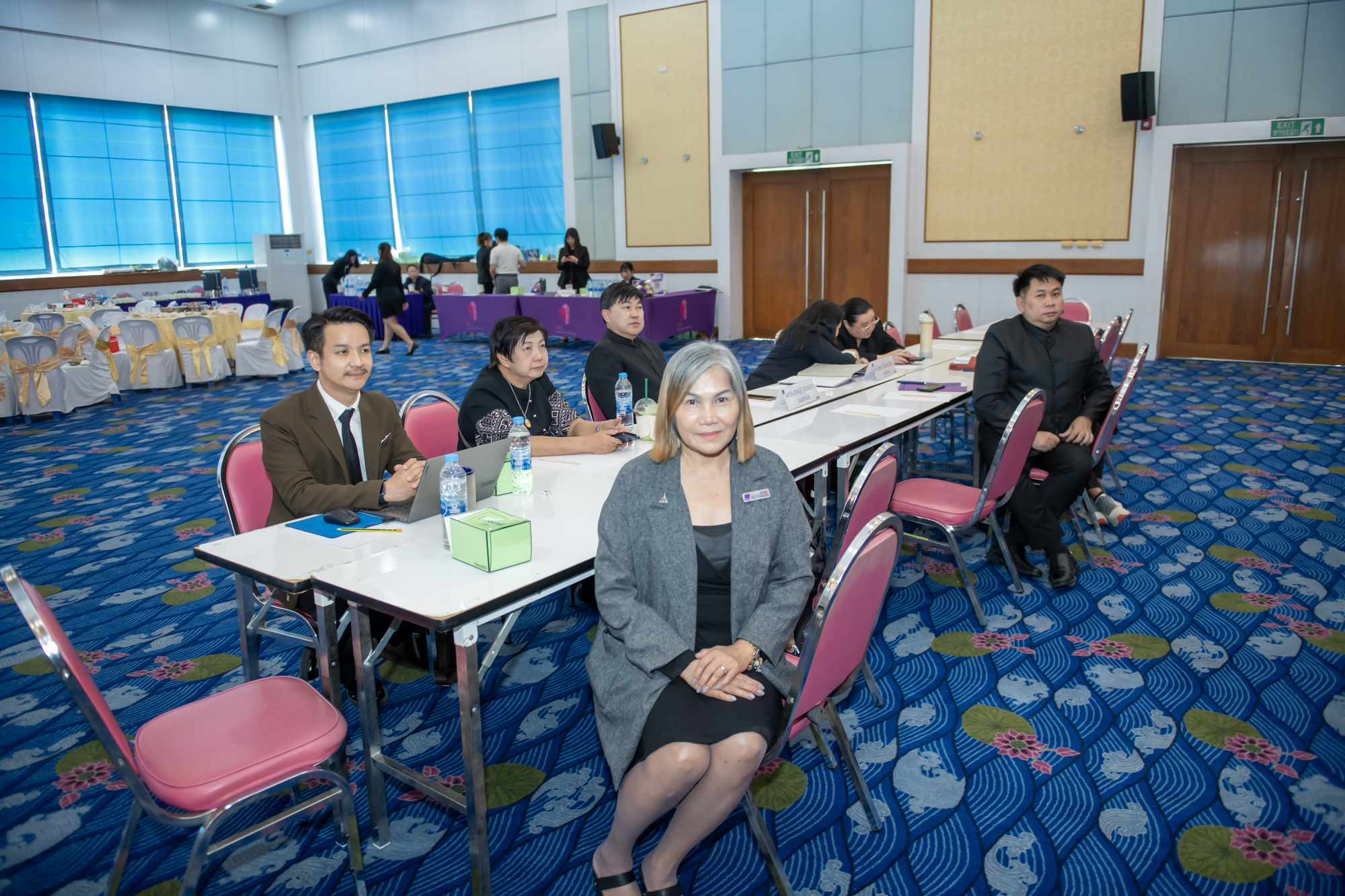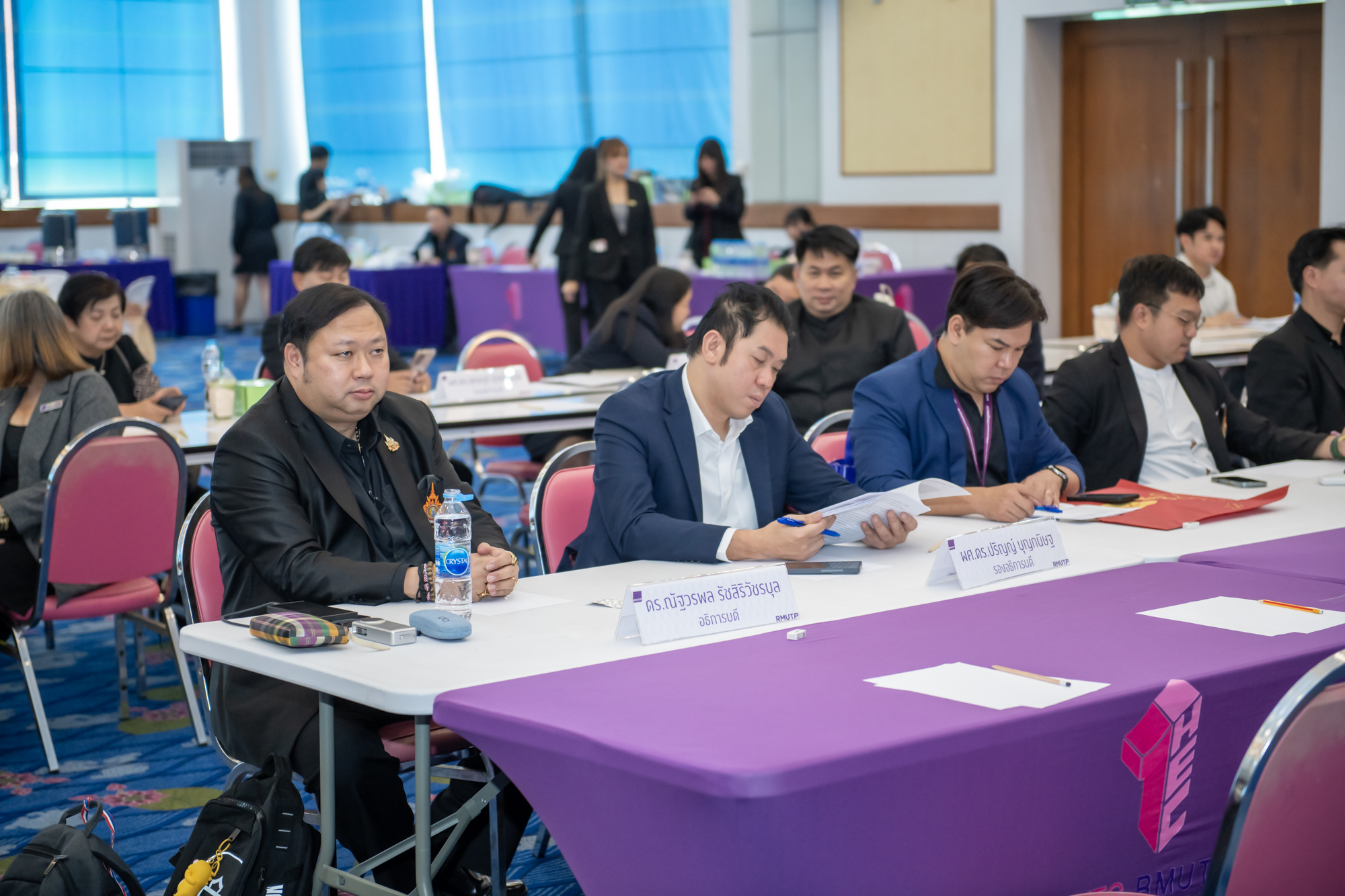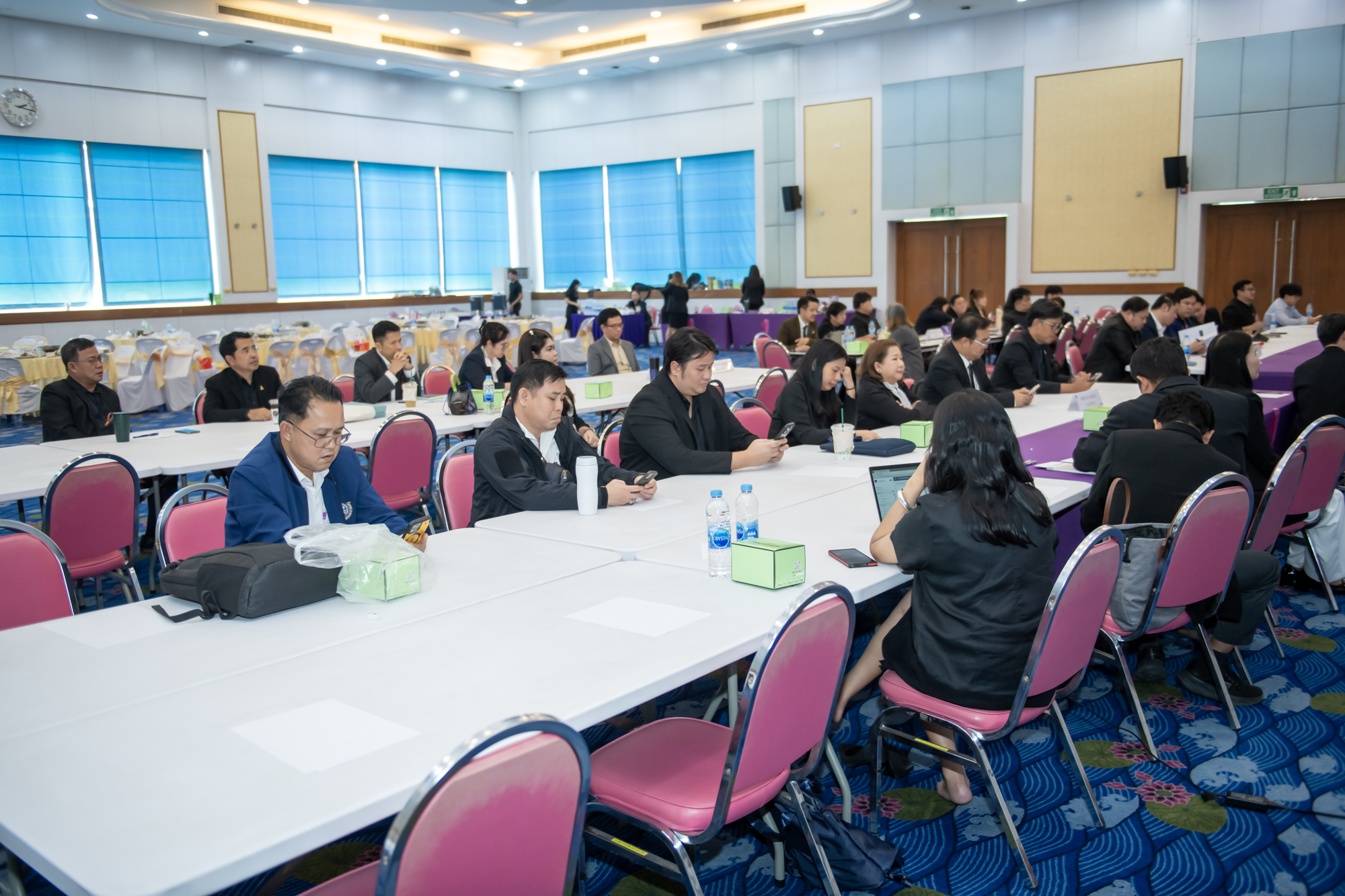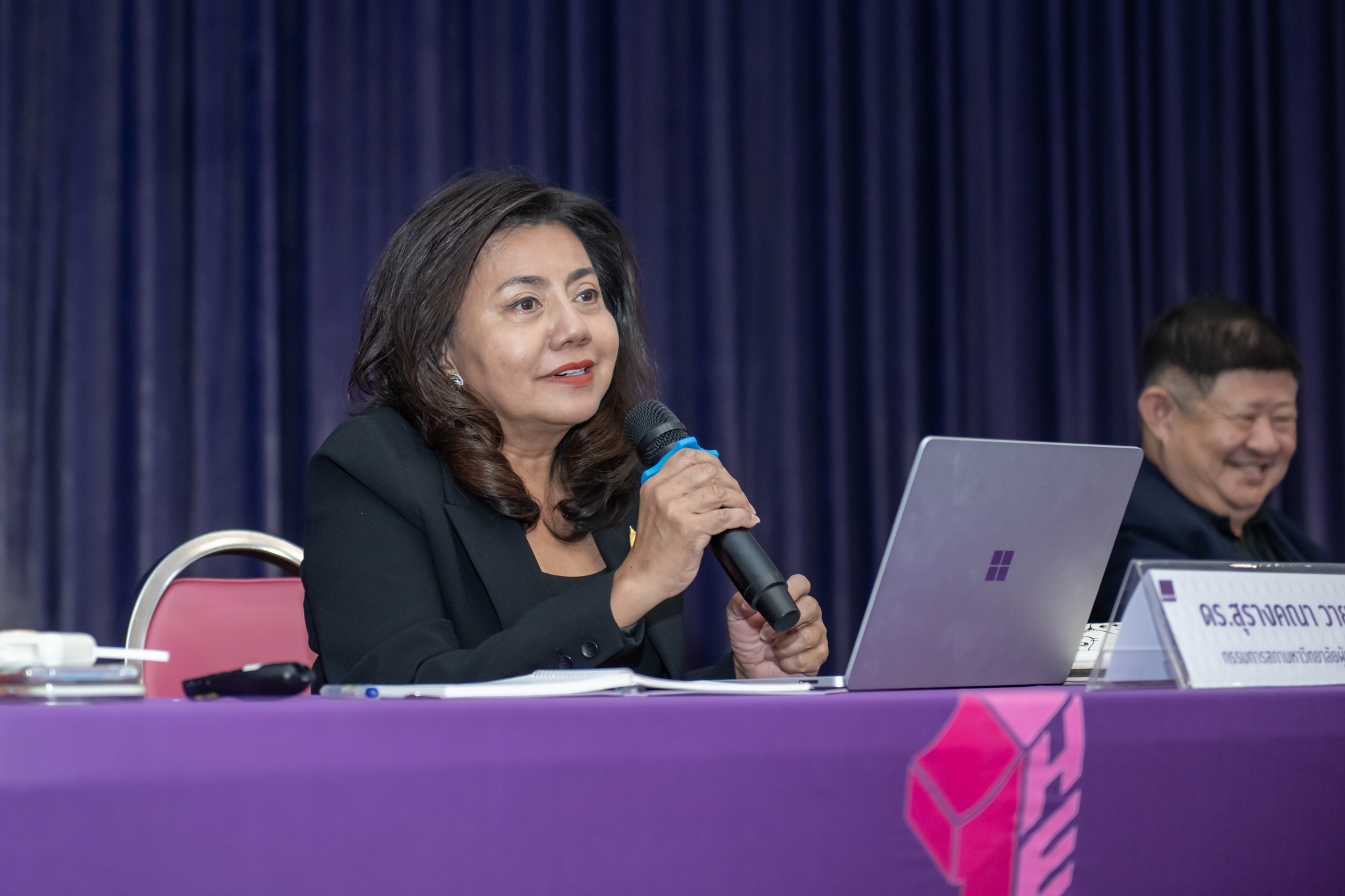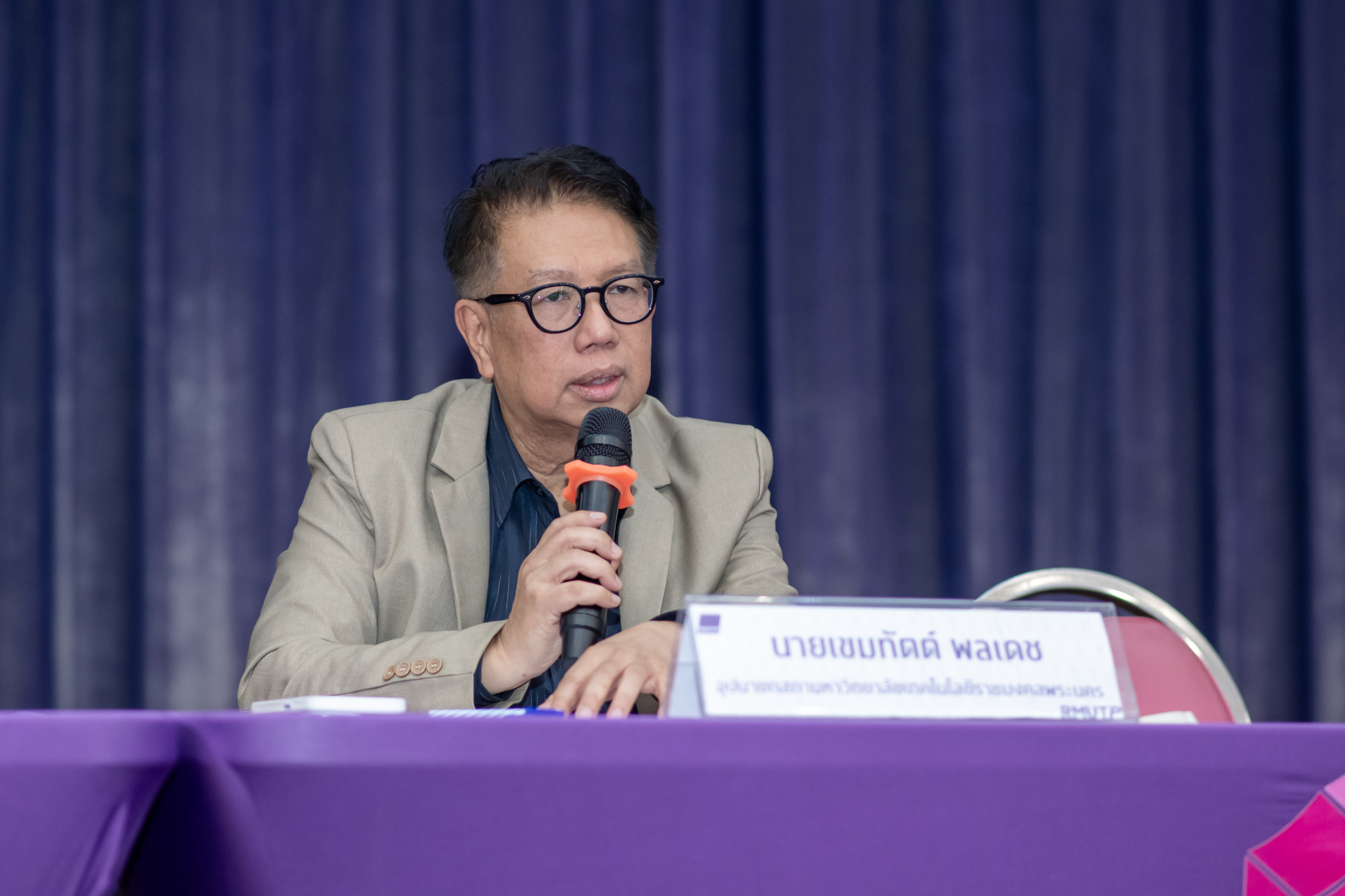
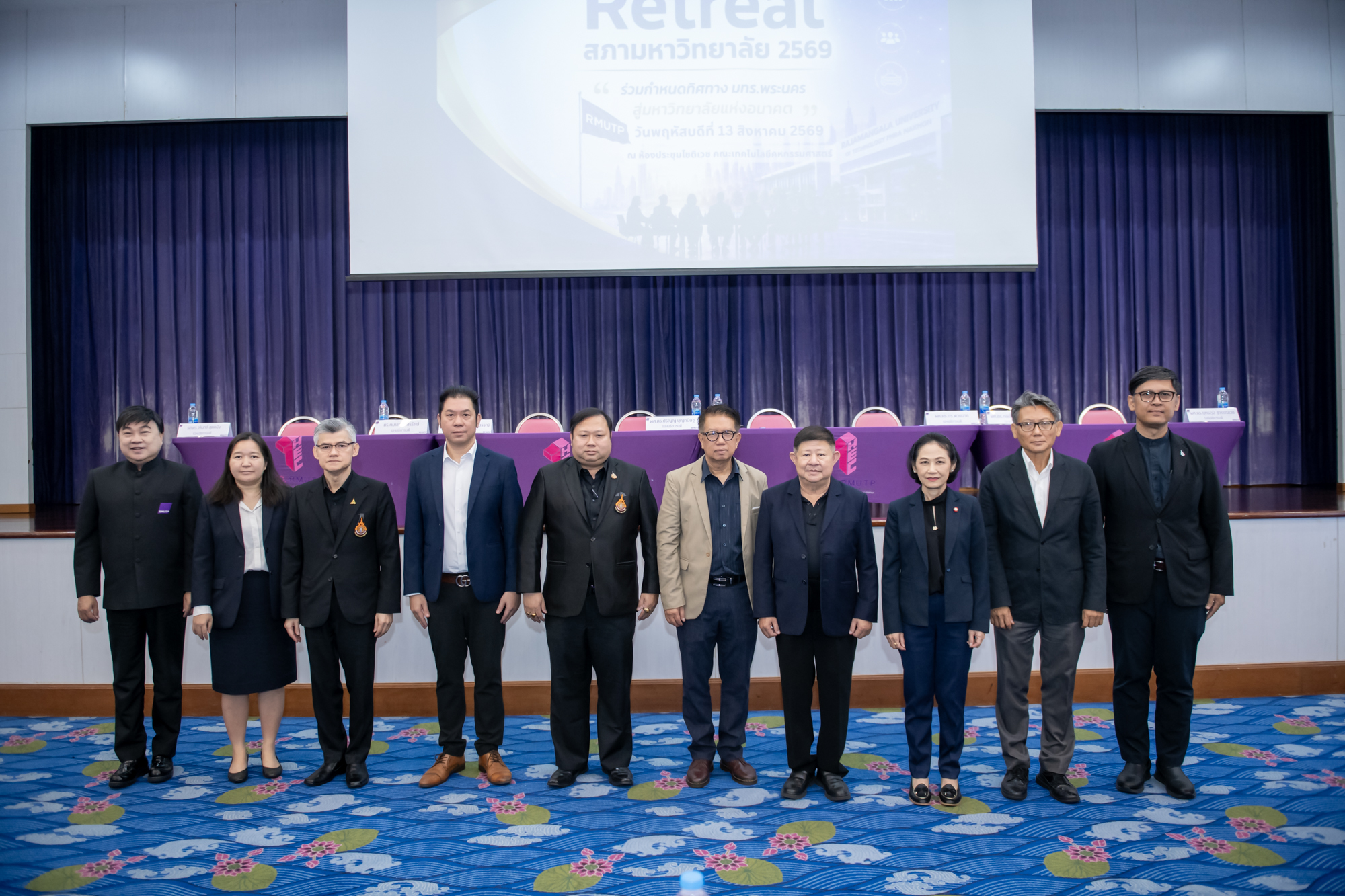
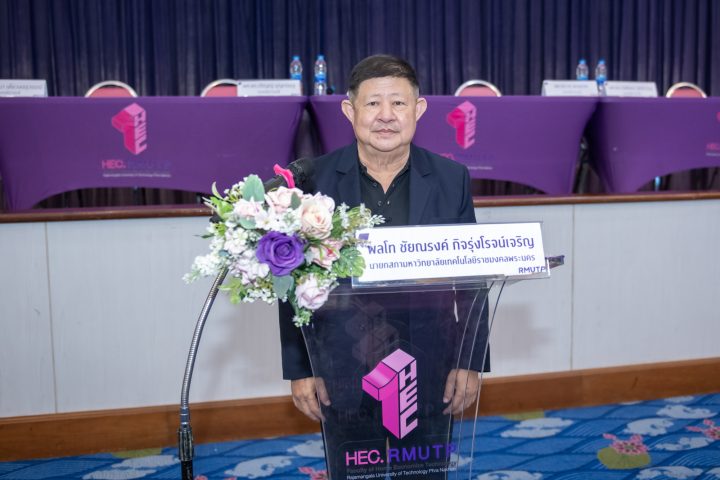
The Rajamangala University of Technology Phra Nakhon University Council organized the “University Council Retreat 2026: Co-creating the Direction of RMUTP Towards the University of the Future.” The event was honored by Lieutenant General Chainarong Kijrungrojcharoen, Chairman of the University Council, who presided over the opening ceremony. Council members and executives attended the event at the Chotiwet Meeting Room, 4th Floor, RMUTP, Chotiwet Campus, on August 13, 2026. Dr.Natworapol Rachsiriwatcharabul, President of RMUTP, presented an overview of the university’s current situation, opportunities, challenges, strategic issues, and the development direction according to the 14th University Development Plan. This plan is driven by four core strategies: Strategy 1: Elevating Graduates and the Future Workforce; Strategy 2: Developing Technology, Research, and Innovation for the Nation; Strategy 3: University for Urban Well-being and Sustainability; and Strategy 4: Enhancing Internationalization and Collaborative Networks. Subsequently, key policies were presented by the Vice Presidents of each respective division.
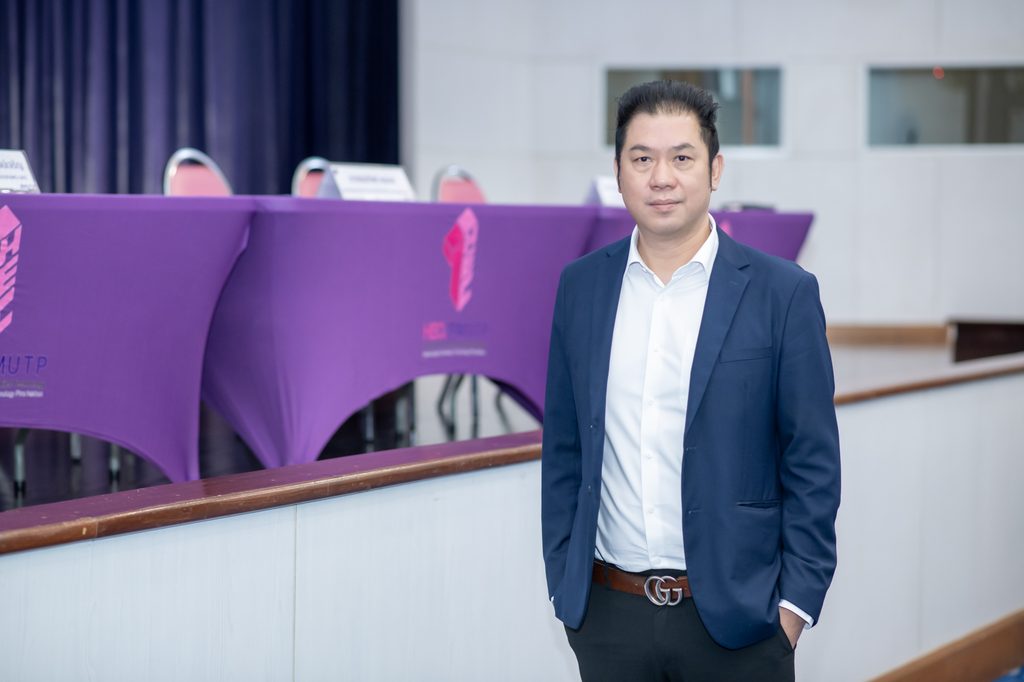
Asst. Prof. Dr. Prin Boonkanit, Vice President overseeing the Policy and Planning Division, the Research and Development Institute, and other related offices, unveiled the organizational development strategy. The 14th Plan emphasizes building people, building the city, and building the nation, operating under its designation as a Group 2 technological university, categorized by the Ministry of Higher Education, Science, Research and Innovation (MHESI) as a technology development and innovation promotion institution. The focus will be on accelerating five areas: Smart City, AI, Robotics, Food Innovation, and Smart Boat. It also includes supporting international research publications by minimizing obstacles such as heavy workloads, academic English proficiency barriers, lack of confidence in journal selection, and insufficient budget support.
Asst. Prof. Dr. Korn Puangnak, Vice President, presented a perspective on driving the university through the “RMUTP Smart Urban Living Lab” policy—a future-oriented university powered by an Artificial Intelligence (AI) ecosystem. This involves Data Hub Integration, which consolidates the registration system, accounting system, and human resources system into a single unified database to reduce complexity and establish central data standards. Furthermore, it includes restructuring the Virtual Desktop Infrastructure (VDI) and developing a secure Digital Workplace to enhance system stability and cybersecurity.
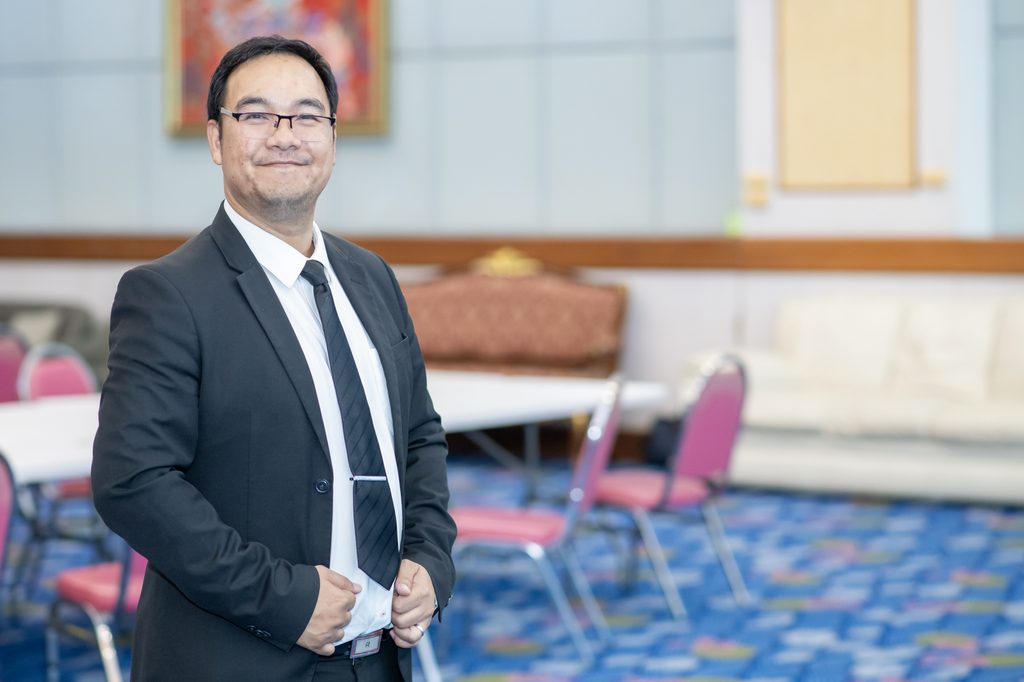
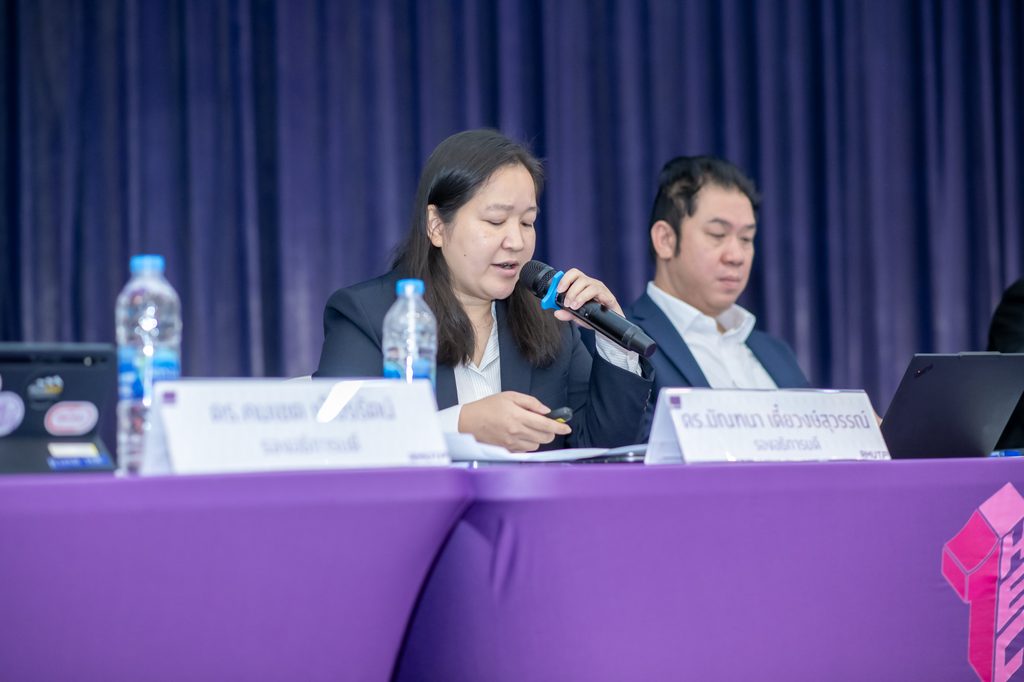
Dr.Manthana Tiawongsuwan, Vice President overseeing the Finance Division, proposed the implementation of the “Smart Financial Governance” policy. This intelligent financial system aims to drive the university’s strategy by creating a “Smart Track” system—an electronic tracking system for disbursement documents that will help reduce processing time, minimize paper usage, and increase accuracy.
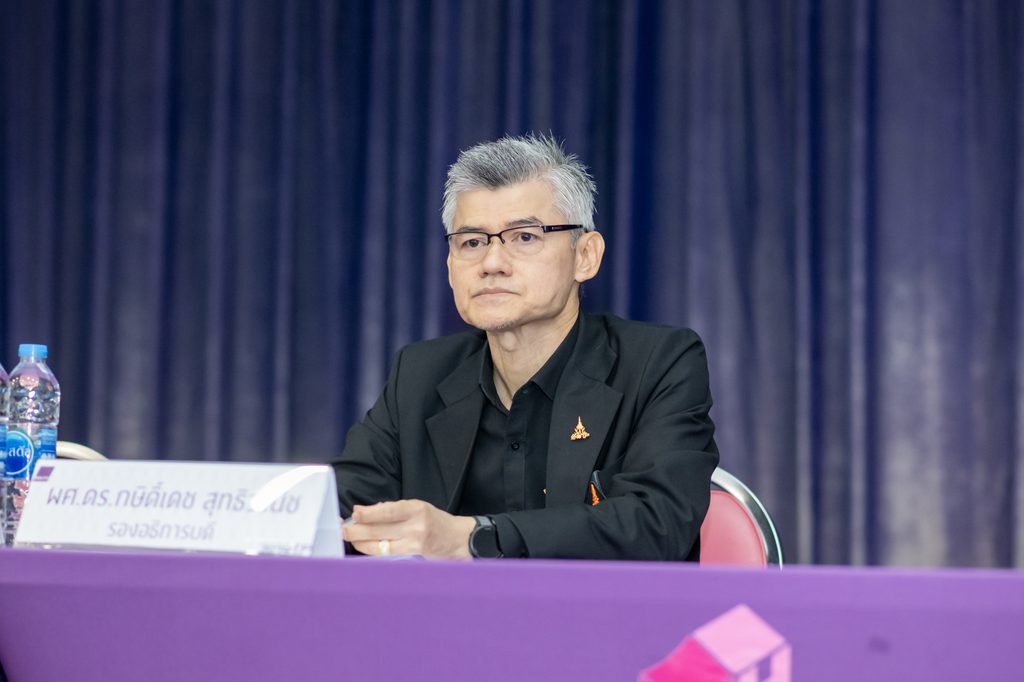
Asst. Prof. Dr. Kasidech Sutthivanich, Vice President, set organizational targets for 2030 through three manpower development frameworks: 1) “Having the right people at the right time,” which entails planning and developing personnel to meet strategic competency requirements, replacing retiring staff, and upskilling personnel with future skills; 2) “Driving the organization with data and outcomes,” by creating a digital ecosystem that emphasizes the use of data and technology in human resource management; and 3) “Creating a corporate culture where people want to stay and grow,” by establishing motivation, performance evaluation systems, and career advancement plans.
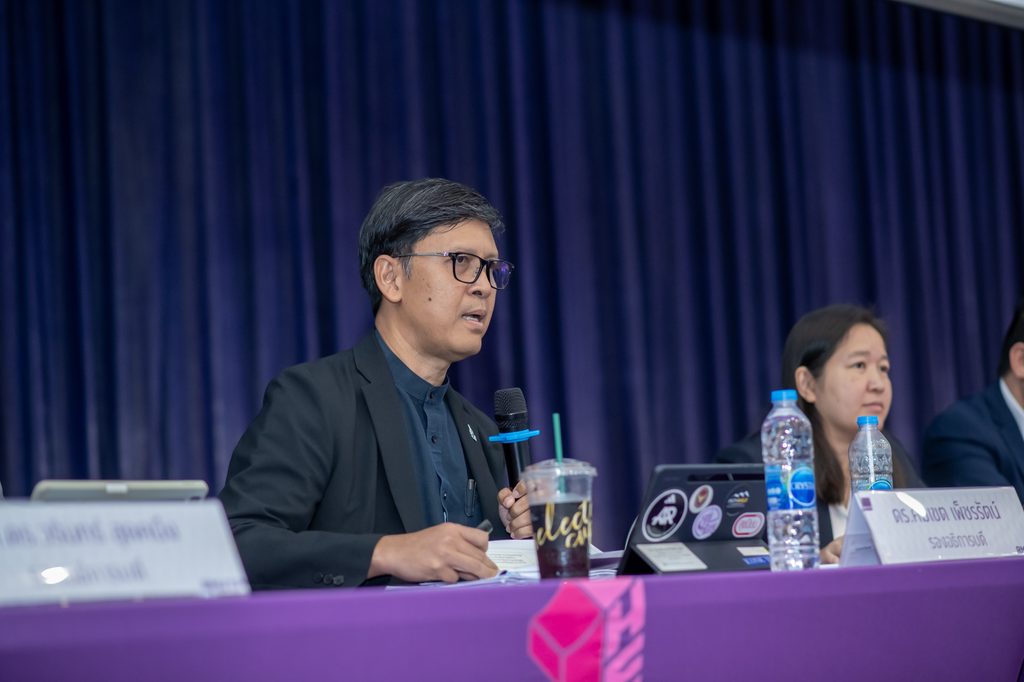
Dr.Khomkhate Pedcharat, Vice President, proposed integrating academic strategies across supervised units to achieve the goals of the 14th RMUTP Development Plan. This involves a lifelong learning paradigm aimed at producing high-performance, practical graduates in “Urban Technology for Wellbeing Society.” This will be achieved through structural resolutions, revising outdated regulations, developing student registration software to align with the university’s needs, and creating new opportunities by expanding the Lifelong Learning and Credit Bank markets across four primary target groups: Pre-Degree (high school students), Upskill/Reskill (working professionals), Silver Economy (the elderly), and Military to Career (conscripts). Additionally, there is a concept to enhance faculty potential by shifting their roles from traditional instructors to “Learning Facilitators” who understand the real business world. This includes developing foreign language skills, utilizing AI/RPA in teaching, sending vocational faculty for 1–3 month industry internships, and promoting international professional certification exams.
Asst. Prof. Dr.Yutthapoom Suwannavej, Vice President, presented a strategic plan for integrating supervised operations and establishing the “RMUTP Sustainability Innovation Center” at the Chom Thong Center (Saraphi-Wanna Anusorn). This center will focus on learning, conserving Thai resources in accordance with the Plant Genetic Conservation Project under the Royal Initiative of Her Royal Highness Princess Maha Chakri Sirindhorn (RSPG), and generating sustainable income. Over the next five years, the aim is to create sustainable growth through five main objectives: Products (expanding university brand products and research outcomes); Space and Assets (maximizing land utilization); Intellectual Property (protecting patents and knowledge); Business Matching Platforms (expanding market opportunities through private-public sector networking); and Organization and Personnel Capacity (developing teams and systems to support sustainable growth).
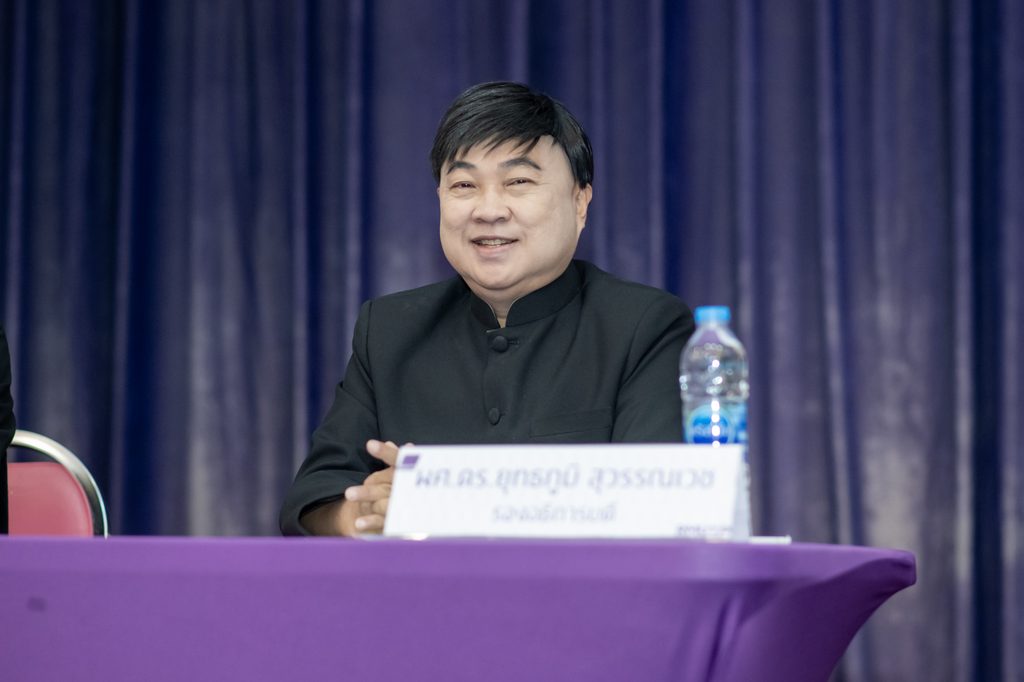
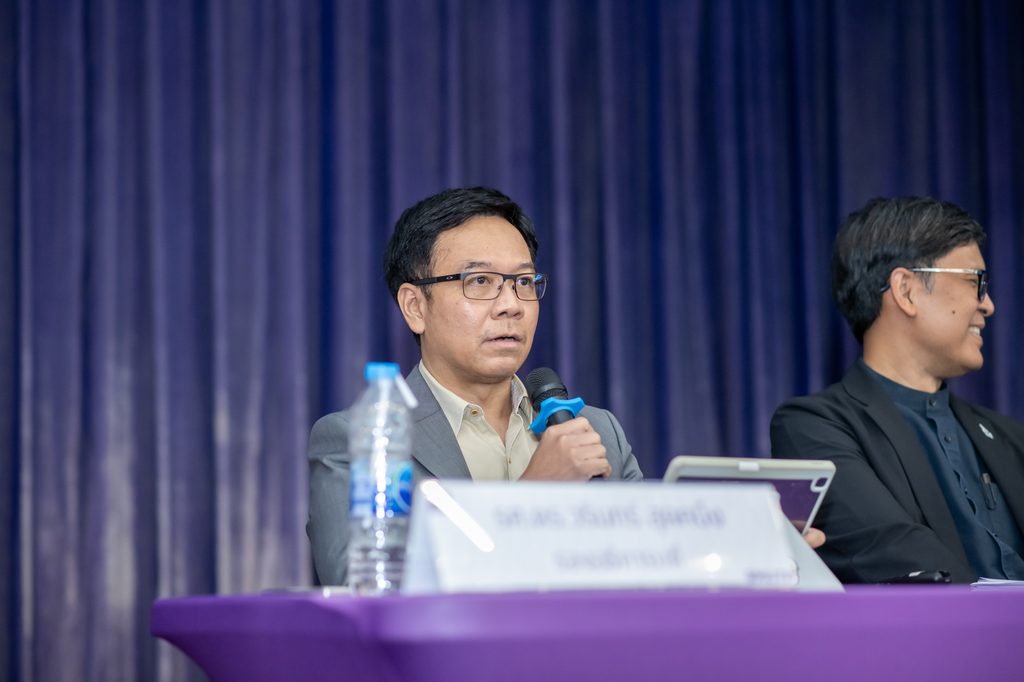
Assoc. Prof. Dr. Warin Sootkaneung, Vice President, proposed four strategic operational guidelines focusing on moving from operational excellence to measurable outcomes. The first guideline is to promote academic titles by leveraging the potential of senior professors to create an academic ecosystem. Next is the “Green University” initiative, aimed at improving category scores in the UI GreenMetric to emphasize measurable sustainability. Regarding corporate communication, future adaptations must adhere to three crucial frameworks: “Good Service” (producing high-quality media), “Great Academy” (elevating all departments to communicate effectively), and “Grand Connection” (serving as a bridge connecting stakeholders). In terms of arts and culture, RMUTP possesses cultural capital surrounding the university; this existing capital will be utilized to generate new knowledge, creativity, and value.
Nevertheless, presenting the strategic plan to drive the university in alignment with the 14th RMUTP Development Plan (2027-2030) will not achieve its objectives without the collaboration and participation of personnel across all units. Therefore, to ensure that all personnel share a unified understanding and direction, the Corporate Communication Division is preparing to organize a “Town Hall” event focusing on enhancing internal corporate communication. This platform will serve as an internal communication channel to build mutual understanding in the near future.