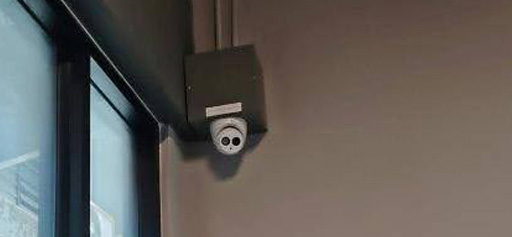
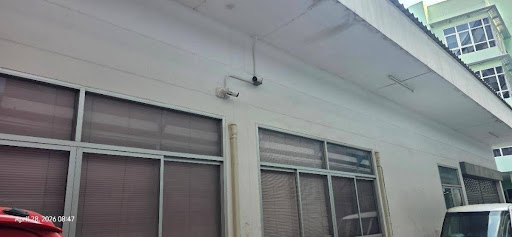
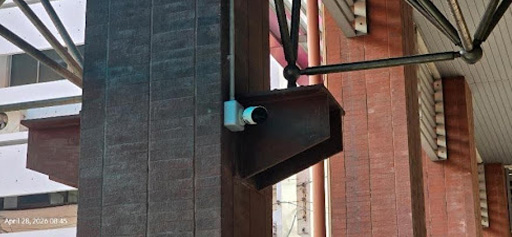
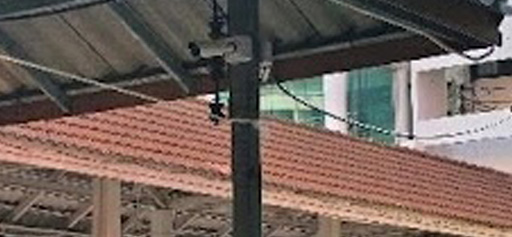
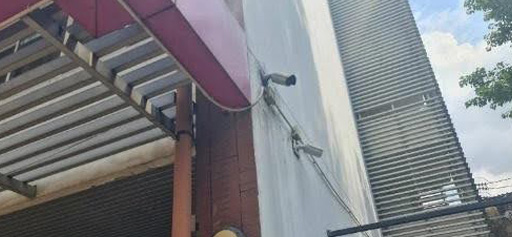
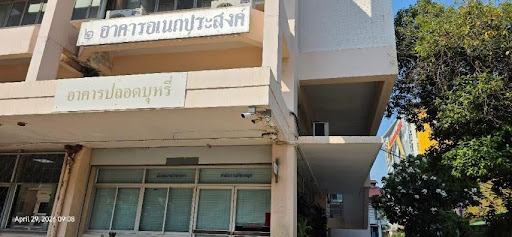
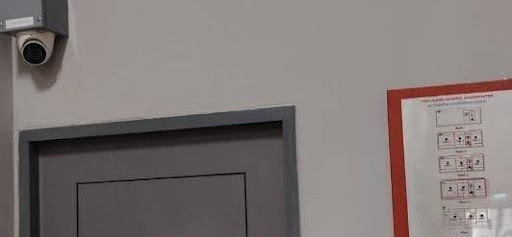
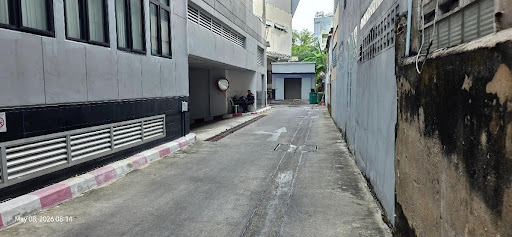
CCTV security inside and outside the university building
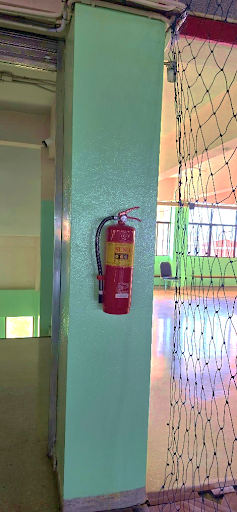
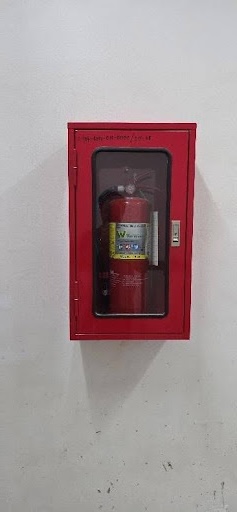
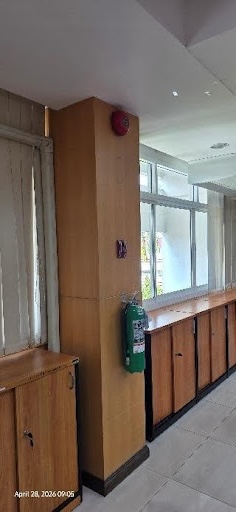
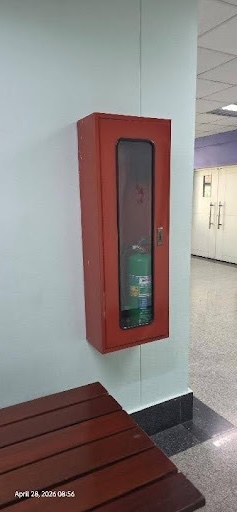
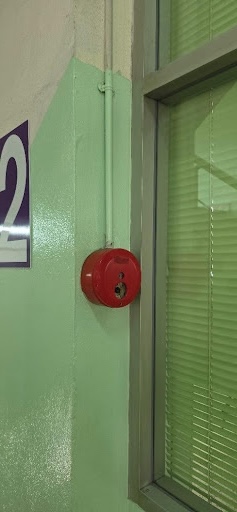
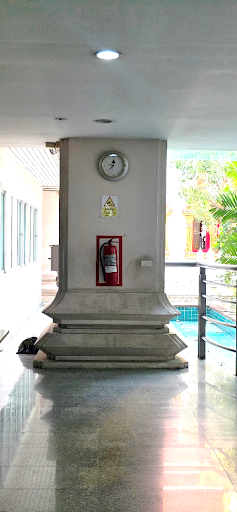
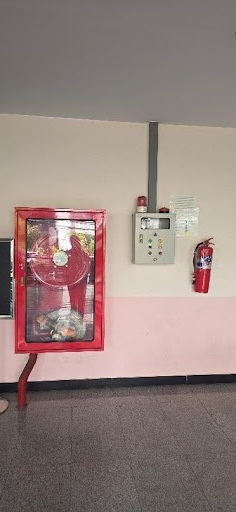
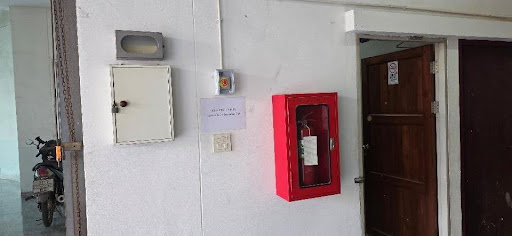
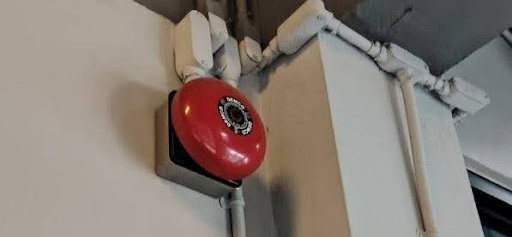
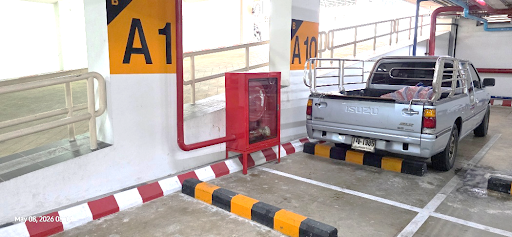
Fire equipment cabinets and fire alarm system
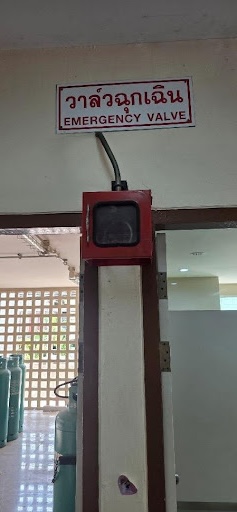
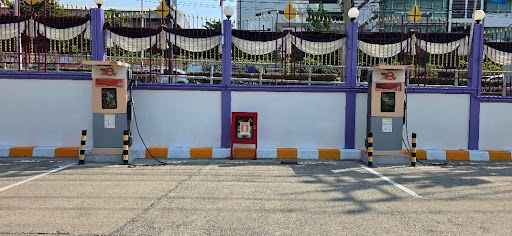
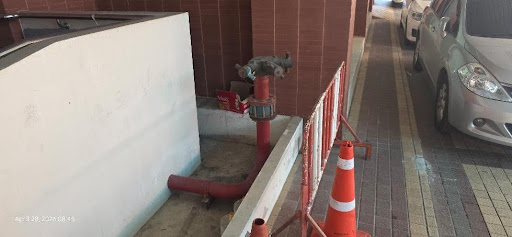
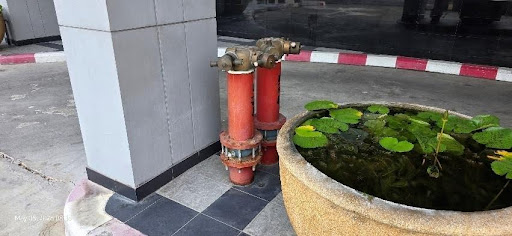
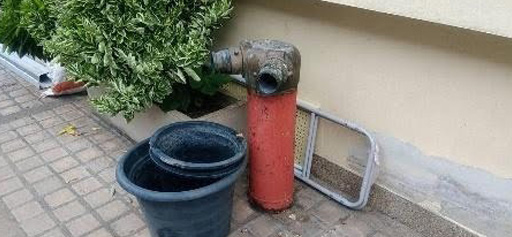
Hydrant
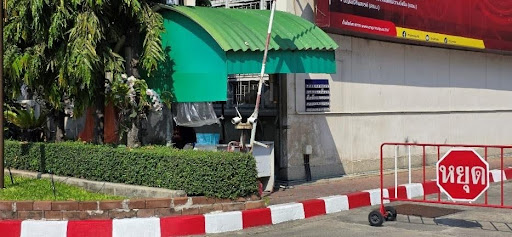
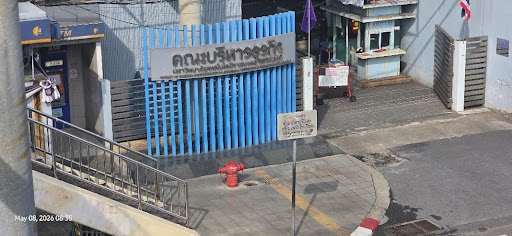
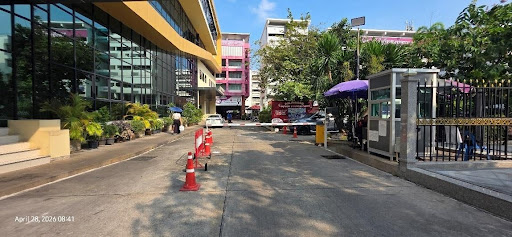
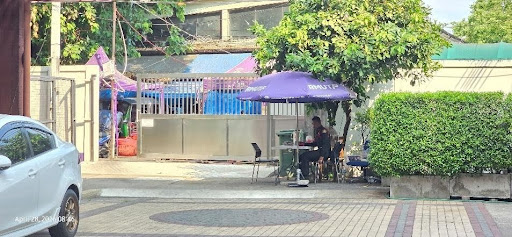
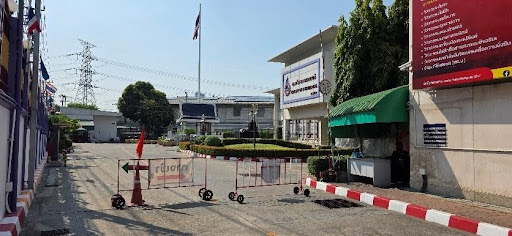
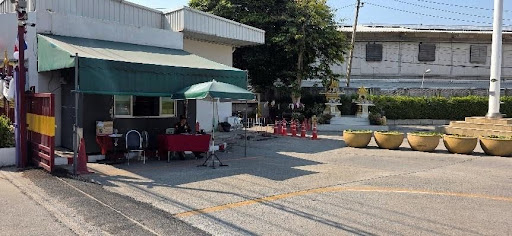
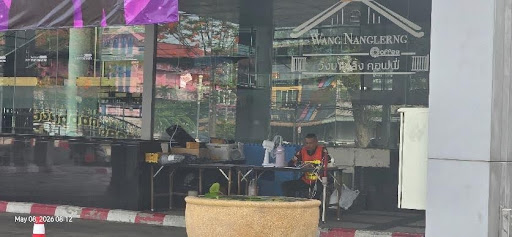
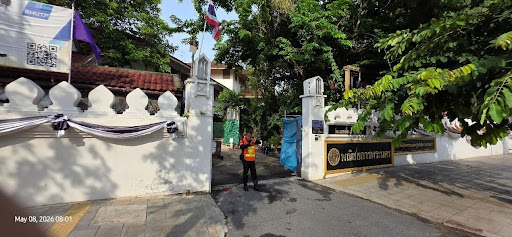
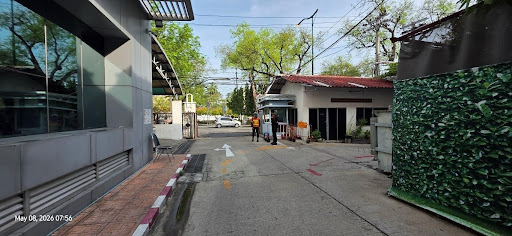
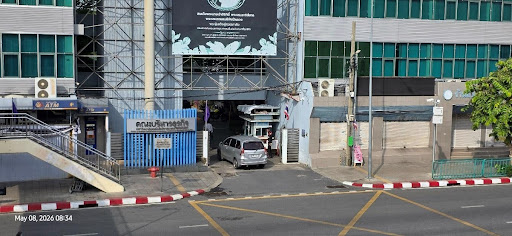
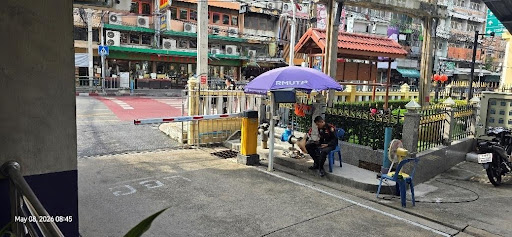
Security guard and security gate
To support campus safety, the university has implemented a comprehensive system of security measures, emergency response procedures, and preventive safety infrastructure across its campuses.
The key safety and security facilities include:
CCTV Surveillance: CCTV systems are installed both inside and outside university buildings to monitor campus activities, enhance safety, deter unlawful behavior, and support incident investigation. Centralized control rooms are operated continuously to ensure effective monitoring and timely response.
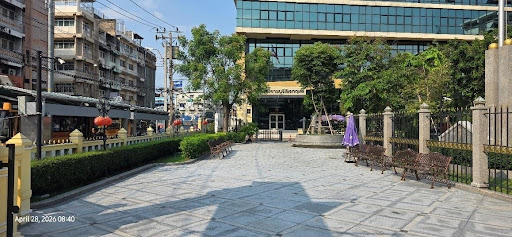
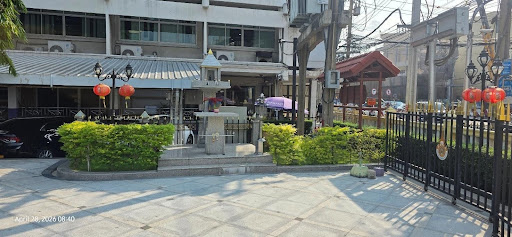
Security Personnel and Controlled Access: Trained security personnel are stationed at main entrances and key areas across the campuses. Their responsibilities include access control, vehicle inspection, visitor assistance, emergency coordination, and incident response. Campus gates are monitored to maintain controlled and secure access.
Fire Safety Equipment and Alarm Systems: University buildings are equipped with fire extinguishers, fire alarm systems, and fire safety cabinets in accordance with relevant safety requirements and Thailand’s building control regulations. Newer buildings are also equipped with enhanced fire protection systems, including automatic fire suppression systems where applicable.
Fire Hydrants: Fire hydrants are strategically installed across campus areas to support rapid firefighting operations in the event of a fire emergency.
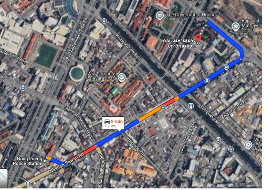
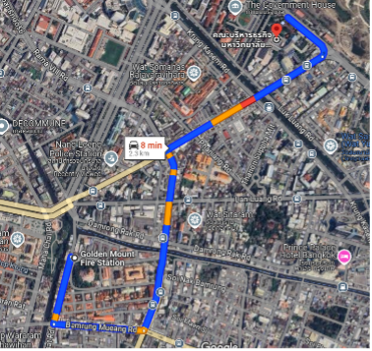
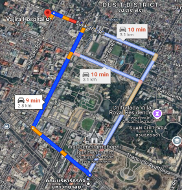
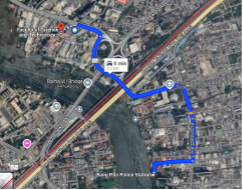
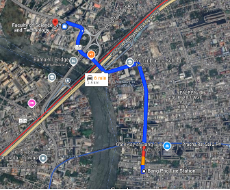
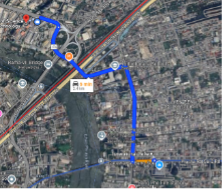
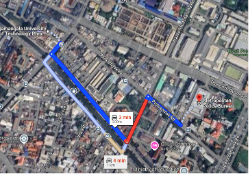
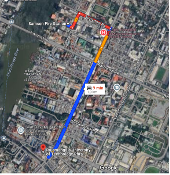
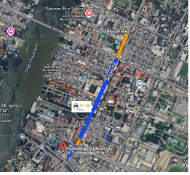
In terms of emergency response capability, RMUTP benefits from the strategic locations of its campuses in central Bangkok. Essential emergency services, including police stations, fire stations, and hospitals, are located within a short travel distance from the campuses. As a result, external emergency assistance can generally be accessed within approximately 4–9 minutes, enabling prompt response to accidents, fire incidents, medical emergencies, natural disasters, and other urgent situations.